
 EN
EN



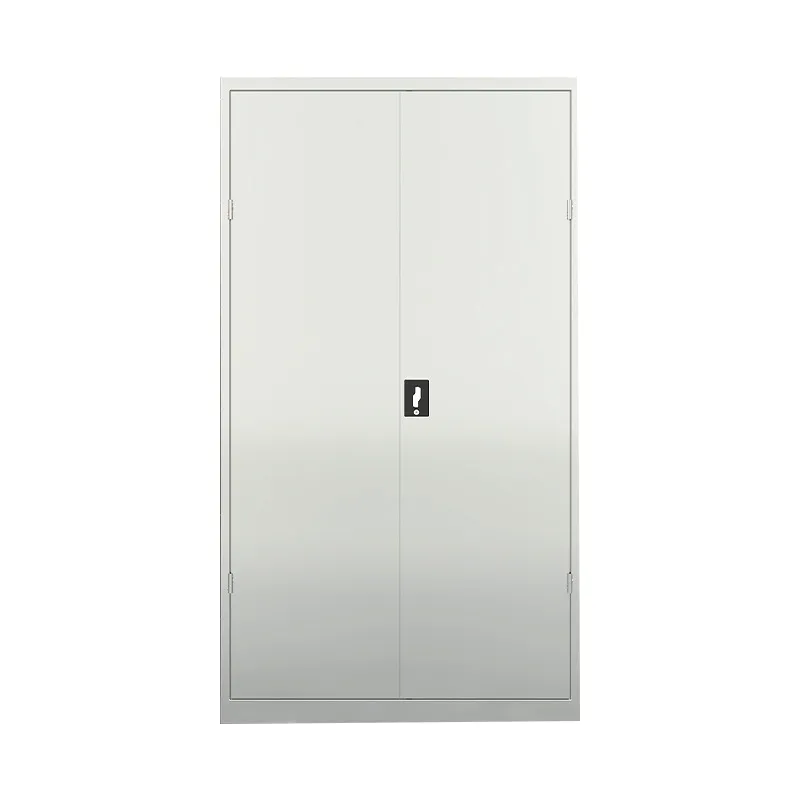
Engineering Core and Material Science Fundamentals
Investing in laboratory casework is rarely just about filling an empty room with storage boxes. Over years of collaborating with research facilities across global markets, observing how workspaces function under heavy operational loads proves that treating furniture as a mere afterthought is a costly mistake. Standard commercial grade laminate or low-tier steel often swells, rusts, or degrades within months of aggressive chemical exposure. Selecting laboratory cabinets that genuinely align with international benchmarks requires looking past surface-level appearances and diving straight into metallurgical composition, resin density, and strict engineering tolerances. Establishing this structural foundation from day one safeguards sensitive research materials and protects your long-term capital budget.
Evaluating Material Durability and Chemical Resistance
The core performance of any laboratory storage unit heavily relies on the raw materials chosen during the manufacturing stage. Modern research environments deal routinely with concentrated acids, organic solvents, and constant thermal sterilization cycles that would destroy ordinary office furniture overnight. Premium configurations typically feature heavy-gauge cold-rolled steel treated with specialized epoxy powder coatings, or solid phenolic resin panels that offer complete imperviousness to moisture and corrosive agents. When evaluating different fabrication methods, facility directors should inspect weld uniformity, hardware load capacities, and chemical drip-tray integration. A truly professional-grade cabinet maintains its structural integrity and surface finish after years of intense daily use.
Adhering to Safety Compliance and Regulatory Standards
Regulatory compliance and safety engineering represent the absolute bedrock of trustworthy laboratory infrastructure. Recognized international guidelines and fire safety codes are not arbitrary bureaucratic hurdles; they are rigorous frameworks designed to prevent hazardous leaks, chemical reactions, or structural collapses. During independent facility audits, inspectors evaluate self-closing mechanism reliability, spark-resistant hardware, and proper ventilation compatibility for chemical storage. Sourcing from manufacturing partners who rigorously test their units against established global criteria guarantees that your facility will clear safety inspections seamlessly. Complete transparency in material testing data remains a vital indicator of manufacturing reliability.
Optimizing Space Utilization and Modular Flexibility
Every research laboratory presents unique spatial constraints and workflow demands, making modular flexibility an essential feature in contemporary casework design. Fixed floor plans frequently become restrictive as research teams expand or equipment requirements shift over time. Modular under-bench cabinets, mobile storage carts, and flexible tower configurations allow facility managers to adapt layouts effortlessly without disrupting utility lines. Ensuring smooth countertop transitions, adjustable shelving heights, and accessible hardware drastically minimizes ergonomic strain for technicians. Well-planned spatial integration naturally fosters better organization and keeps research teams focused entirely on their scientific objectives.
Balancing Capital Investment and Long-Term Value
Balancing initial procurement budgets with long-term asset value is often the most challenging hurdle for laboratory managers. Falling into the trap of purchasing inexpensive alternatives that appear identical in product catalogs frequently leads to premature structural failures and unexpected replacement expenses. Evaluating the total cost of ownership involves looking past upfront price tags to consider structural lifespan, maintenance requirements, and overall material resilience. Wavehigh approaches this balance by utilizing integrated global supply chain resources and strict quality control protocols, ensuring international clients receive dependable, precision-engineered storage infrastructure built for enduring performance.
