
 EN
EN



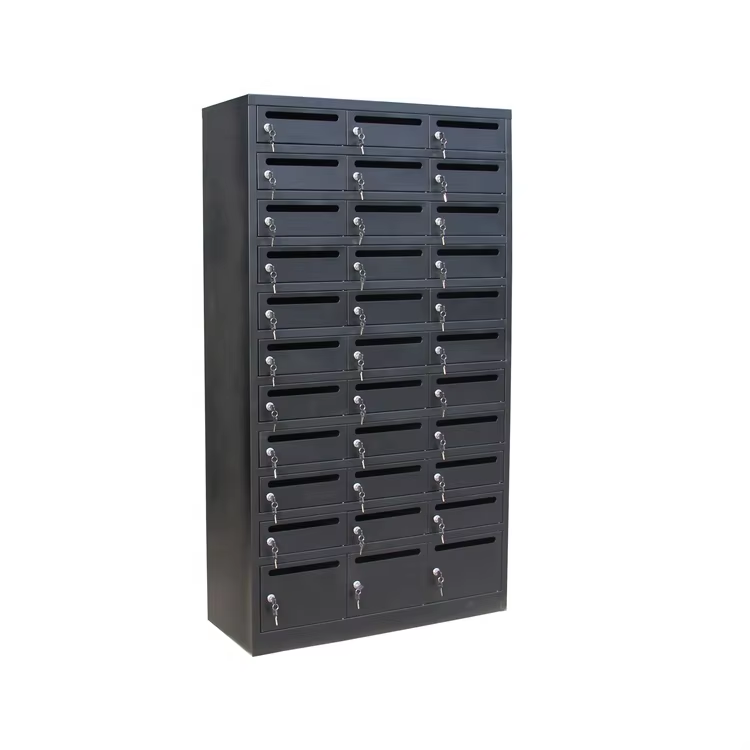
How to Maintain Metal Locker Units for Long-Term Structural Integrity
In high-intensity environments—from sprawling complexes and professional office buildings to demanding industrial job sites—the metal locker stands as a sophisticated, essential storage solution engineered for relentless, daily use. While these units are built with high-grade materials capable of absorbing significant physical stress, their functional lifespan is ultimately a direct product of consistent, science-backed maintenance. Neglecting simple, proactive care routines can inevitably lead to premature aesthetic degradation, mechanism friction, and localized structural failure, which forces a premature and expensive cycle of replacement. By adopting a systematic, engineering-led approach to surface cleaning and routine component inspection, facility managers and end-users can ensure that their storage infrastructure remains highly functional, hygienic, and visually consistent for decades, thereby maximizing the inherent value of the initial hardware investment.
The Physics of Surface Preservation
The most fundamental aspect of proper storage hardware maintenance is adhering to a consistent, non-abrasive cleaning schedule. Dust, organic grime, and localized moisture are the primary environmental culprits that contribute to the long-term degradation of finished metal surfaces. For standard high-performance units, a simple wipe-down with a soft, clean cloth followed by an immediate drying process is usually sufficient to remove superficial debris without introducing humidity. It is critical to strictly avoid harsh chemical agents, chlorine-based cleaners, or aggressive scouring pads, as these substances can strip away the protective powder-coated finish that serves as the primary barrier against atmospheric oxidation. In high-humidity zones, applying a high-quality, professional-grade wax sealant on an annual basis provides an additional, sacrificial layer that protects the finish against moisture, keeping the unit looking vibrant and resistant to environmental fatigue for many years.
Mechanical Precision and Lubrication
The internal functionality of any metal locker relies heavily on the mechanical performance of its core moving parts, specifically the hinges, latches, and integrated locking systems. Over time, these components can accumulate airborne dust and undergo constant metal-on-metal friction, which eventually leads to stiff operation, unpleasant creaking, or complete mechanical seizure. A truly proactive maintenance plan mandates the periodic application of a dry, silicone-based lubricant to these critical contact points. Unlike heavy industrial oils or greasy lubricants—which unfortunately tend to attract and hold fine dust particles, eventually turning into a grinding paste—dry lubricants ensure smooth, quiet operation without leaving behind sticky residues. Regularly checking the door alignment and the tension of the hinges ensures that the door does not sag or place undue, uneven stress on the main frame, which keeps the closing mechanism effortless and secure.
Structural Fatigue and Load Stability
Beyond the superficial cleaning of the surface, routine structural inspections are vital for identifying potential issues before they escalate into systemic, irreparable failures. Facility managers should periodically examine the main frame, internal shelving, and critical mounting points for early signs of metal fatigue, stress fractures, or loosened mechanical fasteners. In heavily utilized settings, bolts, rivets, and screws can loosen over time due to constant vibration and the kinetic impact of daily use. Ensuring that all hardware remains tight and properly torqued is a simple yet highly effective way to maintain the overall structural rigidity of the unit. If the unit is floor-mounted or securely anchored to a wall, verifying the stability of these anchor points acts as a key safety measure, ensuring that the assembly remains upright, secure, and fully rigid, thereby preventing accidents and minimizing the risk of cumulative damage to the main body of the unit.
Managing Environmental Impact and Internal Humidity
Lockers installed in shared, high-traffic environments often face the challenge of ambient moisture, particularly when users store gear or personal items for extended periods. If moisture is trapped inside a sealed unit, it can rapidly lead to internal corrosion and the development of unpleasant odors. Effective maintenance involves ensuring that the integrated ventilation system—typically designed in the form of strategic louvers or perforated patterns—remains clear of any obstructions. Encouraging users to avoid placing items directly against the back or side walls can also significantly mitigate the internal corrosion risk. In spaces where humidity is exceptionally high or ventilation is limited, the use of desiccants or specialized moisture-absorbing packs inside the unit provides an additional layer of protection, keeping the internal atmosphere sufficiently dry and preserving the structural condition of the interior shelves and the base of the unit.
Engineering Excellence and Supply Quality with FTS Furniture
While proactive individual care routines are essential, the inherent functional lifespan of storage furniture is fundamentally determined by the precision of its original manufacture and the high-grade quality of the materials employed. FTS Furniture focuses intensely on the structural integrity, the density of the powder-coating application, and the mechanical durability of the hinge systems, ensuring that each unit is engineered to withstand the harsh realities of constant, high-intensity use. Their commitment to precise, factory-grade assembly and the use of resilient, cold-rolled steel creates a technical foundation that makes long-term performance a standard expectation rather than a variable outcome. By choosing storage hardware built with such extreme attention to manufacturing detail and material consistency, facility managers secure a dependable resource for high-performance furniture, ensuring that every initial investment translates into years of stable, functional, and efficient storage capability for their organization.
