
 EN
EN



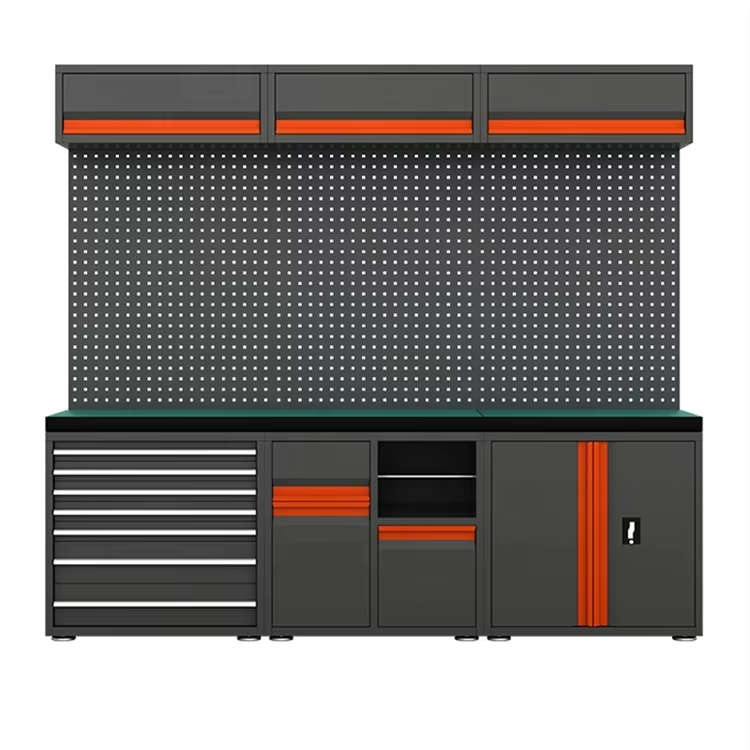
Choose the Right Filing Cabinet Type and Layout for Your Workflow
Vertical vs. Lateral Filing Cabinets: Space, Accessibility, and Ergonomic Impact
Selecting the correct filing cabinet type begins with understanding the trade-offs between vertical and lateral designs. Vertical cabinets are tall and narrow, typically housing two to five drawers that store letter- or legal-size files front-to-back. They occupy minimal floor space—ideal for compact home offices or personal workstations—but their deep drawers (up to 28 inches) require significant clearance when opened. Reaching into the back of a fully extended drawer can strain shoulders and lower back over time, especially during repetitive use.
Lateral cabinets, by contrast, are wider and shallower, with drawers extending only 18–20 inches. They support side-to-side or front-to-back filing and often accommodate both letter and legal sizes without reorientation. Their low-profile extension prevents walkway obstruction in tight corridors, and their broader footprint allows them to double as a standing-height work surface—reducing bending and improving posture. In team environments, lateral units enable simultaneous access by multiple users and offer greater stability when multiple drawers are open, lowering tipping risk in high-traffic areas.
| Feature | Vertical Filing Cabinet | Lateral Filing Cabinet |
|---|---|---|
| Floor Space | Occupies less wall width; good for tight corners. | Requires more width; often placed against a long wall. |
| Drawer Depth | Deep drawers (up to 28 inches) that need full clearance. | Shallow drawers (typically 18–20 inches) that extend less. |
| File Orientation | Files stored front-to-back. | Files stored side-to-side or front-to-back. |
| Accessibility | Files at the back of drawers are harder to reach. | All files are visible at a glance; easier retrieval. |
| Ergonomic Impact | Reaching deep can cause repetitive strain. | Shallower reach reduces strain; top can serve as work surface. |
Drawer Configuration and Label Placement Best Practices for Quick Visual Scanning
Once the cabinet type is chosen, internal layout and labeling directly determine retrieval speed. In vertical cabinets, arrange hanging folders front-to-back with forward-facing tabs aligned at the drawer’s front edge. For lateral cabinets, use side-to-side placement with color-coded tabs to maximize visual scanning efficiency. Labels should always appear at the top edge of each folder or file jacket—never on spines or bottoms—using a consistent format that includes subject, date range, and category code (e.g., HR-2024-Q3-Leave). A uniform label holder system—such as adhesive pockets or insertable tab sleeves—ensures every file remains instantly identifiable. When paired with a simple color-coding scheme (e.g., blue for finance, red for legal), this discipline cuts average search time by up to 40%, according to office productivity research cited by the National Records Management Association.
Implement a Consistent Physical Filing System Inside Your Filing Cabinet
A uniform physical filing system transforms chaotic drawers into a predictable, high-speed document repository. The choice of internal components—hanging folders, manilla tabs, and file jackets—directly affects both record longevity and retrieval speed.
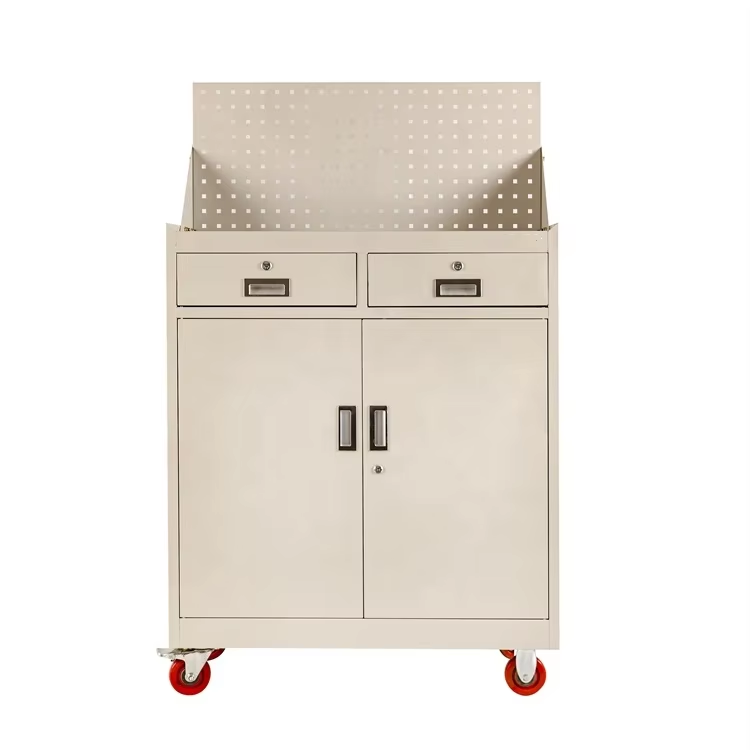
Hanging Folders, Manilla Tabs, and File Jackets: Durability and Retrieval Efficiency Comparison
The table below compares the three core accessories across durability and retrieval performance.
| Feature | Hanging Folders | Manilla Tabs | File Jackets |
|---|---|---|---|
| Durability | Metal-reinforced edges; withstand 10,000+ insertion cycles | Standard paper stock; prone to tearing after ~5,000 cycles | Heavy-duty plastic/poly; resists water, tearing, and frequent handling |
| Retrieval Speed | Smooth glide on rails; quick visual access when tabs are used | Instant identification with color-coded or labeled tabs; fastest for bulk scanning | Slower to open but protects documents during frequent retrievals |
| Best Use Case | High-volume, active files that need frequent access | Rapid sorting and short-term reference; ideal for chronological or alphabetical systems | Sensitive, long-term records or documents that must survive repeated handling (e.g., contracts, certificates) |
For optimal balance, pair hanging folders for primary categories (e.g., Client A, Finance), manilla tabs for subdivisions (Invoices, Expenses, Reconciliations), and file jackets for permanent, high-value documents. This layered approach aligns with professional records management standards and supports both daily efficiency and archival integrity.
Apply Smart Document Categorization and Labeling for Faster Retrieval
A well-organized filing cabinet delivers speed only when every document has a logical, consistently applied home. Pairing a purpose-built categorization strategy with standardized labeling turns static storage into an active retrieval tool.
Subject-Based, Chronological, and Importance–Urgency Sorting: Matching Strategy to Use Case
Subject-based sorting groups documents by project, client, or functional area—and works best when daily tasks revolve around distinct, ongoing initiatives. Chronological sequencing (by month or year) suits date-driven records like invoices, tax filings, or compliance logs, keeping the most recent materials at the front. For deadline-driven environments, an importance–urgency matrix separates time-sensitive action items from long-term reference archives—preventing critical files from being buried under volume.
Inside a single cabinet, these strategies can be layered: a top drawer may hold current-project folders sorted by subject, while a bottom drawer contains chronological archives. The key is to match the dominant retrieval question—“What project is this?” versus “What happened last quarter?”—to the drawer’s physical location and organizational logic.
Standardized Labeling and Color-Coding for Filing Cabinets: Reducing Search Time by Up to 40%
Even the strongest sorting logic fails without a labeling system the eye can scan instantly. Use uniform label templates, large-print sans-serif fonts, and a dedicated label maker (e.g., Brother or Dymo) to ensure consistency and legibility. Assign a distinct, intuitive color to each major category—blue for finance, red for legal, green for personnel—and apply it across hanging folder tabs, manilla folder edges, and drawer-front labels. Because the brain processes color and pattern faster than text alone, this method reduces average search time by up to 40%, transforming your filing cabinet into a visual index that delivers the right folder at a glance.
FAQs
What are the key differences between vertical and lateral filing cabinets?
Vertical filing cabinets are tall and narrow with deep drawers, ideal for compact spaces, while lateral filing cabinets are wider and shallower, offering easier access and additional functionality like doubling as a work surface.
How can I improve file retrieval speed?
Use color-coded tabs, uniform labels with clear format, and purpose-driven categorization strategies like subject-based or chronological sorting. Combining labeling with color coding can reduce search time by up to 40%.
What is the best filing accessory for sensitive documents?
File jackets made from heavy-duty plastic or poly are ideal for sensitive, long-term records as they resist water, tearing, and frequent handling.
