×
×
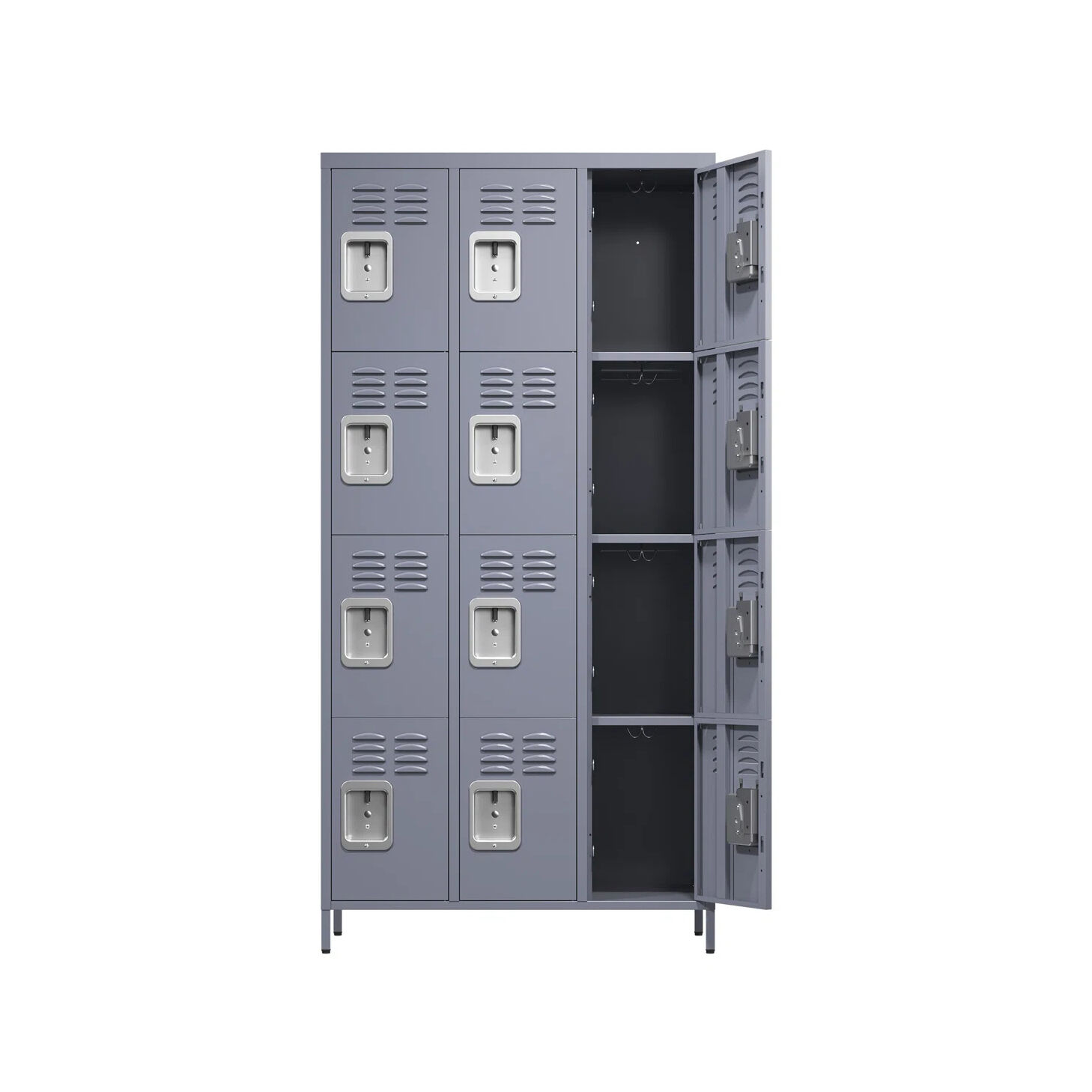
Firearm safety regulations are getting tighter throughout both Europe and America, making it mandatory for gun owners to store their weapons properly. Take Germany for instance - their new Secure Arms Act from 2023 actually needs parents with kids at home to install biometric locks on their firearms. Meanwhile over in California, there's this law called AB 1596 that forces retail shops in cities to keep guns in reinforced steel cabinets. All these rules have really changed things in the market place. According to Ponemon research from last year, the whole industry has shifted about $740 million worth of business towards smart lock systems. Retailers are catching on too, with roughly a third of their simple lock offerings being swapped out for digital versions that meet these new standards.
| Feature | Standard Steel | Commercial-Grade Steel |
|---|---|---|
| Tamper Resistance | 18 hrs | 72+ hrs |
| Fire Protection | 30 mins @ 1,200°F | 90+ mins @ 1,200°F |
| Smart Component Longevity | 5-7 yrs | 12-15 yrs |
Integrating commercial steel shelf construction ensures smart components withstand forced entry and environmental stress. Industrial steel framing provides 2.3x greater load capacity than residential-grade alternatives, essential for securely housing both firearms and integrated IoT hardware.
Modern gun cabinets now integrate advanced smart lock systems that meet stringent safety standards while addressing core user needs: rapid authorized access, remote management, and protection against digital threats.
Fingerprint and facial recognition tech has become pretty much standard for keeping guns secure these days. The latest numbers from the Firearm Safety Innovation Report show something impressive too – about 92 fewer people try to get into these storage units without permission compared to old school combo locks. Most major companies actually combine those biometric scanners with really tough steel shelves that cant be messed with easily. This means both the electronic part and the actual hardware protection are working together to keep everything safe.
These smart storage solutions connect seamlessly to both iOS and Android devices, plus work great with voice assistants such as Alexa and Google Home. According to recent research from the Smart Home Security Report released last year, roughly two thirds of people who own firearms are gravitating toward these app controlled systems because they get detailed records of who accessed what when, plus those helpful notifications when batteries start running low. Most hardware stores stock units constructed from heavy duty steel frames that not only stand up better against attempts at forced entry but also maintain stable connections over time despite all the metal around them.
To mitigate hacking risks, manufacturers use military-grade encryption and mandatory firmware updates. Modern systems include offline backup keys stored in fireproof compartments and time-delay features that deter brute-force attacks. Third-party penetration tests show properly configured systems resist 99.6% of common cybersecurity threats.
The structural backbone of quality rifle cabinets usually consists of industrial grade steel, around 14 gauge or heavier stuff. According to some research from last year's Ballistic Resistance Study, this kind of construction cuts down on unauthorized access attempts by roughly 80 something percent. When it comes to actual strength numbers, we're talking about steel that can handle over 50 thousand pounds per square inch before yielding. This makes a big difference when someone tries to force open the cabinet with various tools. For those storing multiple rifles, reinforced shelves made from commercial grade steel really matter. They hold up against weights well beyond 300 pounds, which solves a problem area where cheaper models tend to fail. About a third of budget cabinets actually break down under similar conditions as noted in the Safe Storage Report from earlier this year.
Most retailers go for cabinets rated to withstand fires up to around 1,300 degrees Fahrenheit for at least an hour, plus those MIL-STD corrosion resistant coatings. According to the latest Retail Security Report from 2023, these features cut down insurance claims by roughly 41%. When it comes to security, cabinets built with welded 12 gauge steel frames and those tricky to tamper with hinges have shown real results. Independent testing found stores using these models saw about 70% fewer break-in attempts. That makes all the difference in cities where shoplifting tends to be a bigger problem. And let's not forget the anchoring systems designed specifically for concrete floors which stop would-be thieves from simply dragging away the whole unit.
These days manufacturers are putting biometric panels alongside IoT sensors right into those reinforced steel frames and still keeping everything strong enough. According to some research from last year, around two thirds of people buying these cabinets want them to have Grade 304 stainless steel shelves plus encrypted access logs. They worry too much about what happens if smart systems get physically damaged somehow. The commercial versions of steel shelves usually have dividers about 1.5mm thick which works great for supporting AR-15 platforms and charging stations at the same time. And they manage to keep door gaps below 2mm which is actually needed for proper security certifications in most cases.
When someone tries to get into a smart lock rifle cabinet without permission, these modern storage solutions send immediate alerts right to smartphones. According to recent industry reports from Ponemon in 2023, stores that installed cabinets with real time breach detection saw their security problems fall by almost 40%. The technology works by spotting strange behavior patterns like multiple failed fingerprint attempts or unexpected cabinet movements. Once something looks off, the system sends warning messages not just to gun owners but also to local law enforcement contacts who need to know about potential break ins.
Granular access controls allow tiered permissions via mobile apps—a feature requested by 72% of U.S. households with multiple gun users. Temporary codes can be issued to law enforcement during emergencies, while audit trails record every interaction.
| Feature | Residential Use | Commercial Use |
|---|---|---|
| User Permissions | Family member tiers | Employee/auditor roles |
| Log Retention | 90-day cloud storage | 2+ years (compliant storage) |
Manufacturers protect data using AES-256 encryption and zero-trust architectures. Biometric templates are stored locally—not in the cloud—minimizing exposure to third-party breaches. Crucially, the commercial steel shelf foundation prevents physical tampering that could compromise digital components, creating a dual-layer defense aligned with FBI cybersecurity guidelines for IoT devices.
Firearm safety rules differ from region to region, and these differences directly affect where people buy their products. Take the American market for instance, which is expected to grab around a quarter of all worldwide smart gun cabinet sales. But things are changing fast there too, with many states now pushing laws that require detailed records of who accesses firearms through biometric scans. Across the Atlantic, European countries such as Germany have taken a different approach altogether. They've implemented uniform standards across borders via something called the Firearms Directive 2021/555. Instead of focusing on biometric technology, they're prioritizing internet-connected devices that can detect when someone tries to tamper with locked storage units. For store owners trying to keep shelves stocked properly, staying on top of these tech specifications isn't optional anymore. Failure to comply could mean facing hefty fines ranging between 12 and 18 percent of product value, according to recent enforcement actions seen throughout 2024.
Urban buyers favor cloud-connected systems, representing 58% of metropolitan purchases, due to space constraints and apartment living. In contrast, rural consumers prioritize rugged cabinets with commercial steel shelf durability and cellular-based remote monitoring—a capability absent in 73% of urban-focused models.
Forward-thinking distributors see 22% higher margins on smart-lock models compared to traditional cabinets, driven by lower warranty claims—commercial steel shelf construction reduces service issues by 41% (2024 trade data). Retailers in tax-incentive regions like Texas and Bavaria gain an additional 6–8% profit margin through green manufacturing credits tied to steel recycling programs.

LUOYANG FURNITOPPER provides premium steel furniture manufacturing for global B2B buyers. Our ISO 9001/14001/45001-certified factory offers KD lockers, tool cabinets, shelving & dorm furniture with CNC precision, 5S quality control, and one-stop OEM/ODM solutions. Contact us today!
No.8 Yanguang Road, High-Tech District, Luoyang 471000, Henan, China.
Copyright © 2025 by LUOYANG FURNITOPPER IMPORT AND EXPORT TRADING CO., LTD. Privacy Policy

 EN
EN


 Hot News