×
×
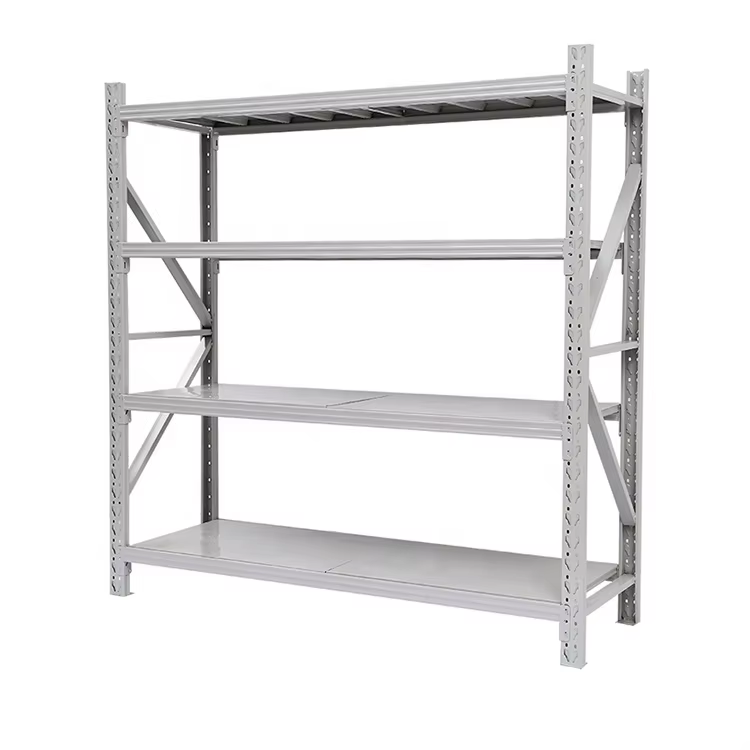
The load bearing capacity basically tells us what's the heaviest weight a storage rack can hold without failing. Most heavy duty systems will take anywhere from 2,000 up to over 10,000 pounds on each shelf level thanks to those thick steel frames that give them extra strength. Lighter duty options are built for much smaller loads ranging between 100 and 1,000 pounds per shelf, often made with thinner metal or even aluminum which keeps costs down but limits their strength. Safety regulations require these racks to have clear weight limit markings so workers know exactly what they're dealing with. Without proper labeling, warehouses risk serious accidents when people try to store too much weight on a rack that wasn't meant to handle it.
Heavy-duty racking is constructed from industrial-grade 14–16 gauge steel, often featuring double-walled uprights and robust crossbeams for structural integrity. In contrast, light-duty systems use 18–22 gauge steel or aluminum with single-beam designs. A 2023 Material Analysis Study found that heavy-duty racks withstand 400% more seismic force than light-duty alternatives during warehouse stress tests.
| Feature | Heavy-Duty Racking | Light-Duty Racking |
|---|---|---|
| Beam Thickness | 7-14 gauge steel | 18-22 gauge steel/aluminum |
| Weight Capacity | 2,000-10,000+ lbs/shelf | 100-1,000 lbs/shelf |
| Anchor Requirements | Concrete floor mandated | Optional |
Exceeding load ratings contributes to 34% of racking-related OSHA violations (BLS 2023). Properly rated systems reduce beam deflection risks by 87% compared to undersized racks. Facilities using UL-certified racking report 62% fewer inventory damage incidents, highlighting the importance of matching storage needs with certified load capacities.
One warehouse in the Midwest had a serious problem when they put way too much weight on their regular racks. They were stacking around 1800 pounds worth of stuff on shelves only meant to hold 1200 pounds. Big mistake. The whole thing came crashing down in three levels and caused about $240k worth of damage to all the inventory stored there. After this mess, management decided to upgrade everything. They brought in heavy duty racks that could handle 3500 pounds per shelf instead. Plus they started doing monthly checks on how things were loaded throughout the facility. Staff got refresher training on where exactly to place different loads so nothing would tip over again. All these improvements kept them fully compliant with OSHA standards for well over a year after making the switch.
Modern warehouses increasingly adopt adjustable steel shelf systems that combine heavy-duty strength (5,000+ lb capacity) with vertical adjustability in 6-inch increments. According to 2024 logistics surveys, this flexibility reduces storage reconfiguration costs by 40% compared to fixed-position racking, making it ideal for dynamic inventory environments.
Warehouses rely on specialized steel racking to maximize vertical space and improve operational efficiency. The six primary types address distinct storage challenges, balancing accessibility, density, and safety.
Selective pallet racks dominate warehouse storage solutions because they let workers reach any pallet directly when needed. The typical aisle widths between 48 inches and 60 inches work well with regular forklifts that most warehouses already have. When storage space matters most, single deep arrangements make it easy to grab what's needed right away. Double deep options pack about 40% more stuff into the same area, though they're better suited for items that don't get picked as often. According to research from the Material Handling Institute last year, warehouses using selective racks saw around a quarter fewer picking mistakes than those relying on tighter high density storage arrangements. Makes sense really since workers can actually see what they're grabbing instead of fishing through stacked boxes.
LIFO systems work on the principle where the last item stored is the first taken out, and they get rid of those traditional aisles between racks. Forklifts can actually drive right into the rack structures along guide rails, which means warehouse operators can utilize around 75 to 85 percent of their available floor space. When it comes to drive-in racking, these are great for places like cold storage facilities or when storing large quantities of the same product. The drive-through version works differently though it allows trucks to load goods at one end and then pick them up from the opposite side. This setup helps with better air circulation throughout the warehouse and keeps inventory rotating properly instead of letting items sit too long.
Push-back racking stores 4–6 pallets deep on nested carts mounted on inclined rails. As new pallets are loaded, existing ones shift backward, maintaining direct access to each lane. This system provides 50% greater density than selective racks while preserving access to 85% of stored inventory at any time.
Pallet flow racks use gravity-fed rollers to move pallets along a slight incline, enforcing first-in-first-out (FIFO) inventory control. This is essential for perishable goods and time-sensitive materials. A 2024 Warehouse Automation Report shows facilities using flow racks achieve 22% faster inventory turnover due to streamlined replenishment.
Cantilever racks feature arms extending from vertical columns without front supports, creating an open-front design ideal for long or bulky items like lumber, piping, and furniture. Available in 96"–144" arm lengths, they reduce loading and unloading times by 40% compared to enclosed shelving for oversized products.
The process of picking suitable racking systems starts by looking at what kind of inventory needs to be stored. For warehouses dealing with items that come and go with seasons or have short shelf lives, adjustable steel shelves make sense because they can be rearranged quickly when different products need space. Places that stock large volumes consistently, think auto parts warehouses for example, tend to go for compact storage solutions instead. According to recent data from the Logistics Insight Report released in 2024, companies that match their rack setups to how fast things move through the warehouse saw around a third less time spent on restocking tasks. This makes a real difference in day to day operations costs.
Pallet flow systems work really well in cold storage environments because they keep things moving in a first-in-first-out manner, which helps preserve product quality throughout most of the warehouse area. Around 8 out of 10 facilities report better results with this setup. For manufacturers dealing with odd-shaped items, cantilever racks make all the difference. These specialized storage solutions can free up roughly a quarter more floor space compared to regular shelving units, something many plant managers appreciate when space gets tight. When it comes to cross-docking operations, selective rack systems tend to be the go-to choice. They allow workers to reach nearly all stock keeping units during their daily shifts, though some warehouses still struggle with accessibility issues depending on how everything is organized.
High-density drive-in racking offers 160% more pallet positions per square foot than selective racks but requires uniform load sizes and careful management due to limited accessibility. Push-back racking provides a balanced alternative, supporting 8–10 pallets per lane with 60% faster retrieval times than drive-through systems, making it suitable for medium-turnover environments.
Storage density versus operational speed continues to be one of those hot topics across the logistics sector. Some research from a warehouse operation in the Midwest found that when companies went for maximum storage capacity, their workers ended up spending nearly 19% more time picking orders. But there was a silver lining too - these same facilities managed to cut down monthly real estate expenses by around fourteen thousand dollars. Warehouses that mixed things up a bit, using both adjustable metal racks alongside special flow lanes for pallets, saw better results overall. Their throughput rates were actually about 12 percentage points higher compared to places stuck with just one kind of racking system throughout.
Modern warehouses need storage solutions that evolve with changing demands. Adjustable steel shelf systems offer modular design and industrial durability, providing long-term value beyond static racking options.
Adjustable steel shelving allows quick height modifications and layout changes without structural alterations. Facilities using these systems report 23% lower seasonal reconfiguration costs, according to material handling research. The ability to customize shelf spacing accommodates diverse loads—from small bins to full pallets—maximizing vertical space utilization.
Modular steel shelf systems enable rapid scaling of storage capacity, often within hours. Operations experiencing annual SKU fluctuations of up to 300% maintain 99.2% inventory accessibility during peak periods, based on logistics optimization studies. This responsiveness helps prevent stockouts and supports revenue continuity during demand surges.
Most warehouses integrate adjustable steel shelves seamlessly by aligning them with current aisle widths and material handling workflows. Vertical expansion kits can add 2–3 storage levels to existing structures, increasing capacity by 35–50% without altering the floor plan. This phased upgrade approach minimizes disruption while delivering immediate gains in storage efficiency.
Heavy-duty steel racking systems cost 40–60% more upfront than light-duty alternatives due to thicker steel, advanced engineering, and anchoring requirements. A 2023 Warehousing Infrastructure Report highlights the key cost drivers:
| Feature | Heavy-Duty Racking | Light-Duty Racking |
|---|---|---|
| Material Thickness | 12-16 gauge steel | 18-22 gauge steel |
| Load Capacity | 5,000-30,000 lbs/shelf | 800-3,000 lbs/shelf |
| Installation Costs | $18-$22 per sq. ft. | $9-$12 per sq. ft. |
Despite higher initial costs, heavy-duty racking delivers 2–3x longer service life, according to a Logistics Efficiency Study (2024). Key factors driving long-term ROI include:
One Midwest 3PL incurred $740k in OSHA penalties after light-duty racks collapsed under automotive parts loads. Common hidden costs include:
Facilities using under-capacity racking face 19% higher total ownership costs over a decade compared to properly specified systems, underscoring the financial impact of strategic racking selection.

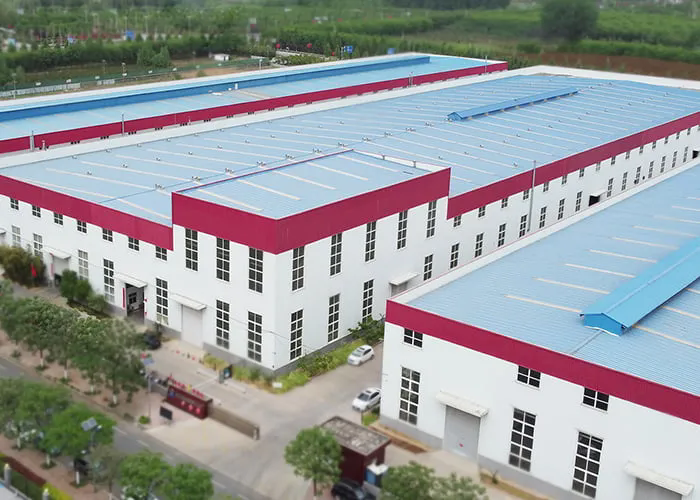
LUOYANG FURNITOPPER provides premium steel furniture manufacturing for global B2B buyers. Our ISO 9001/14001/45001-certified factory offers KD lockers, tool cabinets, shelving & dorm furniture with CNC precision, 5S quality control, and one-stop OEM/ODM solutions. Contact us today!
No.8 Yanguang Road, High-Tech District, Luoyang 471000, Henan, China.
Copyright © 2025 by LUOYANG FURNITOPPER IMPORT AND EXPORT TRADING CO., LTD. Privacy Policy

 EN
EN


 Hot News