
 EN
EN



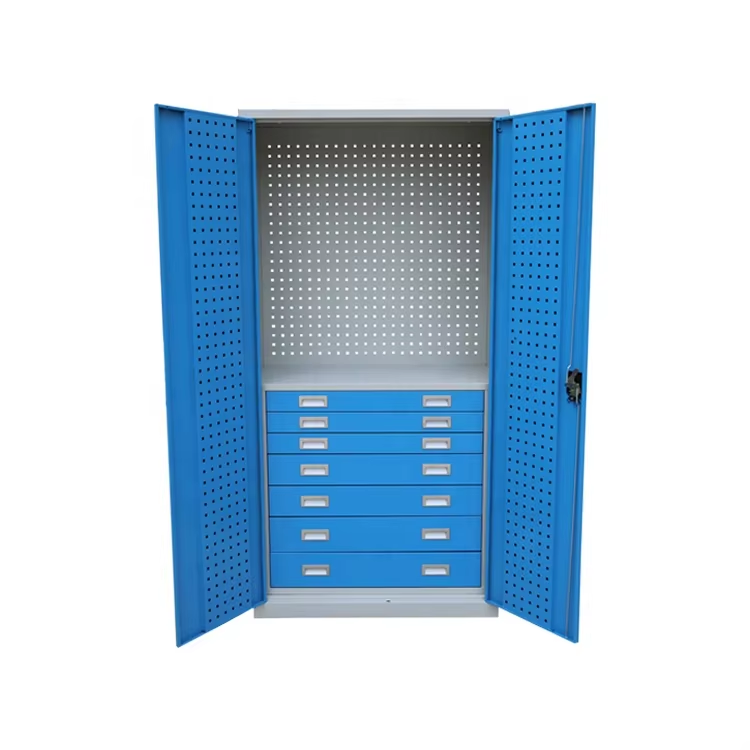
Match Chemical Cabinet Type to Hazard Class
Flammable Liquid Cabinets: NFPA 30 and ULC/ORD-C1275 Compliance Essentials
Flammable liquid storage cabinets need to meet specific safety standards such as NFPA 30 and ULC/ORD-C1275. These cabinets are built with double walls made from 18 gauge steel and include an air gap insulation layer that's about an inch and a half thick. The whole point is to keep things cool inside even when exposed to fire for around ten minutes according to standard tests. This helps stop vapors from catching fire and can contain spills of up to almost 100 liters worth of liquid. Most models come with self closing doors that have three points where they latch shut tightly, which really improves containment. There are also special ventilation holes equipped with flame arrestors that let some air out but prevent flames from getting in. For certain chemicals like acetone or ethanol that generate static electricity, proper grounding becomes essential under OSHA regulation 29 CFR 1910.106 to reduce the chance of sparks causing fires. Looking at recent data from the 2023 NFPA report shows just how serious this issue is - nearly 4 out of every 10 industrial chemical fires happen because materials weren't stored properly.
Corrosive Chemical Cabinets: Acid-Base Segregation and Epoxy vs. Polyethylene Construction
Storing corrosives requires cabinets made from specific materials. Epoxy coated steel works well against inorganic acids like sulfuric and hydrochloric acid. But when dealing with hydrofluoric acid or strong oxidizers that eat through metal quickly, nothing beats polyethylene storage units. Never mix different types of acids together either. Take nitric acid mixed with acetic acid as just one example that creates dangerous explosive compounds during nitration reactions. Every corrosive storage cabinet needs built-in spill containment areas at least two inches deep. The polyethylene ones perform best in high concentration situations where metal cabinets have failed before causing about $740,000 worth of damage according to Ponemon Institute research from 2023. Practical safety means color coding labels clearly and setting up separate storage areas for incompatible substances right from the start.
Oxidizer, Gas Cylinder, and Light-Sensitive Substance Cabinets: EN 14470-1 vs. EN 16121 Design Requirements
Cabinets for storing oxidizers need to comply with standards like EN 14470-1. These cabinets typically have mineral wool insulation that won't catch fire, tightly sealed seams between panels, and special trays at the bottom to catch any spills. The goal is to keep dangerous peroxides and other reactive chemicals separated from organic substances which could cause unwanted reactions. For gas cylinders, the requirements under EN 16121 are different. These cabinets come equipped with chains to secure the cylinders in place, heavy duty bases that can withstand impacts, and vents mounted on top specifically designed for gases like hydrogen or ammonia. When dealing with light sensitive materials, storage cabinets feature tinted glass or plastic windows that block out UV rays along with completely dark compartments inside. Without proper protection from light exposure, many substances will degrade over time, losing their effectiveness or becoming hazardous. Choosing the right type of cabinet isn't just about following regulations it's about creating safe working conditions in laboratories and industrial settings where chemical compatibility matters most.
| Feature | Oxidizer Cabinets | Gas Cylinder Cabinets |
|---|---|---|
| Ventilation | Negative pressure | Top exhaust |
| Construction | Non-metallic shelves | Impact-resistant base |
| Safety | Spill-free sumps | Cylinder restraints |
EN 14470-1 mandates 90-minute fire resistance; EN 16121 prioritizes mechanical stability for pressurized gas containment.
Select Chemical Cabinet Materials Based on Chemical Compatibility
Stainless Steel, Epoxy-Coated Steel, and Polyethylene: When Each Material Prevents Degradation
Material selection directly impacts cabinet integrity and safety. Choosing chemically compatible construction prevents leaks, structural failure, and hazardous reactions:
- Stainless steel (316L grade) resists inorganic acids like sulfuric and nitric but is vulnerable to chloride-induced pitting—ideal for high-purity labs and pharmaceutical storage.
- Epoxy-coated steel balances corrosion resistance for mild solvents and alkalis with structural rigidity, though it fails under hydrofluoric acid exposure.
- Polyethylene (HDPE) withstands aggressive oxidizers (e.g., peroxides, halogens) and salt-laden environments but lacks inherent fire resistance.
Corrosion-related cabinet failures cost industrial facilities over $550k annually (NACE International, 2023). Structural longevity also depends on gauge thickness—18-gauge steel extends service life by 40% compared to 22-gauge when exposed to aggressive chemicals.
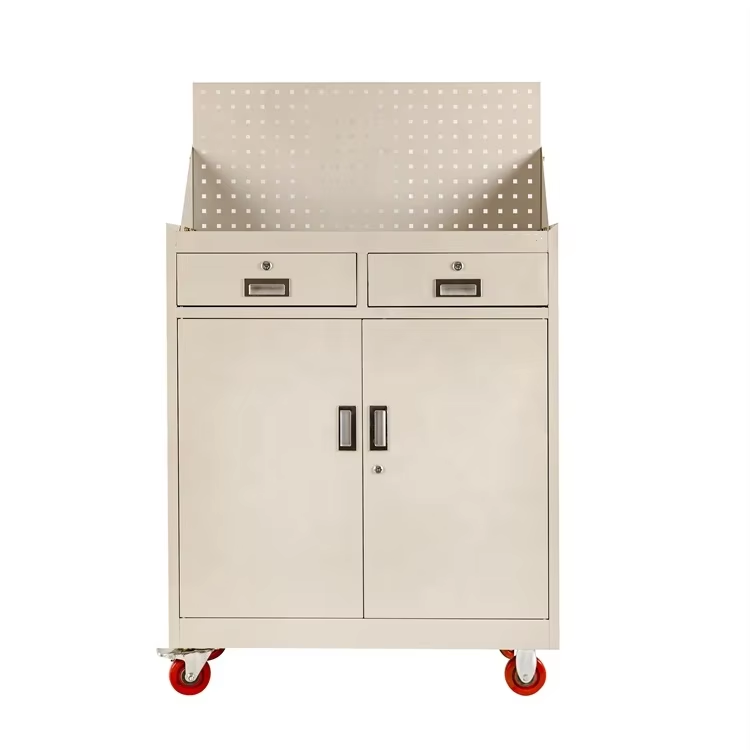
Secondary Containment, Fire-Rated Insulation, and Leak-Proof Sumps in Chemical Cabinet Design
Layered safety features significantly reduce incident severity and regulatory exposure:
- 110% secondary containment captures full cabinet volume plus spillage, with polyethylene sumps preventing floor corrosion and facilitating cleanup.
- Ceramic wool insulation (2-inch thick) sustains internal temperatures below 325°F during 10-minute fire tests—meeting NFPA 30’s performance benchmark for flammable liquid cabinets.
- Seam-welded construction eliminates potential leakage points found in riveted alternatives, ensuring long-term leak-proof integrity.
NFPA 30 explicitly mandates secondary containment for flammable liquid storage. Non-compliant designs increase spill response costs by 300%, per industrial safety audits. Fire-rated models also qualify for 12–18% insurance premium reductions.
Ensure Regulatory Compliance and Safe Incompatibility Management
Getting chemical cabinets right really depends on following those important regulations from OSHA 29 CFR 1910.106 and NFPA 30. These standards outline what makes a safe storage setup – things like doors that automatically close after opening, walls built with two layers plus 40mm of fireproof insulation between them, and bottom areas designed to catch leaks without letting anything escape. The compatibility rules matter just as much though. Putting oxidizing chemicals near flammable ones within ten feet distance actually raises the chance of explosions by around sixty percent according to recent studies from NFPA back in 2023. And when acids get too close to bases? That's asking for trouble since they tend to react violently and corrode everything nearby. Not sticking to these guidelines doesn't just mean fines that can top fifteen thousand dollars each time there's a problem; facilities that ignore safety protocols generally see way more accidents happening. To stay compliant and keep everyone safe, schedule regular checks every three months using updated compatibility guides. Combine this with thorough documentation of staff training sessions and always ensure labels are easy to read and follow standard formats throughout all storage areas.
