
 EN
EN



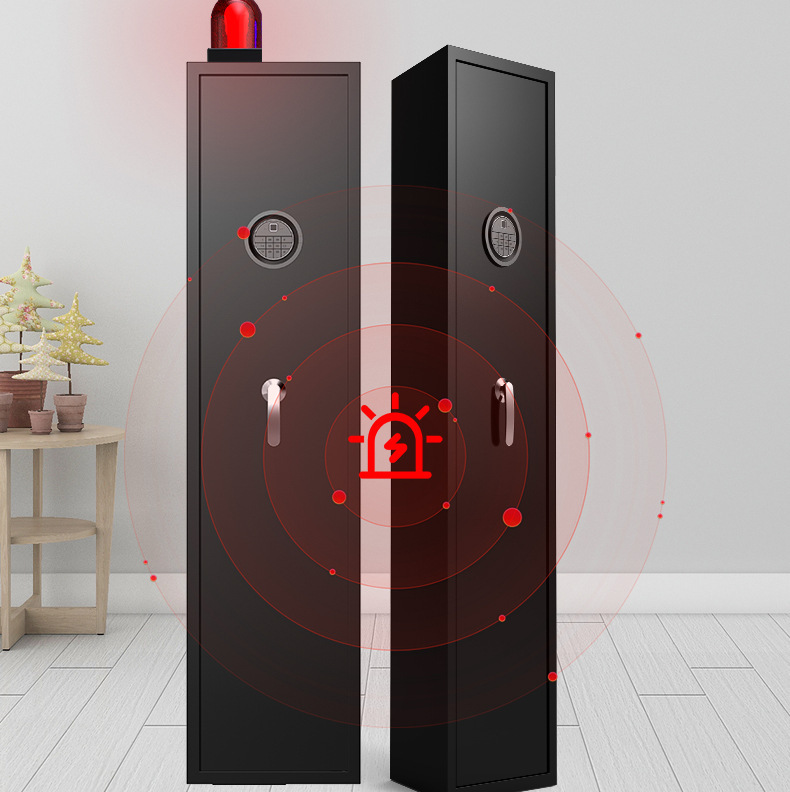
Physical Security: Tamper-Resistant Construction and Secure Locking
Vandalism-Proof Enclosures and Reinforced Steel Frames
Good parcel lockers need strong protection against people trying to force their way in. Most industry guidelines call for boxes made from 12 gauge reinforced steel, which tests show can handle around 1,200 foot pounds of impact before giving way (as reported in the Security Hardware Report last year). What makes them really secure? Look for things like seams that resist prying because they're continuously welded together, so there's nowhere to get leverage. The areas most likely to be hit with sledgehammers should have diamond plate reinforcement. And those special fasteners that break off when someone tries to tamper with them using tools. All these built-in safeguards make a big difference. Real world data from cities shows lockers with these features experience about 78% fewer break in attempts compared to older models.
Weather-Sealed Doors and Fail-Safe Locking Mechanisms
Environmental resilience directly impacts security integrity. High-performance parcel lockers integrate triple-sealed gaskets and stainless-steel hinges rated for 100,000+ cycles. The locking systems employ:
| Feature | Security Benefit | Performance Metric |
|---|---|---|
| Multi-point deadbolts | Distributes force across 3+ engagement points | 3,500 lb shear resistance |
| Corrosion-resistant alloys | Maintains function in -40°F to 140°F extremes | 20-year salt-spray certification |
| Mechanical override | Guarantees access during power failures | Zero recorded failures (NFPA 2023) |
This engineering prevents weather-induced failures while ensuring consistent operation under duress—critical for maintaining chain-of-custody protocols.
Access Control: Multi-Factor Authentication for Parcel Locker Users
Multi-Factor Authentication (MFA) significantly elevates security for parcel locker systems by requiring multiple verification steps before access is granted. This layered approach ensures that compromised credentials alone cannot unlock compartments, protecting against unauthorized retrieval.
PIN, RFID, and QR Code Integration for Seamless Access
The basic authentication process pairs PIN numbers with something the user has, such as an RFID card or a QR code generated on their phone. When someone logs in, they type in their secret number and show off whatever physical token or digital proof they've got handy. What makes this approach work so well is how it strikes a balance between keeping things secure and making operations run smoothly. The QR codes mean less touching around shared devices, which matters a lot these days. Meanwhile, those RFID badges can be scanned quickly at entry points something that office managers really appreciate when dealing with hundreds of employees coming and going throughout the day.
Biometric and Facial Recognition in Enterprise-Grade Parcel Lockers
High security locations often rely on biometric checks like fingerprints or face scans because these methods tie access directly to someone's actual body. The way these systems work is pretty clever too they compare real time scans against encrypted records kept right on site, so none of the actual biological information ever leaves the premises through any network connection. Big companies use this tech all the time when moving valuable goods around since trying to fake a fingerprint or face just doesn't work very well at all. According to some research from Fidelis Security in 2023, adding multiple forms of authentication can cut down security breaches by almost 100%. That makes sense why so many organizations now consider biometrics essential protection for anything worth guarding properly.
Collectively, these MFA methods transform parcel lockers from passive storage units into intelligent, audit-ready access points aligned with modern security standards.
Real-Time Monitoring and Environmental Threat Mitigation
Today's parcel lockers come equipped with all sorts of monitoring tech that keeps an eye on both the environment inside and any potential security issues as they happen. When temperatures start climbing past 25 degrees Celsius or 77 Fahrenheit, special sensors kick in to cool things down, protecting delicate stuff like medicines from getting damaged by heat. The humidity detectors are just as important too. They'll switch on dehumidifiers once moisture hits around 60% relative humidity, which matters a lot for keeping electronic goods safe from mold growth. If there's ever smoke or fire detected, alarms go off right away and suppression systems spring into action, cutting down fire damage by roughly 70% based on what safety experts have found. During bad weather events, water sensors pick up leaks and then seal off affected areas while moving packages elsewhere for protection. All these different systems send their data back to central control panels where operators can spot problems early and fix them before anything breaks down completely. And let's not forget about vibration sensors either. These guys help catch anyone trying to mess with the lockers by sensing abnormal forces applied to door surfaces. With all these layers working together, what used to be simple storage boxes now become smart defenses against various hazards, keeping packages intact even during extreme weather conditions and creating detailed records needed for regulatory compliance checks.
Data Integrity and Software Security Protocols
End-to-End Encryption, Role-Based Permissions, and Audit Logs
Parcel lockers today rely on end to end encryption (E2EE) to keep data safe whether it's moving around or stored somewhere. This means important stuff like login details stays hidden from anyone who shouldn't see it. With role based access control (RBAC), different people have different permissions. Delivery staff can access compartments but they cant mess with security settings. Admins get full control over how everything works though. The system also keeps tamper proof logs of every action taken. These records include when someone opens a compartment and their verification attempts, making them solid evidence for compliance checks later on. According to the Cybersecurity Benchmark Report from 2024, this multi layer protection cuts down breach chances by about two thirds compared to simpler systems. Companies run regular tests to find weaknesses and automatically update software to stay ahead of new threats such as those powered by artificial intelligence. All these measures work together in what's called a zero trust setup. Not only does this protect operations day to day, but it also helps organizations comply with regulations like GDPR and other industry standards they need to follow.
