
 EN
EN



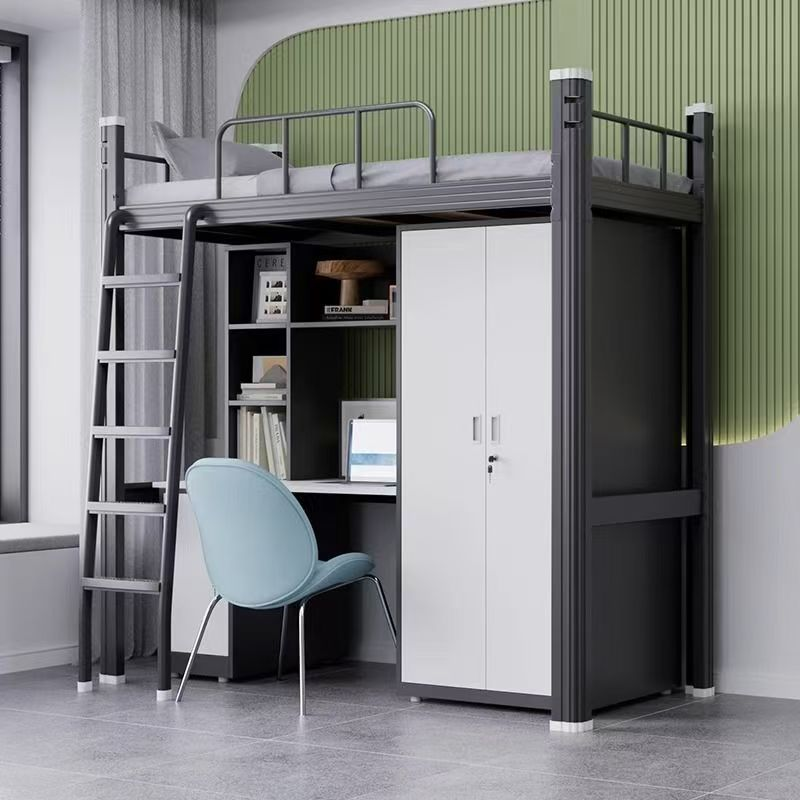
Non-Porous Surface Advantage: How Steel Beds Inhibit Microbial Growth
Steel’s Impermeable Surface vs. Wood’s Microscopic Pores: Implications for Bacterial and Viral Retention
Steel bed frames don't let microbes take hold because they have smooth surfaces that won't absorb anything, unlike wooden ones which actually trap germs inside tiny pores and hold onto moisture. Tests in labs found that after cleaning, wood still holds around four to six times more bacteria compared to steel surfaces. These leftover microbes create breeding grounds for stuff like staph infections and flu viruses. Steel doesn't soak up water at all, so nothing can grow on it really. Wood is different though since it naturally attracts and holds moisture, making it much friendlier territory for all sorts of unwanted microorganisms to multiply.
Disinfection Efficacy: Faster, Safer, and More Consistent Results with EPA-Approved Protocols on Steel Beds
Disinfectants approved by the EPA like sodium hypochlorite work much better on steel surfaces compared to other materials. The reason? Steel doesn't absorb chemicals because it's not porous, so disinfectants can spread evenly across the surface where they need to kill germs. This means we only need to let the cleaner sit for about 90 seconds to eliminate nearly all pathogens - which is roughly three times quicker than what happens on wooden surfaces. Another benefit is that steel doesn't leave behind residues, something that becomes really important in college dorm rooms where people might breathe in leftover chemicals. When researchers tested different materials, they found that steel stayed clean with less than 5 colony forming units per square centimeter even after being cleaned 100 times. Wood surfaces, however, started showing dangerous levels of bacteria after just around 20 cleaning sessions because the wood itself breaks down over time.
Allergen and Pathogen Resistance: Dust Mites, Mold, and Moisture in Dorm Settings
Dust Mite Habitat Reduction: Lab Evidence Showing 87% Less Colonization on Steel Beds (ASTM D7334-22)
Steel beds actually do a pretty good job at keeping dust mites away because they don't have those little hiding spots that wood does. Wood tends to trap all sorts of organic stuff where mites love to hang out. Steel doesn't have crevices or absorb moisture like wood grain does, so there's nowhere for these tiny pests to get their feet under them when it comes to eating our shed skin cells or making babies. Tests done according to ASTM standards show something interesting too. According to recent studies following D7334-22 guidelines, steel surfaces end up with about 87 percent less dust mites compared to wooden ones. That makes a big difference since dust mites are one of the main things causing asthma problems in places where people live close together like dorms or apartment buildings.
Moisture Management: Why Steel Beds Eliminate Mold Risk in Humid Dorm Environments
When wood soaks up moisture from the air around it, things start to go wrong pretty quickly. The material swells, warps, and eventually creates hiding spots for mold to grow right inside those hard to see places like corners, gaps between pieces, and along the wood grain itself. Steel tells a different story altogether though. It doesn't absorb anything at all really. Water just rolls off the surface, dries almost instantly after someone cleans it, and there's no lingering dampness that gives mold spores what they need to sprout. This matters a lot in college dorm rooms or similar spaces where humidity builds up fast and fresh air doesn't circulate well enough. Anyone who has dealt with old wooden desks or cabinets knows how frustrating it can be when mold grows out of nowhere behind these surfaces, constantly affecting the air we breathe and potentially causing health problems for anyone living nearby.
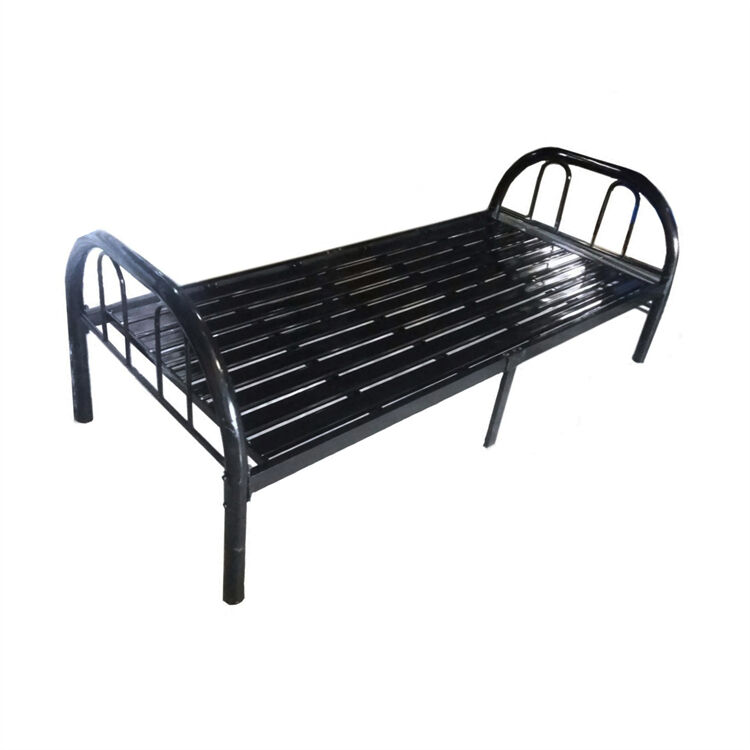
Pest Deterrence: How Steel Bed Design Prevents Bed Bug Harborages
Bed bugs love hanging out in dorm rooms where people come and go all the time. They find lots of places to hide in wood beds because of all those little cracks, joints, and rough spots in the frame. That's why steel beds are better at stopping them. These metal beds are built with tight welds, super smooth surfaces that don't absorb anything, and corners that are rounded instead of sharp. There just aren't any good hiding spots left for bugs or their eggs to stick around. Steel beds actually stop bed bugs from getting a foothold, which means we don't have to spray so many toxic chemicals all over the place. Cleaning routines also get much easier since there's nowhere for dirt and bugs to accumulate. For college campuses dealing with ongoing pest problems, switching to steel beds makes sense as part of a longer term solution for keeping dorms bug free.
Proven Long-Term Hygiene Performance in Real-World Dormitory Use
3-Year Institutional Data: Lower Recontamination Rates and Reduced Maintenance Costs for Steel Beds
Long term studies over three years in college dorms show that steel bed frames stay cleaner much longer compared to wooden ones. After thorough cleaning sessions, bacteria tends to come back 63% less on steel surfaces because they don't absorb germs like wood does. The cleanliness factor actually saves money too. Schools have seen their yearly maintenance bills drop by around 28%, mainly because they need fewer chemicals, spend less time scrubbing, and replace beds less frequently. When tested under stress conditions, steel frames held up through over 500 cleanings without issues, whereas wooden frames started showing problems after just a few dozen treatments - warping, peeling paint, and getting more porous so dirt sticks better. All this means steel beds make good sense for places where lots of people live together, offering both health benefits and budget advantages that administrators care about.
