
 EN
EN



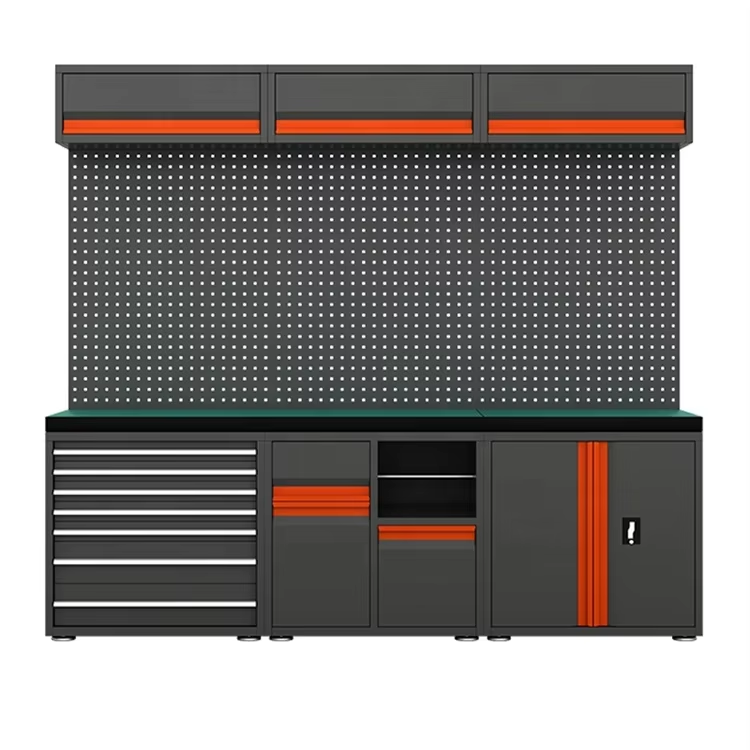
Defining the Laboratory Infrastructure Standard
Maintaining safety and structural order in a high-intensity research facility starts with selecting the right infrastructure. A laboratory cabinet serves as far more than a simple storage container for apparatus; it functions as an essential component of the containment strategy within a controlled environment. In research settings where technical procedures demand rigorous control over contamination, temperature, and material degradation, storage units operate as a fundamental extension of safety protocols. Facility managers often face the challenge of balancing high load-bearing requirements with the necessity for inert, easy-to-clean surfaces. Achieving this requires a sophisticated design philosophy that prioritizes environmental demands, ensuring every unit acts as a robust barrier between sensitive materials and the ambient laboratory atmosphere.
The Technical Hierarchy of Chemical Resistance
The primary specification for any professional-grade laboratory cabinet involves the capability to withstand exposure to a wide spectrum of aggressive agents. Unlike standard office or institutional furniture, these units are frequently subjected to corrosive fumes, acidic spills, and high-intensity cleaning solvents. To ensure long-term physical integrity, manufacturing processes must focus on cold-rolled steel treated with specific protective finishes. Advanced electrostatic powder coating acts as the essential barrier, preventing rust and chemical etching from compromising the structural substrate. This protective layer is engineered to resist both physical abrasion and chemical decomposition, ensuring that the cabinet remains an inert surface that does not leach contaminants into the surrounding environment, regardless of the research intensity or the frequency of disinfection protocols.
Structural Engineering for Heavy-Duty Storage
Beyond chemical resistance, the mechanical capacity of the storage unit is a non-negotiable metric. Research equipment, heavy glassware, and hazardous chemical containers impose significant stress on internal shelving and base frames. A laboratory cabinet must be engineered with reinforced joints and high-tensile-strength internal supports to prevent sagging or catastrophic structural failure over time. Engineering teams often utilize heavy-duty hinges and specialized drawer slides that maintain operational smoothness even when under maximum payload. These components are designed to minimize vibration, ensuring that delicate instrumentation remains shielded from mechanical instability. By adhering to rigorous internal bracing specifications, these units provide a stable environment that reduces the risk of accidents caused by shifting or collapsing storage infrastructure.
Ergonomics and Operational Safety Compliance
Safety in a laboratory is intrinsically linked to the accessibility of equipment and materials. An improperly designed cabinet can lead to physical strain or dangerous spills during routine retrieval. The specifications for an ideal laboratory cabinet emphasize ergonomic precision, such as the strategic placement of handles, the ease of door operation, and the inclusion of adjustable shelving that allows for a organized interior arrangement. Doors must be designed to clear aisle space without obstructing traffic flow, while locking mechanisms require the durability to secure controlled substances or sensitive equipment without hindering emergency access. This user-centric design approach mitigates operational hazards and promotes a more secure, streamlined workflow for laboratory personnel who depend on these tools to conduct complex scientific work daily.
Integrating Laboratory Storage into Global Safety Frameworks
Modern research facilities operate under stringent building codes and international safety benchmarks. A laboratory cabinet must be inherently compatible with these standards, particularly regarding fire resistance, structural mounting, and seismic stability. Manufacturers must account for the integration of these units into the broader building footprint, ensuring that anchoring systems can securely fasten the furniture to wall or floor structures. Furthermore, the design should facilitate rapid decontamination, featuring seamless transitions and rounded corners that prevent the buildup of dust or hazardous residues. By aligning every technical aspect—from material thickness to anchoring methods—with global safety expectations, the furniture contributes to a proactive safety culture within the research complex.
Manufacturing Excellence and Supply Chain Reliability
Successfully equipping a laboratory requires a partner who understands the intersection of precision engineering and large-scale industrial requirements. FT Steel Furniture specializes in the production of institutional-grade storage systems that meet the most demanding global specifications. By leveraging advanced manufacturing technology, the company ensures that every unit maintains consistency in structural integrity and protective coating application. This approach to supply chain management provides global research institutions with a reliable source for mission-critical furniture. By prioritizing high-grade raw materials and technical accuracy in every batch, FT Steel Furniture enables facility administrators to equip their spaces with secure, durable, and fully compliant solutions, establishing a foundation of excellence for ongoing scientific advancement and operational success.
Table of Contents
- Defining the Laboratory Infrastructure Standard
- The Technical Hierarchy of Chemical Resistance
- Structural Engineering for Heavy-Duty Storage
- Ergonomics and Operational Safety Compliance
- Integrating Laboratory Storage into Global Safety Frameworks
- Manufacturing Excellence and Supply Chain Reliability
