
 EN
EN



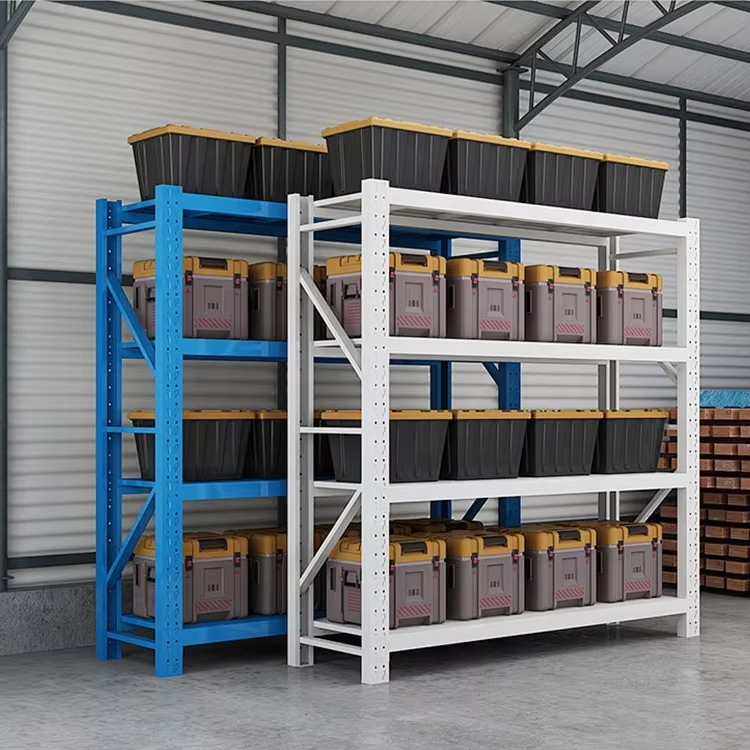
Material Science Advantage: How Steel’s Inherent Properties Elevate Storage Shelf Performance
Tensile strength and yield resistance: Why steel storage shelves maintain structural integrity under sustained heavy loads
Steel’s metallic lattice structure—formed by strong, delocalized electron bonds—delivers exceptional tensile strength (typically 250–450 MPa) and high yield resistance. This enables steel storage shelves to support palletized loads exceeding 1,000 kg per level without permanent deformation, unlike wood (prone to splintering) or plastic (susceptible to creep). Industrial racking systems routinely maintain dimensional tolerances within 1 mm after decades of continuous service—a testament to steel’s predictable, fatigue-resistant load-bearing behavior.
Impact resilience and dimensional stability: Critical for high-traffic warehouses and dynamic material handling
Steel’s ability to absorb and dissipate kinetic energy makes it uniquely suited for environments with frequent forklift traffic or accidental impacts. Its elastic deformation range allows it to rebound from collisions without fracturing—evidenced by Charpy V-notch impact values exceeding 27 J at –20°C, ensuring reliability even in refrigerated facilities. Coupled with minimal thermal expansion and near-zero moisture absorption, steel resists warping across humidity swings up to 85% RH. This dimensional stability is essential for automated storage and retrieval systems (AS/RS), where surface flatness directly affects precision and safety. Warehouse efficiency studies attribute a 34% reduction in inventory damage incidents to this combination of impact resilience and geometric consistency.
Corrosion Defense Systems: Protecting Steel Storage Shelves Across Challenging Environments
Galvanized, powder-coated, and stainless steel options—matching the right finish to humidity, chemicals, or outdoor exposure
Corrosion protection must align with environmental demands—not just material choice. Three engineered finishes deliver targeted defense:
- Galvanized Steel: A hot-dip zinc coating forms a sacrificial barrier ideal for humid, coastal, or food-processing environments where moisture exposure is constant. The zinc corrodes preferentially, preserving the underlying steel substrate.
- Powder-Coated Steel: A thermoset polymer finish applied electrostatically and cured under heat delivers uniform, chip-resistant coverage—particularly effective against chemical spills, abrasion, and UV degradation in automotive or pharmaceutical settings.
- Stainless Steel: Alloyed with ≥10.5% chromium, it forms a self-repairing passive oxide layer, making it the only option rated for continuous outdoor use or direct contact with aggressive agents like acids or saltwater.
All three treatments are applied during fabrication to ensure full coverage—including weld seams and load-bearing contact points—maximizing protection where failure would compromise safety or function.
Lifecycle comparison: Rust progression in steel vs. rot in wood and embrittlement in plastic storage shelves
Long-term performance hinges on how degradation affects structural capacity—not just appearance. Wood shelving typically fails structurally within 5–7 years in humid conditions due to fungal rot and insect infestation; plastic alternatives degrade faster—losing impact resistance and tensile strength in as little as 3 years under UV exposure or subzero temperatures. By contrast:
- Protected steel undergoes slow, superficial oxidation that does not penetrate load-bearing sections. Galvanized systems reliably exceed 15 years of service in harsh industrial environments.
- Maintenance burden is minimal: periodic visual inspection and localized touch-up paint—versus wood’s recurring chemical treatments or plastic’s irreversible brittleness and landfill-bound disposal.
- Economic outcome: While initial steel investment runs 20–30% higher, its 3–5× longer service life reduces total cost of ownership by up to 40% compared to non-metal alternatives—especially when factoring in labor, downtime, and replacement logistics.
This durability profile positions corrosion-resistant steel as the only material meeting both functional safety standards and lifecycle cost discipline for mission-critical storage.
Load-Bearing Superiority: Quantifying Long-Term Reliability of Steel Storage Shelves
Steel storage shelves sustain rated capacities over time because they resist creep, fatigue, and plastic deformation—unlike organic or polymeric materials. Standard wire shelving supports up to 350 lbs per shelf; heavy-duty racks handle 800–1,000 lbs in picking zones; and industrial-grade steel shelving reliably bears 2,000–3,000 lbs per level for bulk pallet or tool storage. These figures remain stable across decades of use when installed correctly—with proper upright spacing, anchoring, and weight distribution. That consistency eliminates the need for mid-life capacity derating or premature system replacement, a common requirement for wood (warping) or plastic (embrittlement) under sustained load.
| Shelving Type | Typical Load Capacity per Shelf | Example Application |
|---|---|---|
| Standard wire shelving | Up to 350 lbs | Light retail or office storage |
| Heavy-duty steel racks | 800–1,000 lbs | Warehouse picking areas |
| Industrial steel shelves | 2,000–3,000 lbs | Bulk pallet storage, tool rooms |
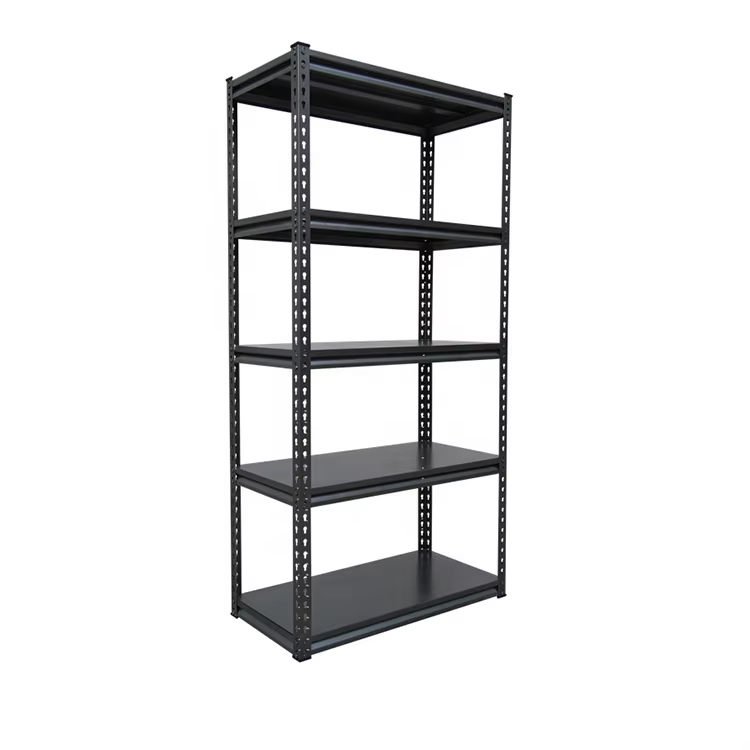
Total Cost of Ownership: Why Steel Storage Shelves Reduce Lifetime Expenses Despite Higher Upfront Investment
Depreciation, maintenance frequency, and replacement cycles across material types
Steel’s economic advantage emerges clearly over time. Though upfront costs are higher, depreciation is gradual—steel retains functional value for 20+ years with less than 15% performance loss over a decade. Maintenance is limited to annual inspections and occasional hardware tightening; no sealing, staining, or UV inhibitors are required. Wood, by contrast, suffers rapid deterioration—40–60% value loss within five years—while demanding frequent sanding, chemical treatment, and pest mitigation. Plastic degrades chemically and physically, losing load capacity after 3–5 years and becoming unrecyclable upon failure.
| Material | Typical Upfront Cost | Depreciation Rate | Maintenance Frequency | Replacement Cycle |
|---|---|---|---|---|
| Steel | Higher (moderate investment) | Slow (10–15% over 10 years) | Low (annual inspection) | 15–25 years |
| Wood | Lower | Rapid (40–60% in 5 years) | High (sanding, sealing, repair) | 3–5 years |
| Plastic | Lower | Rapid (50–70% in 3 years) | Moderate (replacement of cracked units) | 5–7 years |
In high-utilization industrial settings, the cumulative savings from eliminating recurring replacements, minimizing downtime, and avoiding unplanned structural interventions make steel the unequivocally lower-cost solution over any meaningful planning horizon.
FAQs
Q: Why are steel storage shelves more durable than wood or plastic?
A: Steel shelves have high tensile strength and yield resistance, enabling them to maintain structural integrity under heavy loads, unlike wood and plastic, which are prone to warping or embrittlement over time.
Q: What corrosion protection methods work best for steel shelves?
A: The most commonly used methods are galvanized coatings, powder-coated finishes, and stainless steel, each tailored to specific environments like humidity, chemical exposure, or outdoor use.
Q: How long do steel shelves typically last?
A: With proper care, steel shelves can surpass 15–25 years of service life thanks to their resistance to rust, creep, and environmental factors.
Q: Are steel storage shelves cost-effective despite their higher upfront price?
A: Yes, steel’s durability and low maintenance requirements reduce long-term costs, offering a total cost of ownership up to 40% lower compared to wood or plastic shelves.
Q: What are the load capacities for different types of steel storage shelves?
A: Load capacities range from 350 lbs for standard wire shelving to 3,000 lbs for industrial-grade steel shelves, depending on application and design specification.
Table of Contents
- Material Science Advantage: How Steel’s Inherent Properties Elevate Storage Shelf Performance
- Corrosion Defense Systems: Protecting Steel Storage Shelves Across Challenging Environments
- Load-Bearing Superiority: Quantifying Long-Term Reliability of Steel Storage Shelves
- Total Cost of Ownership: Why Steel Storage Shelves Reduce Lifetime Expenses Despite Higher Upfront Investment
- FAQs
