
 EN
EN



How to Store Chemicals Safely in Chemical Cabinets
The Foundation of Industrial Safety Management In environments where hazardous materials are present, the safe management of chemicals is the absolute foundation of site safety. Whether managing research facilities, industrial manufacturing spaces, or educational centers, the strategy behind how chemicals are housed directly influences the long-term integrity of the premises and the safety of personnel. Storing chemicals improperly creates significant liabilities that can disrupt operations. Drawing from technical experience in the design of storage furniture and the integration of safety protocols, it is clear that reliance on professional-grade chemical cabinets is essential. These storage units act as the primary barrier between volatile substances and the environment, ensuring that hazardous materials are contained, organized, and stabilized within a controlled, compliant structure.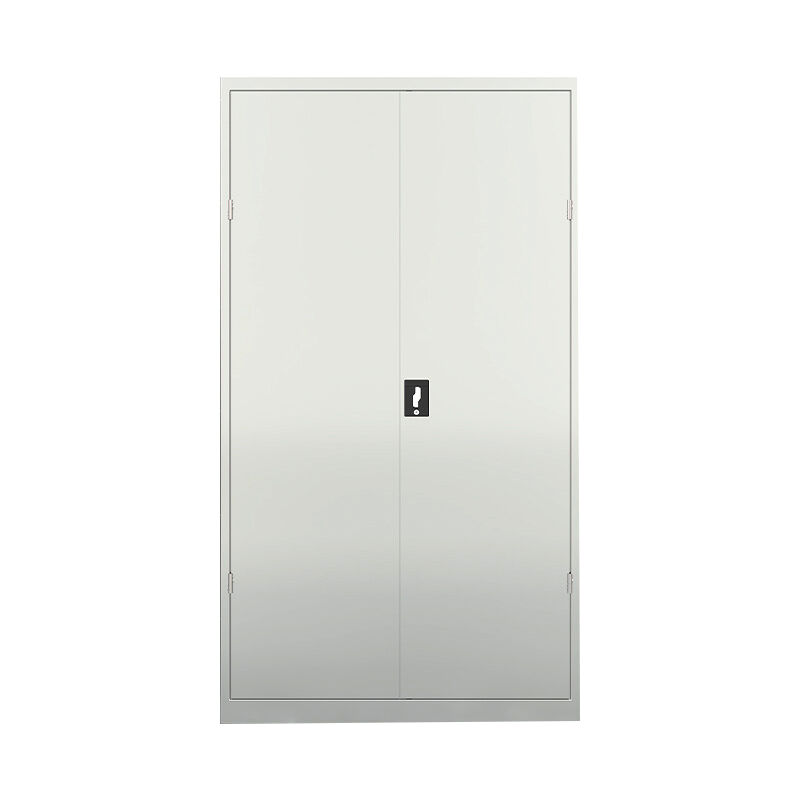
Engineering Guidelines for Chemical Storage Effective chemical storage is rooted in a deep understanding of material interactions. Substances often possess incompatible properties that require strict separation to prevent unintentional reactions. From an engineering perspective, a high-quality chemical cabinet must provide more than physical storage; it must be designed with features that address specific physical threats. This includes corrosion-resistant coatings, reinforced walls designed to withstand structural stress, and integrated ventilation systems that prevent the buildup of vapors. By adhering to engineering standards that dictate how containment and airflow function within a cabinet, operators can ensure that a stable environment is maintained regardless of external conditions.
Compliance and Storage Logic Beyond the physical structure of the unit, the logic applied to the organization of items is what ensures site safety. Professional protocols demand that chemicals be segregated based on their compatibility and hazard classification. A well-managed storage strategy utilizes chemical compatibility charts to determine which substances should never be in close proximity. In practice, this means grouping reactive materials in individual, segregated compartments. For facility managers, this level of organization is necessary for compliance with international safety regulations. Implementing a strict storage hierarchy minimizes the risk of unintended reactions and ensures that the nature and location of every hazardous substance remain clearly defined.
The Importance of Structural Integrity When selecting a storage solution, structural integrity is non-negotiable. Professional-grade chemical cabinets are purpose-built to handle structural loads and potentially corrosive atmospheres. Features like liquid-tight sumps at the base are crucial; they are designed to catch and contain spills, preventing the spread of hazardous material. Additionally, automatic door-closing mechanisms and thermal-sensitive fire protection are critical safety layers. By integrating these features, the cabinet functions not just as a container, but as an active safety component. A robustly engineered cabinet ensures that if an internal leak occurs, the incident is contained and isolated, protecting both personnel and the structural assets of the facility.
Leveraging Professional Manufacturing Expertise Successful risk management is tied directly to the reliability of the storage equipment. FT Steel Furniture bridges the gap between rigorous industrial safety standards and the practical requirements of modern storage environments. By maintaining strict control over manufacturing processes—from precision sheet metal forming to advanced powder coating—FT Steel Furniture ensures that the hardware provided to global partners is not only compliant but structurally optimized for high-intensity use. This manufacturing focus is vital for minimizing operational variations and ensuring that technical demands for chemical handling are met with the structural reliability that professionals expect.
Building a Reliable Future Investing in high-specification chemical cabinets is a strategic decision that favors both long-term workplace integrity and consistent safety performance. As international safety standards continue to evolve, the reliance on high-performance steel storage solutions will continue to grow. By partnering with a firm that brings both the technical depth to analyze containment needs and the manufacturing capacity to deliver reliable storage solutions, operators ensure their facilities reach the standard of safety. FT Steel Furniture remains fully committed to providing the fundamental mechanical foundations that drive the success of safety projects worldwide, ensuring that every piece of furniture manufactured stands as a testament to technical excellence. When storage solutions are built with this level of technical care, the result is a more resilient working cycle that protects both people and resources.
