×
×
When evaluating commercial steel shelves, construction quality determines both security capabilities and operational lifespan. Three engineering factors separate commercial-grade storage from consumer alternatives.
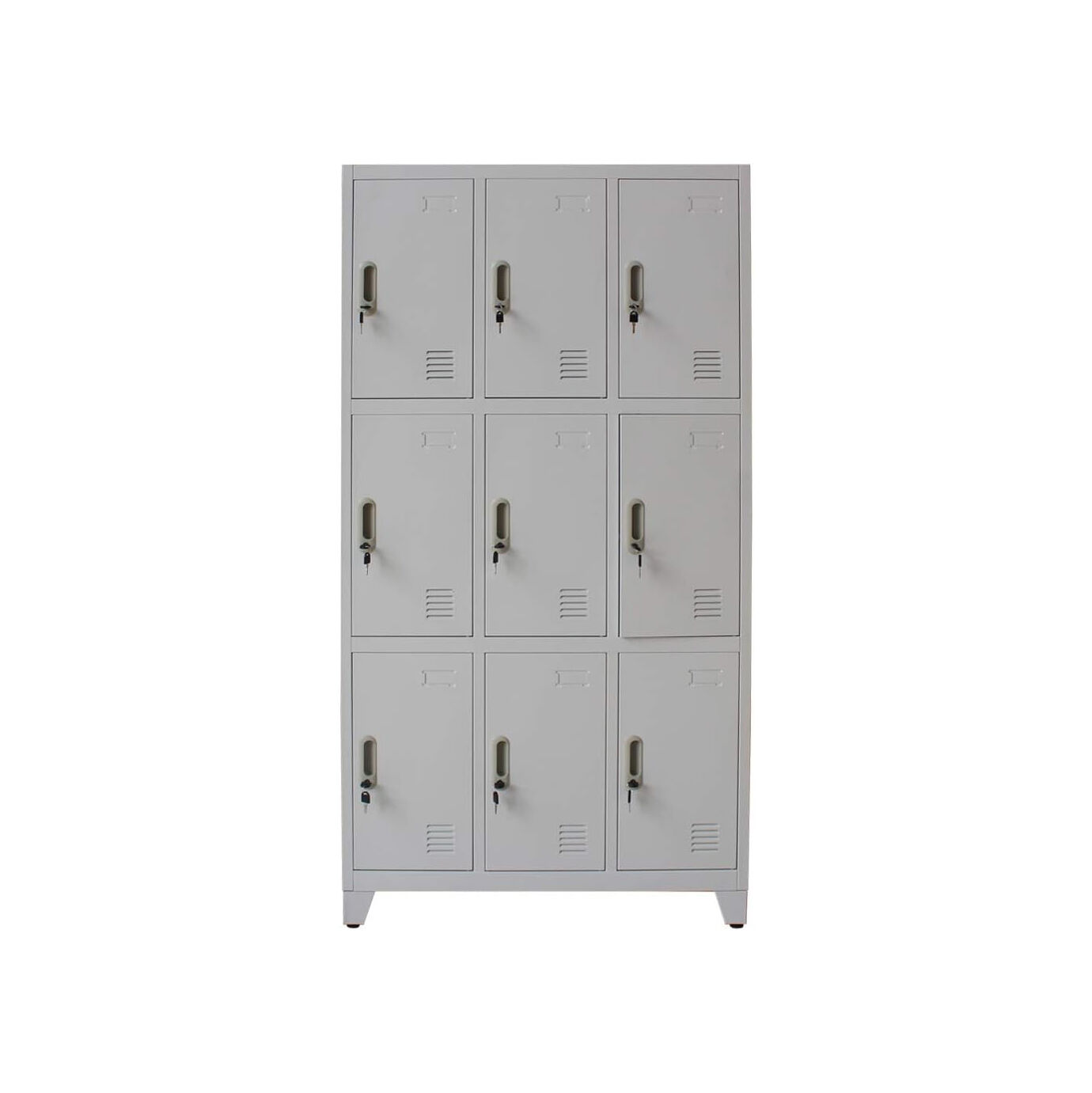
Steel thickness (measured by gauge) directly correlates with forced-entry resistance. Lower gauge numbers indicate thicker panels—commercial models typically use 10–12 gauge steel compared to residential 16–18 gauge units. Industrial security testing shows 12-gauge steel withstands pry bar attacks four times longer than consumer-grade equivalents while maintaining structural alignment.
Cold-rolled steel's controlled manufacturing process creates a denser molecular structure than hot-rolled alternatives, resulting in 15–20% greater yield strength (550–725 MPa) and a smoother surface that better retains protective coatings. Warehouse durability analyses confirm cold-rolled steel resists warping in humidity fluctuations common to armories and outdoor facilities.
When manufacturers use continuous laser welding on all those joints, they basically eliminate any spots where tools could get inserted accidentally. Plus, the overlapping steel plates at corner areas help spread out the weight much better across the structure. Most commercial grade units these days come with extra reinforcement using two plates at the stress points, which allows certain cabinet designs to hold upwards of 1200 pounds per shelf without bending or warping. And don't forget about the drawers either – seamless one piece construction removes those potential weak links we see in traditional rifle rack systems, making them far more durable in everyday use situations.
Commercial steel shelves designed for long-gun storage demand security systems that balance rapid access with tamper-proof reliability.
In really cold or hot environments, mechanical locks can be counted on about 99.9% of the time between -40 degrees Fahrenheit and 120 degrees Fahrenheit, so they work great in places without heating systems. On the flip side, electronic keypads let people get through doors much faster in emergency situations around 2 seconds flat most of the time. These systems don't break down too often either, somewhere under half a percent each year if someone takes care of them properly according to Security Hardware Standards from last year. Many businesses that have lots of staff coming and going throughout the day tend to go for programmable electronic locks instead. The savings on having to change keys all the time adds up pretty nicely too roughly 80% less expense than what it would cost with old fashioned lock systems.
Multi-authentication protocols now dominate commercial installations, with 74% of security managers requiring both biometric and physical key access for sensitive armories. These systems prevent 92% of unauthorized entry attempts by separating credential storage from authentication hardware—a critical defense against lock bypass attacks.
Cabinets with biometric access hit around 99.8 percent accuracy for fingerprint scans during real world testing, and they cut down on those annoying accidental lockouts by about two thirds when compared to old school PIN entry systems. These days, most commercial steel storage units come equipped with triple trigger tamper detection systems that monitor door positions, vibrations, and temperature changes. They also include automatic audit logs that satisfy NFSA Rule 28.9 requirements, plus RFID tags for inventory management that sync right up with building management programs. According to research published last year in the Industrial Safety Journal, roughly eight out of ten break in attempts simply don't work against cabinets that combine all these security measures along with sturdy 14 gauge steel construction.
Choosing commercial steel shelves for storing firearms means compliance is not just recommended but actually essential protection from potential lawsuits and business disruptions. The federal rules demand that these gun storage solutions comply with specific requirements set by the ATF (Alcohol, Tobacco, Firearms and Explosives) regarding theft resistance, fire safety standards from the NFSA (National Fire Safety Association), and structural soundness verified by UL (Underwriters Laboratories). Recent data from the security sector shows something alarming too. About three quarters of storage units that didn't follow these guidelines couldn't even pass simple pry tests. This clearly highlights why getting proper third party approval matters so much when it comes to safe firearm storage solutions.
Federal guidelines mandate steel thickness (minimum 12-gauge), dual-point locking systems, and certified pry-resistant seams. UL 1037 certification verifies a cabinet’s ability to withstand 10+ minutes of attack using common tools. Facilities storing over 50 firearms must also comply with ATF storage regulations for inventory tracking and audit trail requirements.
California and New York require fire ratings exceeding federal standards (60+ minutes vs. 30-minute minimum), while Texas prioritizes humidity control for preservation. Always verify local mandates for steel gauge (16-gauge minimum in Illinois), fireproofing requirements, and reporting protocols for access logs.
Smaller operations can offset costs by prioritizing modular commercial steel shelves that scale with inventory growth. While basic UL-certified units start at $1,800, compliance automation strategies reduce long-term auditing costs by 42% (2024 security sector report). Focus on high-ROI features: reinforced hinges, tamper-evident seals, and cross-state certification recognition.
When choosing steel shelving solutions, commercial operators should really look at what they need right now plus think ahead for those next three to five years of business growth. According to research published last year on firearm inventories, nearly seven out of ten shooting ranges and gun shops actually needed way more space than they initially planned for their storage needs, sometimes underestimating by as much as forty percent. This often leads to expensive retrofitting down the road. Seasonal changes in demand matter too, along with those big purchase orders customers might throw at them unexpectedly. The shelves need to handle those unusual long gun models while still keeping everything accessible when someone comes looking for something specific.
Modern systems use interchangeable steel panels that reconfigure in under 10 minutes for mixed-caliber collections. Heavy-gauge adjustable racks with laser-cut alignment slots (12–60" length adaptability) prevent barrel warping while supporting 180+ lbs per tier. In high-turnover environments, dual-track sliding shelves reduce access time by 40% compared to fixed units.
Precision-cut closed-cell foam liners with RFID tag slots enable rapid audits while protecting finishes during daily access. Vertical accessory pouches (8–12 pocket configurations) mounted between shelves secure optics, cleaning kits, and ammunition without consuming floor space. Laboratories verify 0.05mm foam density variance thresholds to prevent sight-misalignment risks during long-term storage.
When installing secure cabinets, start by drilling Grade 70 steel wedge anchors through structural slabs. These anchors have been tested and shown to hold against over 2,500 pounds of vertical pull force. On concrete floors specifically, go with 1/2 inch diameter anchors placed about 16 inches apart from each other. This spacing offers good protection against theft and also complies with OSHA requirements for anchoring equipment properly. The latest security recommendations stress the importance of commercial grade bolt kits too. They help stop cabinets from tipping over and make it much harder for someone to move them without permission, which is especially important in facilities where valuable equipment needs extra protection.
Cabinets need to be placed about 18 to 24 inches away from entry points so they can be reached quickly when something goes wrong, but still stay out of sight for regular folks walking by. When mounting on walls, it's best to hit at least two load bearing studs behind the drywall. This simple trick actually makes things much steadier, according to some studies showing around a two thirds improvement in stability across commercial spaces. Also important is leaving space between cabinets and those big HVAC ducts or steam pipes. Keep at least three feet clear there to avoid moisture problems that ruin shelves all too often. We've seen this happen in nearly four out of ten buildings we check, according to that NFPA report last year.
Implement modular shelving systems that accommodate 15–20% inventory growth while maintaining under 28-inch aisle widths for ADA compliance. Use vertical stacking units with reinforced crossbars to triple storage density without compromising firearm accessibility—a key cost-saving strategy for 74% of urban armories.
Last Updated: May 2024
Compliance Status: Verified against ATF 2024 Storage Mandates

LUOYANG FURNITOPPER provides premium steel furniture manufacturing for global B2B buyers. Our ISO 9001/14001/45001-certified factory offers KD lockers, tool cabinets, shelving & dorm furniture with CNC precision, 5S quality control, and one-stop OEM/ODM solutions. Contact us today!
No.8 Yanguang Road, High-Tech District, Luoyang 471000, Henan, China.
Copyright © 2025 by LUOYANG FURNITOPPER IMPORT AND EXPORT TRADING CO., LTD. Privacy Policy

 EN
EN


 Hot News