Prioritize Ergonomic Design for Growing Bodies
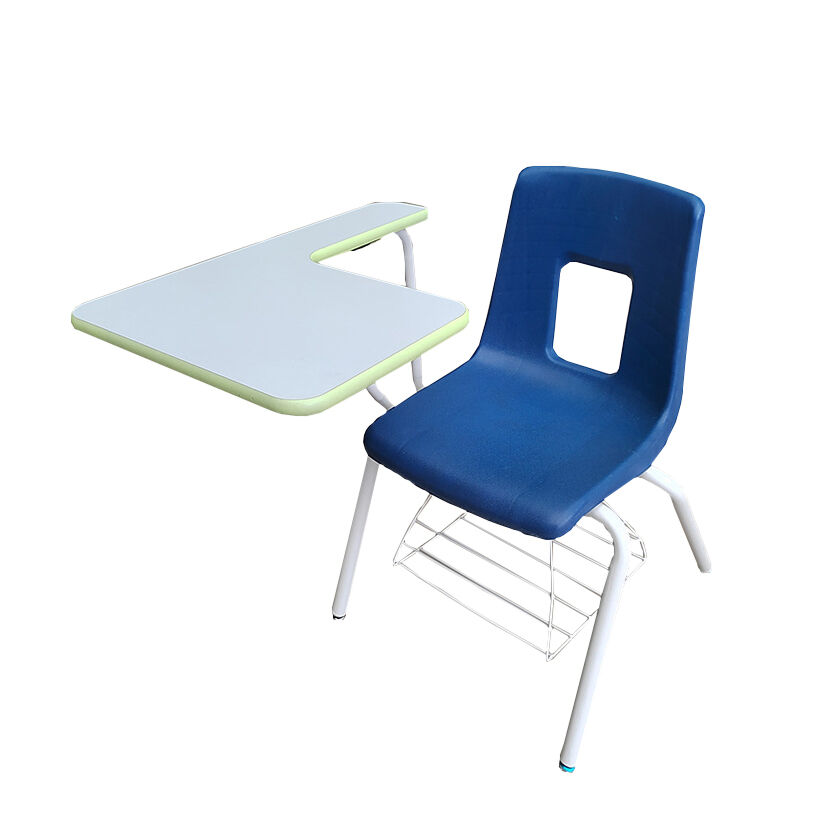
Classroom furniture plays a crucial role in students’ learning experience and physical development, especially since children and teenagers spend hours sitting at their desks every school day. The key to selecting suitable furniture lies in prioritizing ergonomic features, and an ergonomic school desk and chair is a fundamental choice for any age group. Ergonomic design isn’t just a trendy term—it’s about creating furniture that adapts to the body’s natural posture, reducing strain on the back, neck, and shoulders. For young learners, this means desks and chairs that support proper spine alignment as they grow, while for older students, it involves features that accommodate longer study sessions and heavier school supplies.
Furniture that lacks ergonomic considerations can lead to discomfort, poor posture, and even long-term health issues. For example, chairs that are too high or too low force students to slouch or stretch awkwardly, which can affect their concentration and overall well-being. An ergonomic school desk and chair addresses these problems by offering adjustable heights, supportive seat cushions, and properly positioned desk surfaces. This adaptability ensures that students of different heights and body types can sit comfortably, allowing them to focus on their studies rather than physical discomfort. When choosing classroom furniture, it’s essential to look for designs that prioritize ergonomics to support students’ health and academic success.
Match Furniture Size to Age-Related Needs
Different age groups have distinct physical characteristics and learning requirements, so classroom furniture must be sized appropriately to meet these needs. Younger students in elementary school are smaller in stature and have shorter attention spans, so their furniture should be compact, lightweight, and easy to move. Desks should be low enough for them to place their feet firmly on the ground, with chair seats that support their thighs without cutting off circulation. Additionally, smaller desks can help keep their study area organized, reducing distractions and making it easier for them to reach books and supplies.
For middle and high school students, furniture needs shift to accommodate their growing bodies and increased academic workload. They require larger desks with more surface area to hold textbooks, laptops, and notebooks. Chairs should provide better lumbar support to handle longer periods of sitting, and adjustable features become even more important as students’ heights vary significantly during these years. A well-sized ergonomic school desk and chair for older students can prevent fatigue and discomfort during extended study sessions, whether they’re taking notes in class or working on group projects. By matching furniture size to the specific needs of each age group, schools can create a more comfortable and functional learning environment.
Consider Durability and Practicality for Classroom Use
Classrooms are high-traffic areas where furniture is used frequently by multiple students, so durability and practicality are essential factors to consider. School furniture must be able to withstand daily wear and tear, from moving chairs around during group activities to placing heavy books and supplies on desks. Choosing furniture made from high-quality materials, such as cold-rolled steel, ensures that it can endure the rigors of classroom life. Steel furniture is not only strong and long-lasting but also easy to clean, which is crucial for maintaining a hygienic learning environment.
Practical features also enhance the usability of classroom furniture. For example, desks with built-in storage compartments or shelves can help students keep their belongings organized, reducing clutter and saving space. Chairs with stackable or lightweight designs make it easier for teachers to rearrange the classroom for different activities, such as lectures, group work, or presentations. An ergonomic school desk and chair that combines durability with practical features offers long-term value, as it won’t need frequent replacement and can adapt to various teaching methods. Schools should invest in furniture that balances sturdiness and functionality to meet the demands of daily classroom use.
Balance Comfort with Classroom Functionality
While comfort is a top priority, classroom furniture must also be functional enough to support different teaching styles and learning activities. The ideal furniture should allow for flexibility, enabling teachers to create dynamic learning environments that encourage interaction and engagement. For example, desks that can be easily arranged in groups promote collaborative learning, while individual desks with ergonomic features support focused study. Chairs that swivel or have casters (with lockable options for stability) add mobility, allowing students to move around the classroom as needed without disrupting others.
Comfort and functionality go hand in hand when it comes to student performance. An ergonomic school desk and chair that is comfortable to sit in for long periods helps students stay focused and engaged, while functional features make it easier for them to participate in class activities. For instance, adjustable desk heights allow students to switch between sitting and standing, promoting better blood circulation and reducing fatigue. Additionally, furniture that is designed with the classroom layout in mind can maximize space, ensuring that there is enough room for students to move around freely. By balancing comfort with functionality, schools can create a learning environment that supports both academic success and student well-being.
 ×
×


 EN
EN


 Hot News