×
×
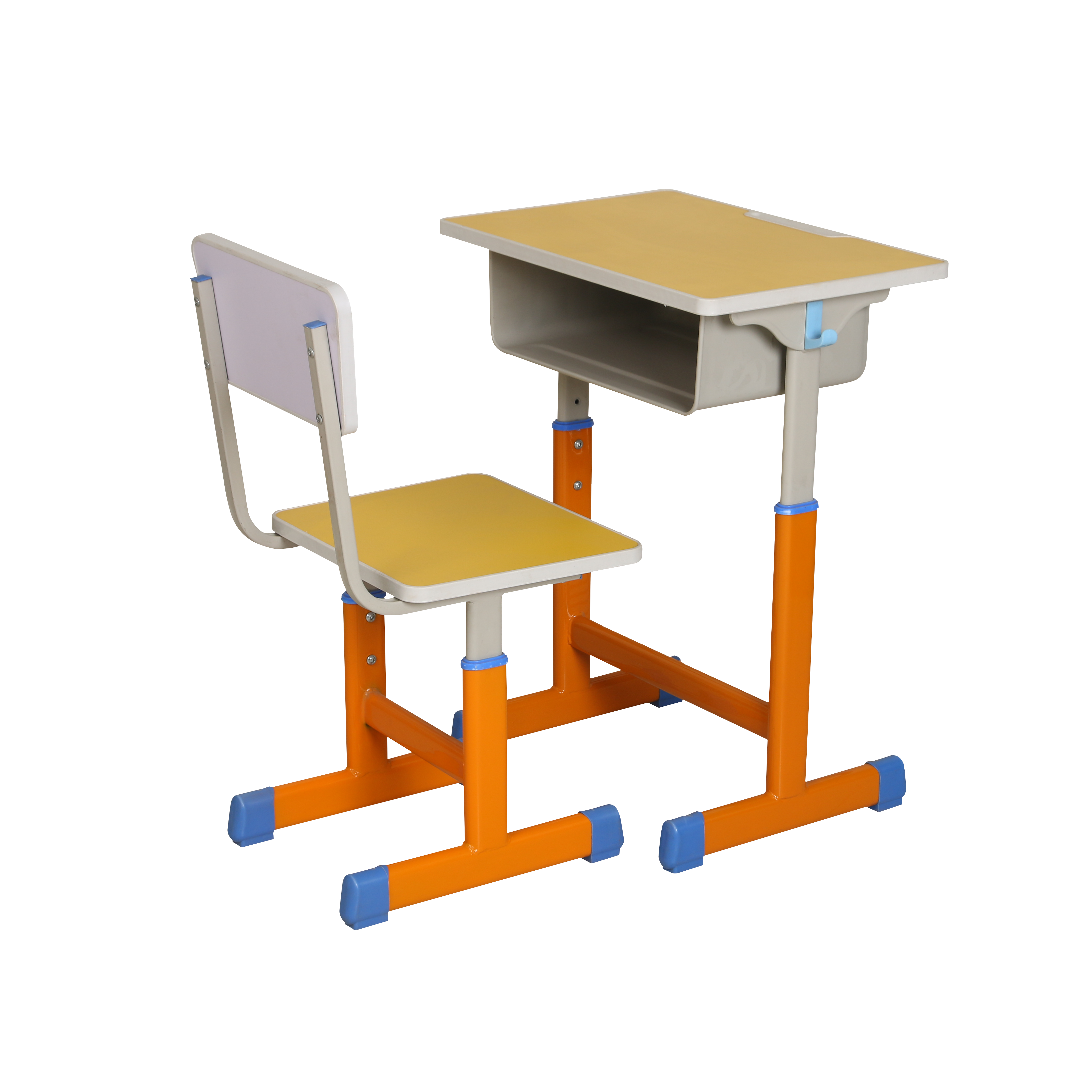
Standard classroom seating tends to lock kids into awkward positions that lead to all sorts of problems like backaches, numb legs, and stiff necks. When students get uncomfortable, they start shifting around constantly throughout the day. Some studies indicate kids in regular school chairs might move their position anywhere from 10 to 12 times each hour, which definitely affects how well they can concentrate on lessons. Good quality ergonomic furniture helps solve this issue through features such as air-permeable padding, adjustable back supports that adapt to different body shapes, and settings that let both chair height and desk depth be customized properly. According to findings published last year by ergonomics researchers, schools that switched to these better designed setups noticed about 40 percent fewer fidgety movements among students, and teachers reported those same classes maintained attention for roughly 28% longer periods during class time. Simply put, when kids aren't dealing with bodily discomfort, they spend more mental energy actually learning rather than trying to forget their aching backsides.
Good ergonomic chairs do more than just make sitting comfortable. They actually help boost how long someone can stay mentally focused. When kids sit properly with their pelvis in a neutral position, feet planted firmly on the ground, and back straight (thanks to seats that adjust depth and desks at the right angle), something interesting happens. Their lungs take in about 15% more air, which means more oxygen gets to the brain. A study from the Journal of Educational Ergonomics in 2022 backs this up. Better breathing and circulation keep the brain fresh longer during tough mental work like analyzing complex material or reading for extended periods. The dynamic parts of these chairs matter too. Features like subtle rocking motions or backrests that move with the body aren't just for comfort. They let people fidget naturally without losing focus. Those small movements actually wake up certain areas of the brain responsible for staying alert. As a result, students can concentrate at a high level for around 25% more time before their minds start to wander or tire out.
During their teenage years, kids experience all sorts of body changes really fast, but most regular furniture just doesn't keep up with this growth. That's why schools need those special desks and chairs designed to grow with them. These ergonomic sets have adjustable heights so feet can actually touch the ground properly, plus shaped seats and back supports that help maintain good posture even when they're going through those sudden growth spurts. Research indicates that sitting in chairs with proper lower back support cuts down pressure between vertebrae by around 35 percent, which helps protect discs and keeps spines aligned correctly. Think about it: students typically sit for seven or more hours every day at school. When they consistently use furniture that fits their bodies right from the start, it creates better posture habits over time. This prevents bad sitting patterns that might develop into long term back problems as adults.
When someone slouches, it's not really just bad habits at play here. Our bodies actually respond mechanically when sitting on furniture that doesn't fit properly. Good ergonomic design gets ahead of this problem by making sure chairs and desks work with our body shapes rather than against them. Seats with proper contours take pressure off those bony parts at the bottom of our pelvis and help blood flow better. Backrests that are angled correctly activate muscles in our cores that naturally keep us sitting straight without needing to think about it. And adjustable desk heights mean screens stay at eye level instead of forcing heads forward, which causes so many neck problems in teenagers. Some real world testing in classrooms showed that students using these specially designed setups reported almost half as much back pain after studying for an hour and a half. What makes all this important is that these smart chair and desk features eliminate the constant need to adjust posture manually. Students can maintain good sitting positions without even realizing it, which matters a lot when they spend hours bent over books or computers.
| Feature | Conventional Furniture | Ergonomic Solution | Impact |
|---|---|---|---|
| Seat Depth | Fixed, often too deep | Adjustable depth | Prevents thigh pressure + improves circulation |
| Lumbar Support | Flat or absent | Height-adjustable curve | Reduces lower back strain by 31% |
| Desktop Angle | Static horizontal | 15° adjustable slope | Decreases neck flexion by 25° |
| Foot Position | Dangling or cramped | Footrests + height adjustment | Maintains 90° knee/hip alignment |
Ergonomic furniture that allows movement changes how people sit from just being still to actually engaging with what they're doing. Instead of trying to stop those little movements we all make when sitting, these chairs let us rock gently, tilt slightly, or even move between sitting and standing positions throughout the day. This kind of motion helps get blood flowing better, keeps our brains more alert, and regulates metabolism naturally. Research back in 2020 showed something interesting too. When kids used adjustable seats in classrooms, teachers noticed about 12 percent more mental engagement during both group projects and individual work time. Traditional furniture assumes that sitting still means paying attention, but movement-friendly seating acknowledges different learning styles while keeping things organized in class settings. These designs cut down on discomfort from sitting too long without making students lose concentration. They actually help with hands-on teaching methods, teamwork activities, and maintaining focus over longer periods of time as well.
Good ergonomic furniture does more than make sitting comfortable; it actually changes how long people can focus. When furniture is designed to reduce back and neck strain with adjustable features and proper support, students don't waste so much energy just trying to sit still. Studies have shown something interesting happens too. Kids who work at desks and chairs that fit them right tend to stick with tough problems about 30 percent longer before giving up. They also need to take breaks roughly 25 percent less often while working on their schoolwork. Since they aren't constantly thinking about discomfort or tiredness, their minds stay sharper for learning. This means better concentration in math class, deeper reading comprehension in literature, and overall better study habits forming naturally as time goes on.
Schools adopting ergonomic classroom furniture report consistent, measurable improvements in academic metrics within two years:
What we're seeing goes beyond just feeling comfortable in class. There's actually a big change happening in how kids learn these days. Better posture support, more built-in movement opportunities, and less overall tiredness all seem to help students remember stuff better. They also raise their hands more often during discussions and tackle tough problems without getting discouraged so quickly. Think about it this way: when kids feel good physically, their brains work better. That leads to improved grades, which makes them want to keep trying hard in school. And once they start seeing results from their efforts, the whole process becomes kind of addictive for both teachers and learners alike.

LUOYANG FURNITOPPER provides premium steel furniture manufacturing for global B2B buyers. Our ISO 9001/14001/45001-certified factory offers KD lockers, tool cabinets, shelving & dorm furniture with CNC precision, 5S quality control, and one-stop OEM/ODM solutions. Contact us today!
No.8 Yanguang Road, High-Tech District, Luoyang 471000, Henan, China.
Copyright © 2025 by LUOYANG FURNITOPPER IMPORT AND EXPORT TRADING CO., LTD. Privacy Policy

 EN
EN


 Hot News