
 EN
EN



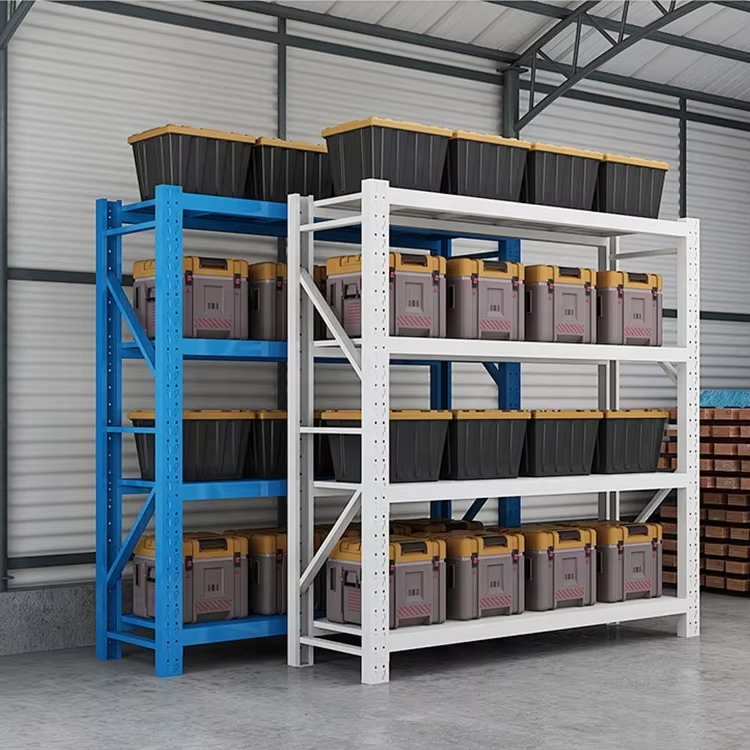
Unlock Vertical Potential With Height-Adjustable Shelf Systems
Why Standard Shelving Wastes Up to 40% of Vertical Space
Regular shelving setups force items into fixed height slots, which leaves plenty of empty space hovering over whatever gets stored there. The problem really stands out in warehouses dealing with all sorts of different product sizes. Imagine trying to fit both tiny screws and big boxes on the same shelf level. According to various warehouse reports, this kind of rigidity actually squanders around 40% of available vertical storage area in most facilities. What does that mean practically? A lot of wasted room just sitting there doing nothing. Traditional fixed shelves aren't just bad at using space above items either. They also leave dead zones underneath taller products where smaller things simply won't fit. Adjustable shelving solutions tackle this issue head on by allowing shelves to be spaced exactly where needed based on what's actually being stored in the facility day to day.
How Precision Shelf Spacing Eliminates Air Gaps and Boosts Cubic Utilization
Adjustable height shelves can turn all that empty space between ceiling and floor into serious storage capacity by setting shelves at just the right spots for each item. When shelves match products exactly instead of going with standard spacing, there's way less wasted room and much better use of available space. One big warehouse company saw their storage efficiency jump by almost 80% after switching to these systems, cutting down on about 11 inches of dead air in every vertical section. The tighter packing means more layers fit in the same space, giving roughly three times the storage efficiency compared to regular fixed-shelf setups. Some of the main benefits worth noting are:
- Dynamic compression: Shelves compress vertically around irregularly shaped or oversized items
- Growth accommodation: Heights adapt instantly to new SKU dimensions without retrofitting
- Density optimization: Closer, purpose-driven spacing creates more storage layers per vertical foot
The flexibility also reduces relocation costs by 65% during seasonal layout changes—no disassembly or re-engineering required.
Match Shelf Configurations to Inventory Diversity
The Cost of One-Size-Fits-All Shelf Depth and Load Ratings
When warehouses stick to uniform shelf depths and load ratings, they end up creating unnecessary inefficiencies plus serious safety issues when dealing with all sorts of different inventory. According to Storage Solutions Today from last year, facilities with standard depth shelves tend to leave about 30% of their front to back storage area completely unused. Think about it: tiny products get buried at the back where nobody can reach them, and big items have no choice but to squeeze into spaces that were never meant for them. The real danger comes from those mismatched load ratings though. Putting heavy stock keeping units on light duty shelves is asking for disaster, and we've seen shelves give way under such conditions before. On the flip side, going overboard with super strong shelving just eats away at budgets and takes up valuable floor space without any real benefit. That's why adaptable shelving systems make so much sense these days. They let managers adjust depth, height, and weight capacity based on what's actually being stored rather than following some arbitrary standard.
Tiered Zoning: Aligning Shelf Height, Depth, and Capacity With SKU Profiles
Tiered zoning really boosts how well warehouses operate because it matches shelf specs right to what each item actually needs. The quick moving stuff that doesn't weigh much should go on those shallower shelves at eye level where workers can grab them easily without straining their backs. Meanwhile, big heavy boxes that don't sell as fast need to be stored in deeper spots with stronger supports since they take up more space and weigh more. When everything fits just right based on size and weight, most storage spaces get about 90% usage which is pretty impressive considering safety standards too. Plus, this setup saves around a quarter of the time people spend looking for things, so there's less messing around with moving stuff back and forth multiple times. What makes tiered zoning especially useful is that it adapts naturally when seasons change or new products come in without needing expensive renovations or buying new equipment upfront.
Build Scalable, Adaptable Storage With Reconfigurable Shelf Units
How Static Shelf Infrastructure Hinders Growth, Seasonality, and Relocation
Fixed shelving systems basically become part of the building itself once installed, making it really hard to adapt when business needs change. When companies grow, they either end up cramming products into every available space vertically or paying extra for outside storage facilities. The problem gets worse during peak seasons when inventory levels spike suddenly. Traditional fixed racks just don't allow for rearranging sections or squeezing in more stock without major modifications. Moving these systems around is another headache altogether. It means taking everything apart completely, finding someone qualified to put it back together elsewhere, and dealing with all the lost time while workers are busy with the relocation instead of their regular jobs. All these limitations slow down how quickly businesses can react to market changes, make launching new products much more complicated, and ultimately cut into what companies get back from their investment in warehouse space.
Modular Shelf Design and Mobile Base Integration for On-Demand Layout Changes
Reconfigurable shelf systems resolve these limitations through two core innovations:
- Tool-less modular components, including pin-and-hole uprights and slide-in decking, enable staff to adjust shelf heights and depths in minutes—not hours
- Integrated mobility casters allow entire units to be relocated safely and efficiently without disassembly or anchoring
Warehouse managers report 30% faster layout changes compared to fixed systems. Mobile bases eliminate permanent floor anchoring, simplifying facility moves and supporting temporary staging zones. Together, modularity and mobility ensure storage infrastructure evolves seamlessly with inventory profiles—maximizing existing square footage at every stage of growth.
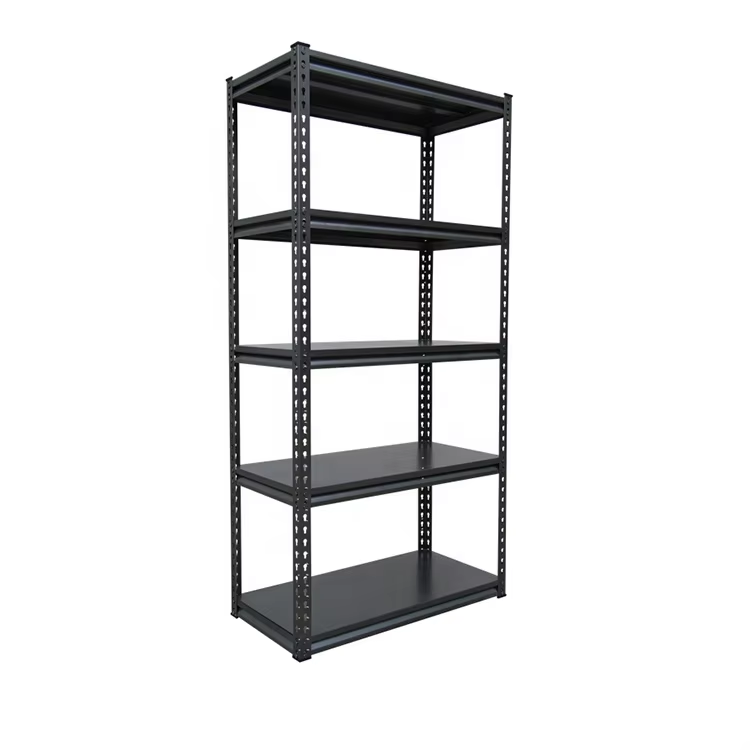
Select and Install Adjustable Shelves for Long-Term Efficiency
Picking out the right adjustable shelving system really comes down to checking three main things: how much weight it can actually hold, what kind of materials were used, and whether adjusting shelves is easy without tools. For places where stuff gets heavy duty, steel frames are definitely worth considering because they handle serious weight better than other options. If storage areas tend to get damp or dusty, look for coatings that resist rust like powder coating or galvanized treatments these days last much longer in tough conditions. The best systems let workers change shelf heights quickly without needing wrenches or screwdrivers. Some models come with those handy dual pin systems or cam locks that stay stable even after moving shelves around hundreds of times. Installation matters too nobody wants wobbly shelves! According to industry standards, metal uprights should be bolted firmly to walls or floors following ANSI/MH16.1 guidelines so everything stays put when loaded to capacity. Get this right from day one and adjustable shelving stops being just another piece of equipment sitting there collecting dust. Instead, it becomes something valuable that adapts as warehouse needs evolve over time.
