
 EN
EN



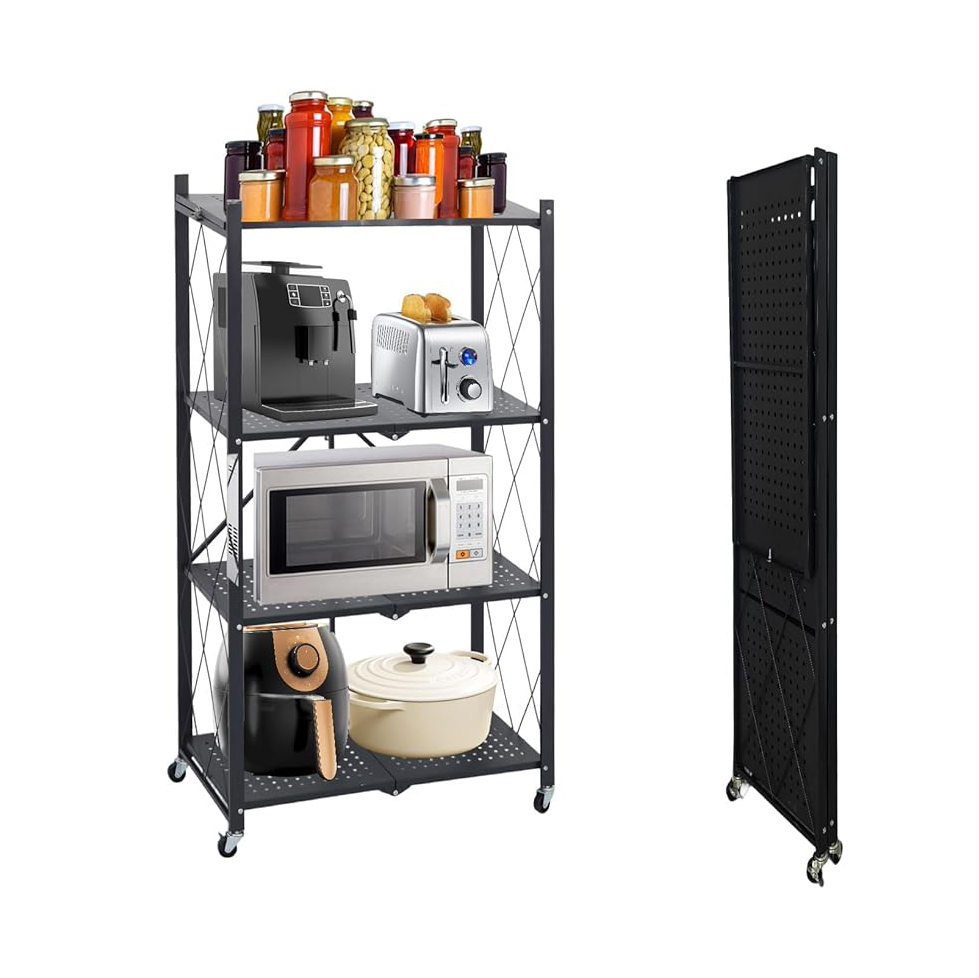
Folding Shelf Benefits: Lease-Compliant, Damage-Free Storage
How folding shelves satisfy no-drill lease clauses and protect security deposits
Renters dealing with limited storage options will find folding shelves to be game changers when it comes to making the most of available space while keeping their apartments intact. Traditional wall mounted shelves need holes drilled into drywall, which obviously isn't allowed under most leases. The good news is that folding alternatives either clamp onto existing structures or stand on their own, so there's absolutely no damage done to walls during installation. And let's be honest, nobody wants to lose part of their security deposit over something as simple as a few dents in the wall. According to recent surveys, nearly 8 out of 10 renters end up losing money because of wall damage issues at move out time. Plus, most of these systems come together quickly without any tools required, and they can hold quite a bit too many support around 50 pounds per shelf without needing anchors or screws. When it's time to pack up and leave, just fold everything down flat within seconds. No messy patches, no sanding projects, no calling repair services. Landlords love them too since they meet all those strict rental inspection rules about not making changes without permission.
Why renters choose folding shelf systems over wall-mounted or built-in alternatives
Renters prioritize folding shelves for three distinct advantages over traditional options:
- Zero-commitment flexibility: Unlike built-ins—which become landlord property—folding shelves move with you across apartments
- Space reconfiguration: Units collapse vertically when not in use, reclaiming an average of 7.2 sq ft of floor space (versus permanent shelving)
- Damage-proof stability: Interlocking joints and weighted bases deliver secure, wall-anchor-free storage
Flexibility matters a lot these days in the ever-changing world of short term rentals. Traditional wall mounted options create problems for landlords who need both storage space and something that meets regulations. Big old bookshelves take up way too much room in small apartments. That's where folding systems come in handy. When they're open, these units give plenty of surface area for displaying stuff or storing items. And when not needed, they fold down into something compact that doesn't eat up valuable floor space. Plus, their modular nature means people can just add more sections as their requirements change over time. Fixed installations are different though. Once installed, if someone's situation changes, those permanent setups often need complete replacement rather than simple adjustments.
Maximizing Limited Space with Foldable and Multi-Functional Shelving
Vertical storage strategies using fold-down, wall-hugging, and desk-integrated folding shelf designs
For people stuck in small rental spaces, getting creative with vertical storage just isn't something they can skip over anymore. Fold down shelves attached to walls offer surprising versatility. They turn into work stations or dining spots when needed, then tuck right back against the wall out of sight. Some wall mounted options barely stick out at all, sometimes less than 8 inches, so they fit nicely even in narrow hallways or tiny studio apartments without sacrificing much needed storage space. There are also desk integrated systems that basically build storage right into the tabletop itself, creating multiple levels of storage without taking up any additional floor room. All told, these smart solutions can boost available storage space by around 30% compared to regular free standing furniture. Renters who organize things overhead keep walkways clear, their living areas flexible, and meet those pesky lease rules about stuff that needs to come out when moving. This matters a lot in micro apartments below 500 square feet where every inch counts towards making the place actually livable.
Adapting Storage as Your Rental Lifestyle Evolves
Modular Folding Shelf Systems for Studios, Shared Apartments, and Move-Ready Transitions
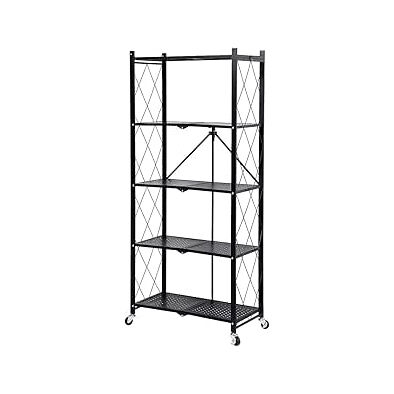
Living in rentals means needing storage that can expand, move around, and come with when we do. Folding shelf units work great in small studio spaces because they stack vertically and make good use of tight corners without—anything to walls. When several people share a place, the way these shelves break into separate pieces lets each roommate create their own section without messing up the whole setup or causing arguments over space. What really matters though is how easy they are to pack up. No tools needed, just snap apart in a few minutes so there's no damage to walls that might eat into security deposits something 78% of folks worry about when moving according to NMHC stats from last year. Plus the parts are light enough to carry and fit together the same way no matter where they end up. This kind of flexibility is why so many people who keep changing apartments, growing families, or working remotely from different locations find these systems so helpful.
Selecting the Right Folding Shelf: Materials, Weight Capacity, and Ease of Assembly
Choosing the right folding shelf hinges on balancing three core factors: material durability, load tolerance, and installation simplicity.
- Materials dictate longevity and performance: solid hardwoods like oak handle heavier loads than particleboard; metal frames offer industrial-grade strength for appliances or tools; moisture-resistant plastics or composites suit humid spaces like bathrooms or basements—but typically support lighter items.
- Weight capacity must exceed real-world needs: always verify the manufacturer's stated limit, and select units rated at least 30% above your expected load. For books, kitchen gear, or office equipment, prioritize ≥50 lb per-shelf capacity.
- Assembly ease is non-negotiable for renters: look for tool-free designs with snap-lock joints, pre-aligned components, and intuitive numbering. Systems requiring fewer than five steps cut setup time by 70% versus complex builds—reducing error risk and preserving walls.
