
 EN
EN



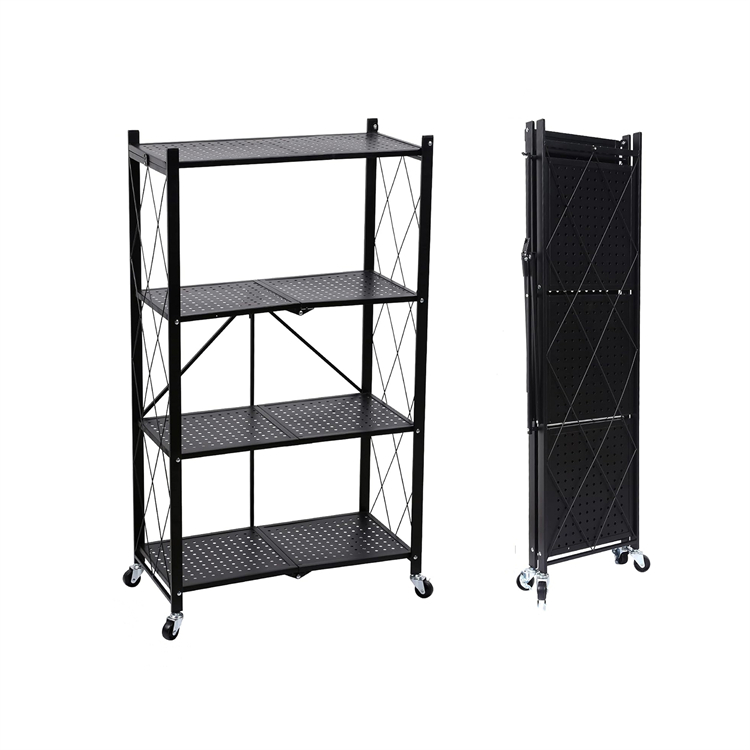
Why Steel Shelves Are the Benchmark for Heavy-Duty Storage
Steel shelving takes over most industrial and commercial storage spaces because it just holds up better than anything else when it comes to strength and what they can hold. Wood and plastic shelves simply cant handle the same kind of punishment. Steel units built with heavy gauge material can take on really heavy loads, sometimes as much as 2000 pounds per shelf, without bending out of shape or falling apart entirely. The reason these steel shelves last so long is pretty straightforward. They have those extra strong frames and get coated with powder finish that stops rust from forming even in places where moisture is always an issue. We see this all the time in warehouses storing automotive parts or tools where regular shelves would be completely destroyed after a few months.
Steel's natural toughness really boosts how much stuff can be stacked vertically without creating safety problems. Plastic and wooden storage racks tend to buckle when overloaded, which means they're at risk of collapsing completely if too many heavy items are placed on them. Warehouse managers know this all too well from experience with broken shelves and damaged goods. Steel structures hold up much better under weight because they don't bend or warp easily. The money saved over time adds up significantly since these metal racks last for years without needing repairs or replacement. Anyone running a facility that stores large items or industrial equipment quickly realizes why steel is practically the only viable option when balancing safety concerns, space utilization, and long term budget considerations.
Weight capacities vary by gauge thickness and design. Always verify specifications with manufacturers.
Key Types of Steel Shelf Systems and Their Best Applications
Cantilever Steel Shelves for Long or Bulky Items
Cantilever steel shelves feature vertical arms without front columns, creating unobstructed access for oversized items. This open-front design accommodates lumber, piping, or furniture up to 20 feet long. Their structural stability supports up to 4,000 lbs per arm, making them essential for construction supply yards and manufacturing facilities.
Pallet Racking Steel Shelves for Warehouse Efficiency
Pallet racking systems really make good use of vertical space thanks to those deep bays that let forklifts get right in there. The steel racks can take on some serious weight too, handling pallets that tip the scales at over 2,000 pounds per level. And warehouses save quite a bit of floor space too since these systems cut down on aisle width by about 30% when compared to regular shelving setups. For places where inventory moves fast, like distribution centers, having access to 95% of stored items is pretty important. That kind of accessibility makes all the difference during busy periods. The cross bracing in these frames does more than just look sturdy it actually stops loads from shifting around and helps facilities meet those OSHA requirements for safe heavy duty storage practices.
Adjustable Boltless Steel Shelves for Flexible Retail and Backroom Use
Boltless steel shelves work with those interlocking brackets and deck panels so anyone can adjust heights quickly without needing tools. Stores love how they let retailers create different compartments for displaying products just right. Plus, these shelves come with coatings that resist rust even when stored near damp areas behind counters. What makes them really versatile is their modular setup. Small shops with limited space can start simple, while bigger operations like pharmacies need something sturdier. Each shelf handles around 800 pounds worth of stuff without requiring bolts or anchors to secure them in place. Makes sense why so many businesses are switching over.
Critical Selection Criteria for Optimal Steel Shelf Performance
Selecting the right steel shelf system requires evaluating key engineering factors that impact safety, durability, and total cost of ownership. Overlooking these criteria risks premature failure, costly replacements, or compliance violations.
Load Capacity, Gauge Thickness, and Structural Integrity
Make sure the load ratings on storage systems actually match what's going to be stored there, especially when considering those heavier items that get moved around during restocking operations. The steel thickness makes a big difference in how strong the system will be. For most regular industrial settings, steel between 12 and 16 gauge works fine. But if dealing with really heavy stuff over 1,000 pounds per shelf, then look for something stronger like 7 to 11 gauge steel. When shopping for these systems, pay attention to designs that don't require bolts but still have solid upright supports and good cross bracing across the frame. This helps keep things from bending too much under weight. Anything that bends more than 1 out of every 180 inches along its length might start causing problems with overall stability according to research from Material Handling Institute back in 2023.
Corrosion Resistance and Surface Finish Options
Choose coatings based on environmental exposure:
- Powder-coated finishes (epoxy/polyester) resist chemicals in warehouses
- Hot-dip galvanizing protects against humidity in unheated storage
-
Stainless steel (304/316 grade) prevents rust in food and pharmaceutical settings
Avoid thin electroplated zinc in high-moisture areas—it degrades three times faster than hot-dip galvanized steel in salt-spray testing (ASTM B117-19).
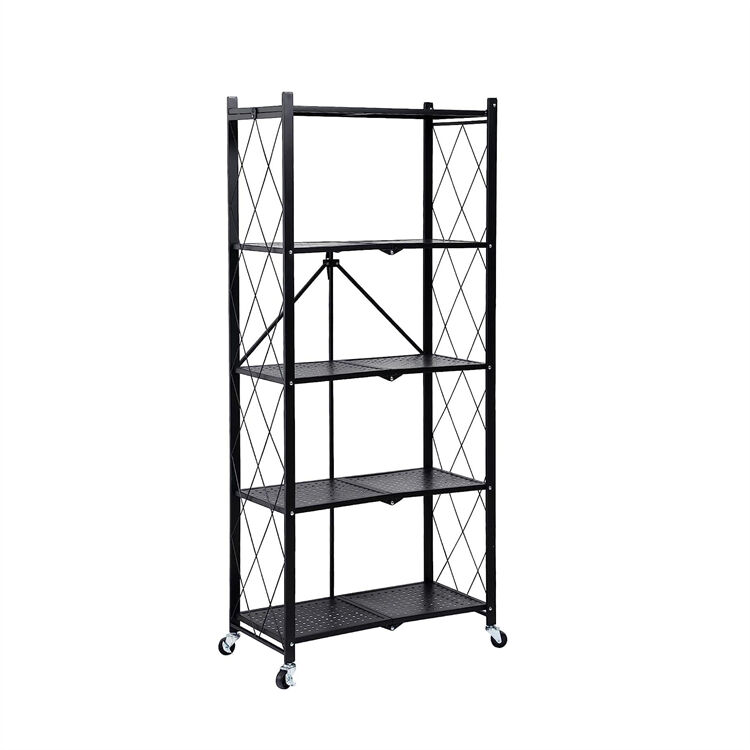
Installation, Maintenance, and Lifecycle Cost Advantages of Steel Shelves
Steel shelves bring real benefits when it comes to how fast they go up, how little upkeep they need, and saving money over time. The boltless design means anyone can put them together pretty quick without needing fancy tools. Warehouses love this because they can rearrange storage setups on short notice when business demands change. When it comes to keeping these shelves clean, steel has a big advantage. The material doesn't absorb dust like other materials do. Just a regular wipe down with standard industrial cleaner keeps them looking good. No need for expensive maintenance treatments that wooden or plastic shelves often require. Facility managers know this saves both time and money in the long run compared to those alternative materials that tend to wear out faster.
Looking at the whole picture makes steel look pretty good economically speaking. Sure, the upfront costs might be higher compared to some alternatives, but what steel gains back is its incredible longevity lasting well beyond two decades in most cases. Over ten years alone, this can slash what companies spend overall by around 35 to 40 percent simply because there's no need for constant replacement parts. And let's not forget about those special coatings they apply these days. Powder coating works wonders against rust and wear, especially when equipment sits in damp areas or gets exposed to harsh chemicals regularly. A factory floor manager once told me how much money they saved after switching to powder coated steel components instead of cheaper alternatives that needed replacing every couple of years.
FAQ
What are the main advantages of steel shelves over other materials?
Steel shelves provide superior strength, longer lifespan, and resistance to bending and rust, making them ideal for heavy-duty storage compared to wood and plastic materials.
How do I determine the correct gauge of steel for my shelving needs?
The required gauge depends on the weight loads the shelves will support. Generally, 12 to 16 gauge is suitable for standard industrial uses, while 7 to 11 gauge is recommended for extremely heavy loads.
What are the benefits of using boltless steel shelves?
Boltless steel shelves allow for easy height adjustments and modular setups without tools, making them perfect for versatile retail displays and backroom storage.
How does powder coating benefit steel shelves?
Powder coating provides a durable surface that resists rust and wear, especially important for shelves exposed to moisture or chemicals, prolonging their lifespan significantly.
