
 EN
EN



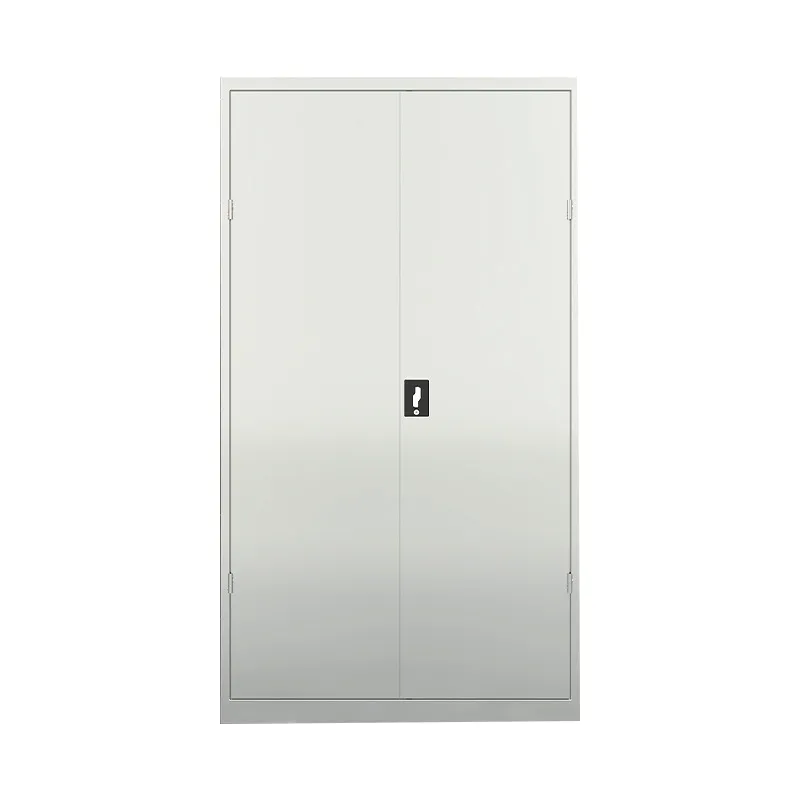
Durability and Long-Term Reliability of Metal Cabinets
From heavy-duty manufacturing floors to bustling office mailrooms, storage units must absorb daily impacts, load shifts, and environmental stress without compromise. Metal cabinets—fabricated from cold-rolled steel or reinforced aluminum—deliver structural toughness that wood, plastic, or composite alternatives simply cannot match. A well-engineered steel cabinet resists denting, warping, and frame deformation even when fully loaded with tools, parts, or document archives.
Real-world performance data confirms this resilience: the Material Handling Industry of America (MHIA) reports that properly maintained steel cabinets retain full functionality for 20 to 30 years—double the lifespan of mid-grade wood or polymer systems (MHIA, 2022). That longevity stems not just from thick-gauge metal, but from inherent material properties and protective engineering. Powder-coated finishes seal the surface against moisture, mild acids, and alkaline cleaners, preventing rust in untreated steel. Meanwhile, the non-porous surface eliminates risks of mold, mildew, or insect infestation that degrade organic or porous materials.
For facility managers, this translates into virtually zero structural maintenance. There are no splinters to sand, no swollen panels to replace, and no cracked plastic joints to reinforce. A simple wipe-down restores appearance and function after years of use—making metal cabinets a predictable, low-intervention asset that safeguards inventory while reducing total cost of ownership over decades.
Fire Resistance, Security, and Compliance Advantages
Metal cabinets provide a critical safety margin through innate fire resistance—unlike wood or plastic units, which can fuel a blaze. Steel is non-combustible and, when engineered to ASTM E119 standards, can serve as a verified fire-separation barrier. These tested cabinets help contain fires at their point of origin, preserving vital records and equipment long enough for suppression systems to activate. As passive fire-protection elements, they directly support facility-wide risk management—reducing potential downtime and property loss.
Security is equally foundational. Heavy-gauge steel construction resists forced entry far more effectively than laminate or polymer alternatives. Integrated locking mechanisms—from keyed locks to electronic access controls—deter unauthorized access to tools, sensitive documents, or hazardous materials. In industrial settings, where theft or tampering can trigger safety incidents or production delays, this physical hardening is essential.
Regulatory alignment further strengthens the value proposition. Documented fire-resistance ratings satisfy requirements in the International Building Code (IBC) and NFPA standards, while secure, lockable designs support OSHA mandates for storing flammable liquids or controlled substances. This built-in compliance simplifies inspections, lowers regulatory risk, and often qualifies facilities for more favorable insurance terms—consolidating fire safety, physical security, and code adherence into a single durable asset.
Optimizing Workflow with Customizable Metal Cabinet Solutions
A well-organized workspace directly impacts operational speed and employee focus. Metal cabinet systems eliminate clutter, transforming chaotic storage areas into streamlined hubs. By tailoring storage to specific tasks—whether tool staging, document archiving, or hazardous-material containment—businesses cut retrieval time and reduce workflow interruptions. Adaptable designs allow for quick reconfiguration as needs evolve, ensuring storage actively supports productivity rather than hindering it.
Modular Configurations for Dynamic Spaces
Modular metal cabinets excel in fast-paced environments where layouts must adapt rapidly. Adjustable shelving, removable dividers, and mobile bases let teams create task-specific zones on demand. On a production line, for example, a cabinet can be repositioned to hold tools at the point of use—shaving seconds off each cycle. Automotive and manufacturing operations benefit significantly, as modular setups accommodate equipment of varying sizes without costly renovations. The result is a workspace that adapts in hours—not days.
Integration with Facility Management Systems
Modern metal cabinets integrate seamlessly with digital asset tracking via barcode labels or RFID tags. When linked to facility management software, each item’s location updates in real time—preventing duplicate orders, misplacements, and inventory loss. Staff can scan a cabinet code to instantly verify stock levels, eliminating manual counts. This integration delivers a clear audit trail and frees supervisors to focus on strategic priorities. Ultimately, the metal cabinet evolves from passive storage into an active node in a smarter, more responsive operational ecosystem.
Total Cost of Ownership: Why Metal Cabinets Outperform Alternatives
Focusing solely on upfront purchase price obscures the true financial picture. While metal cabinets may carry a higher initial cost than wood or plastic alternatives, their long-term value quickly offsets that difference. According to the National Association of Home Builders, a quality metal storage cabinet remains functional for over 20 years with basic care—whereas wood and plastic units often warp, crack, or degrade within half that time. This durability eliminates recurring replacement costs and associated operational downtime.
Maintenance demands tilt decisively toward metal: a simple wipe-down sustains appearance and integrity, while wood requires periodic sealing or treatments to resist moisture and pests—and plastic suffers from UV fading and brittleness, leading to frequent discard cycles. Resale value also favors metal: its reputation for reliability commands stronger residual value during upgrades or liquidations. And because steel is 100% recyclable, disposal carries minimal environmental or financial penalty—supporting both sustainability goals and lifecycle economics.
Over a decade, cumulative savings from avoided replacements, near-zero upkeep, and end-of-life recyclability make the metal cabinet not just a purchase—but a strategic investment that consistently outperforms cheaper alternatives on both operational and financial metrics.
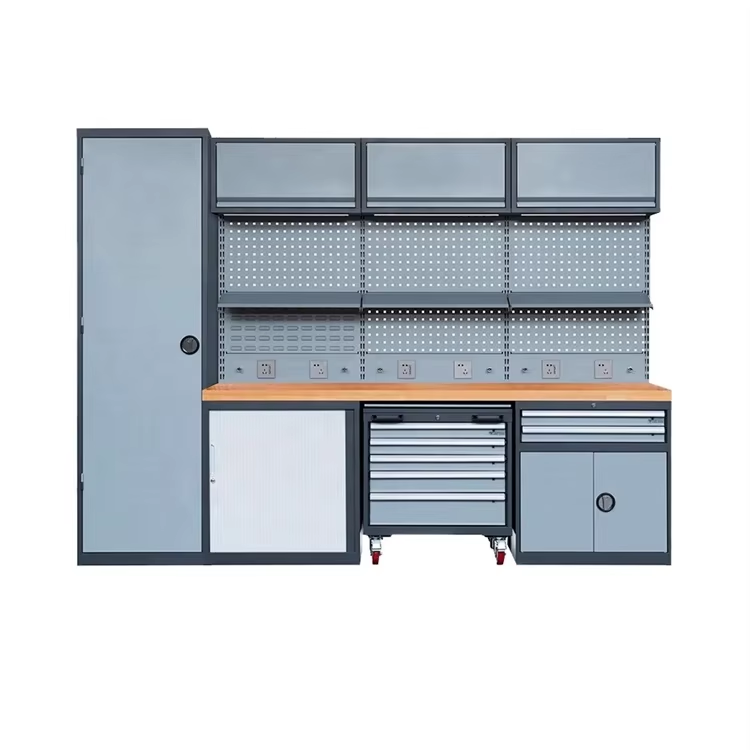
FAQ
What makes metal cabinets more durable than other materials?
Metal cabinets, typically made from cold-rolled steel or reinforced aluminum, are structurally tougher compared to wood, plastic, or composite materials. They resist denting, warping, and frame deformation even under heavy load.
How long do metal cabinets typically last?
According to industry reports, properly maintained metal cabinets can remain functional for 20 to 30 years, which is significantly longer compared to mid-grade alternatives made from wood or polymer materials.
Are metal cabinets resistant to fire?
Yes, metal cabinets are non-combustible and can be engineered to ASTM E119 standards to provide fire-separation barriers, helping contain fires at their point of origin.
Can metal cabinets be customized for specific needs?
Metal cabinets can be tailored with modular design features like adjustable shelving, removable dividers, and mobile bases to suit various operational needs efficiently.
Is it expensive to maintain metal cabinets over time?
No, metal cabinets require minimal maintenance, usually just a simple wipe-down. They do not need sealing or special treatments like wood or plastic alternatives.
Are metal cabinets eco-friendly?
Yes, steel used in metal cabinets is 100% recyclable, making them a sustainable and environmentally-friendly choice.
