
 EN
EN



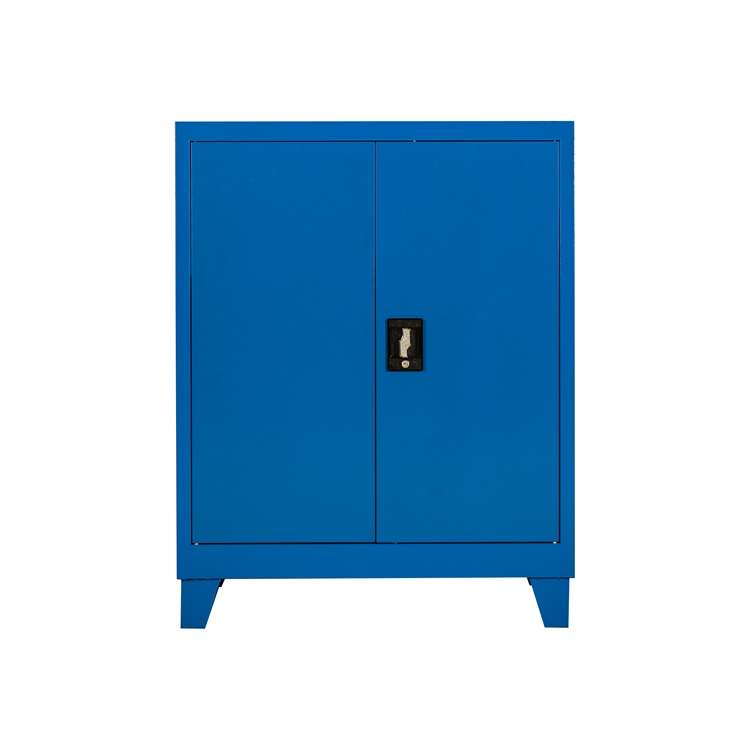
Why Investing in a High-Quality Tool Cabinet Is a Smart Long-Term Investment
A veteran mechanic with twenty years in the trade once told me: "A cheap cabinet just stores your tools. A great one honors them." That single sentence captures the profound difference that quality makes when it comes to tool storage.
A Costly Lesson from the Shop Floor
Several years ago, I helped a friend who runs an auto repair shop select new tool cabinets. Working with a tight budget, we opted for an attractively priced "economy" line. Initially, everything seemed fine. But within six months, the problems began accumulating. Drawers that once slid smoothly became stubborn and jerky. A drawer loaded with heavy impact sockets deformed at the slides and eventually derailed completely—sending thousands of dollars worth of tools crashing to the concrete floor. Wrenches were chipped, sockets scattered, and trust in the storage system was shattered.
Worse still, failing locks turned the cabinet into a communal free-for-all. Tools went missing with alarming regularity, and technicians spent more time hunting for misplaced equipment than actually working on vehicles.
We eventually replaced those units with premium-grade cabinets from a trusted manufacturer. Five years later, even under continuous heavy use, those drawers still glide effortlessly. That expensive lesson taught me a fundamental truth: a tool cabinet is never merely a box. It is a productivity tool, a protector of valuable assets, and a cornerstone of professional efficiency.
1. Structural Integrity: You Get What You Pay For
The fundamental difference between budget and premium tool cabinets lies in the tangible quality of materials and construction.
Steel Thickness Sets the Foundation
Low-cost cabinets typically rely on 0.6mm to 0.8mm sheet steel. While adequate for light-duty storage, they are prone to racking, twisting, and drawer sagging when loaded with professional-grade tools. Premium manufacturers, by contrast, specify 1.2mm to 2.0mm cold-rolled steel for primary structural components.
Industry leader Snap-on, for example, uses 14-gauge steel (approximately 1.9mm) in many of its flagship products. This material choice enables total load capacities measured in thousands of kilograms and ensures the cabinet remains square and functional for decades, not just a few years.
Drawer Slides Are the "Knees" of the Cabinet
The slides endure the most frequent and demanding use. High-end cabinets are equipped with heavy-duty ball-bearing slides, each rated to carry 45 to 100 kilograms or more. These slides also offer 100% extension, providing complete access to tools stored at the back. Budget alternatives use inferior roller or plain bearing slides that bind under load, wear quickly, and can fail catastrophically.
Surface Finish Dictates Long-Term Appearance
A quality powder-coated finish does more than look good. It resists oils, solvents, and impacts, and provides a robust barrier against rust and corrosion. A technician working in a coastal environment shared his experience: his inexpensive cabinet began showing rust bubbles within two years, while a premium unit purchased at the same time remained pristine.
2. A Tale of Two Lifespans
The service life difference is stark:
| Feature | Budget Tool Cabinet | Premium Tool Cabinet |
|---|---|---|
| Primary Steel Thickness | 0.6–0.8 mm | 1.2–2.0 mm |
| Drawer Load Capacity | 10–25 kg | 45–100+ kg |
| Finish Type | Basic spray paint | Durable powder coat |
| Caster Material | Plastic / light steel | Industrial steel with brakes |
| Expected Service Life | 2–5 years | 10–20+ years |
While the upfront cost of a premium cabinet ($800–$3000+) is significantly higher than a budget option ($200–$400), the annualized cost over its useful life is remarkably similar. More importantly, a reliable cabinet supports a career, while a cheap one is a recurring expense.
3. Efficiency: Time Is Money
A tool cabinet is, at its core, a productivity enhancement device. Research consistently shows that organized tool storage dramatically reduces the time spent locating equipment. For a professional technician, that time saving translates directly into increased billable work and higher income.
-
Rapid Retrieval: Full-extension drawers and intelligent compartmentalization put every tool within immediate reach.
-
Tool Protection: Foam liners, dividers, and proper segregation prevent impact damage and corrosion. Organized storage also makes it instantly obvious when a tool is missing, reducing loss and theft.
-
Professional Presentation: A clean, orderly workspace communicates competence and inspires customer confidence. Would you trust your vehicle to a shop where tools are strewn haphazardly?
4. Calculating the Return on Investment
Viewing a premium cabinet as a capital asset rather than an expense clarifies its financial value.
-
Asset Protection: A single high-quality torque wrench or specialized socket set can cost hundreds of dollars. Damage or loss due to inadequate storage quickly exceeds the price difference between cabinets.
-
Reduced Replacement Costs: Tools stored safely last longer. The cabinet itself does not need periodic replacement.
-
Efficiency Gains: Saving just 15 minutes per day in tool retrieval accumulates to over 90 hours annually. That is time that can be redirected to productive work.
Josh Holley, Product Manager at SUNEX, succinctly stated the principle: "When tools are properly stored, they are less likely to be lost or damaged, reducing the need for replacement and repair."
5. Security and Professional Identity
In shared workshops or mobile service environments, security is paramount. Premium cabinets integrate robust locking systems, including central locking mechanisms and even electronic locks, protecting valuable tools from theft and reducing liability.
Furthermore, the cabinet becomes an extension of the professional's identity. Customization options—from brand colors to personalized badging—are common. A well-appointed, color-coordinated tool cart is often a source of pride and a silent statement of expertise.
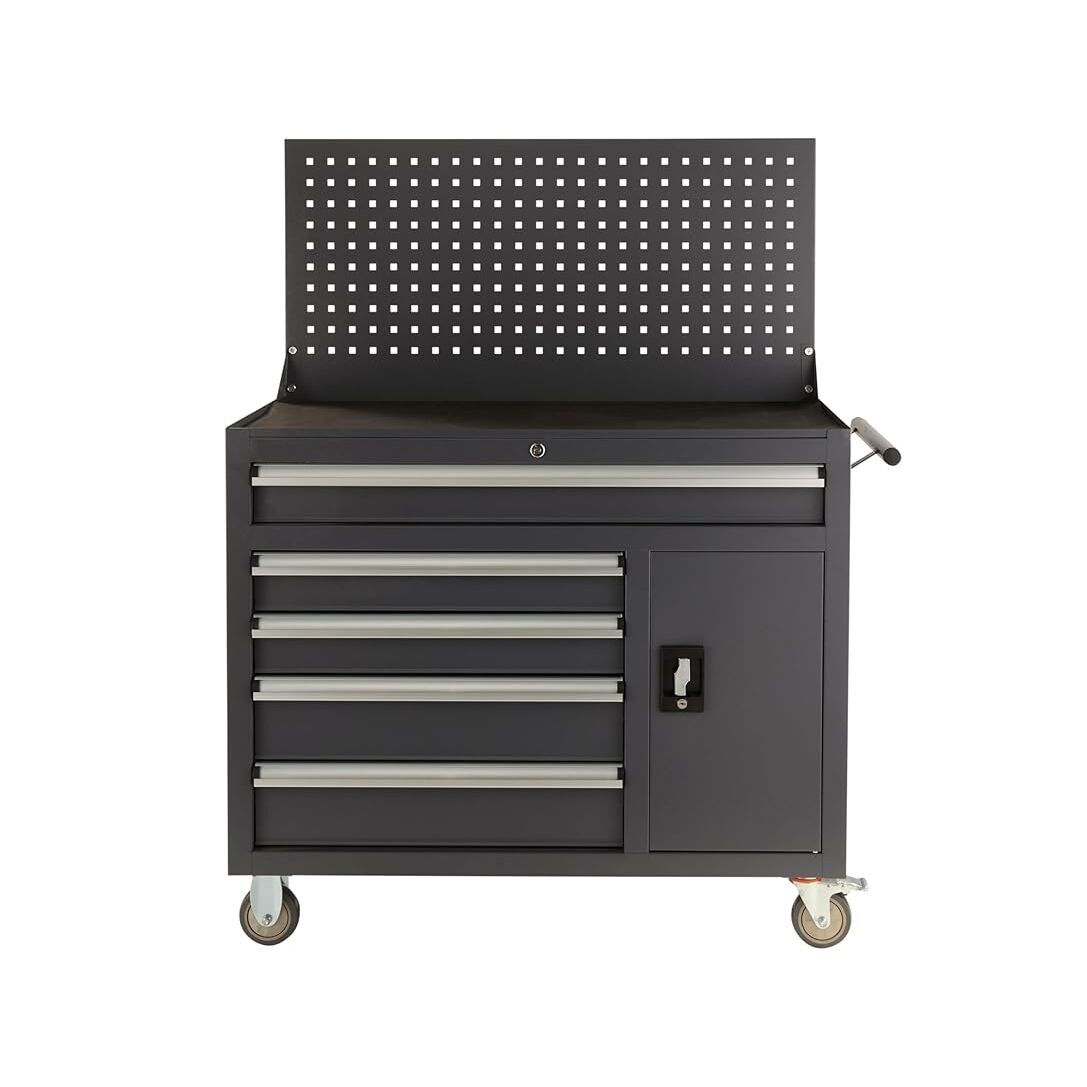
6. Evolving from Storage to Mobile Workstation
Modern tool storage has evolved dramatically. Key trends include:
-
Modularity: Systems like Milwaukee's PACKOUT allow technicians to build custom stacks that adapt to changing job requirements.
-
Mobility: Heavy-duty casters and ergonomic handles transform stationary cabinets into mobile workstations, bringing tools directly to the task.
-
Integrated Technology: High-end models increasingly feature built-in charging stations for cordless tool batteries and even power outlets, further enhancing on-site capability.
These advancements amplify the value proposition, turning storage into a dynamic part of the workflow.
Who Benefits Most from a Premium Cabinet?
| User Profile | Investment Rationale |
|---|---|
| Professional Technicians (Auto, Manufacturing, Precision Machining) | Tools are used daily; reliability and efficiency are critical to income. |
| Skilled Tradespeople & Engineers | Daily dependence makes the low annualized cost a compelling value. |
| Serious DIY Enthusiasts | Quality tools deserve quality storage; the user experience is significantly enhanced. |
| Workshop & Facility Managers | Drives overall productivity, projects a professional image, and safeguards company assets. |
For the occasional weekend user, a mid-range cabinet may suffice. But for those whose livelihood depends on their tools, a premium tool cabinet is not an expense—it is an investment in productivity, security, and professional pride.
A final observation from the field: In North America, brands like Snap-on sell directly from "tool trucks," offering technicians financing plans for premium cabinets. The question is not why they are willing to take on that debt, but rather why they consider it essential. The answer, echoed by countless professionals, is simple: a great cabinet is a lifetime partner in the trade, and a tangible reflection of the pride you take in your work.
When your tools are organized, protected, and instantly accessible—when your workspace exudes capability—the original investment fades into insignificance, leaving only the daily dividend of professional-grade performance.
Table of Contents
- Why Investing in a High-Quality Tool Cabinet Is a Smart Long-Term Investment
- A Costly Lesson from the Shop Floor
- 1. Structural Integrity: You Get What You Pay For
- 2. A Tale of Two Lifespans
- 3. Efficiency: Time Is Money
- 4. Calculating the Return on Investment
- 5. Security and Professional Identity
- 6. Evolving from Storage to Mobile Workstation
- Who Benefits Most from a Premium Cabinet?
