
 EN
EN



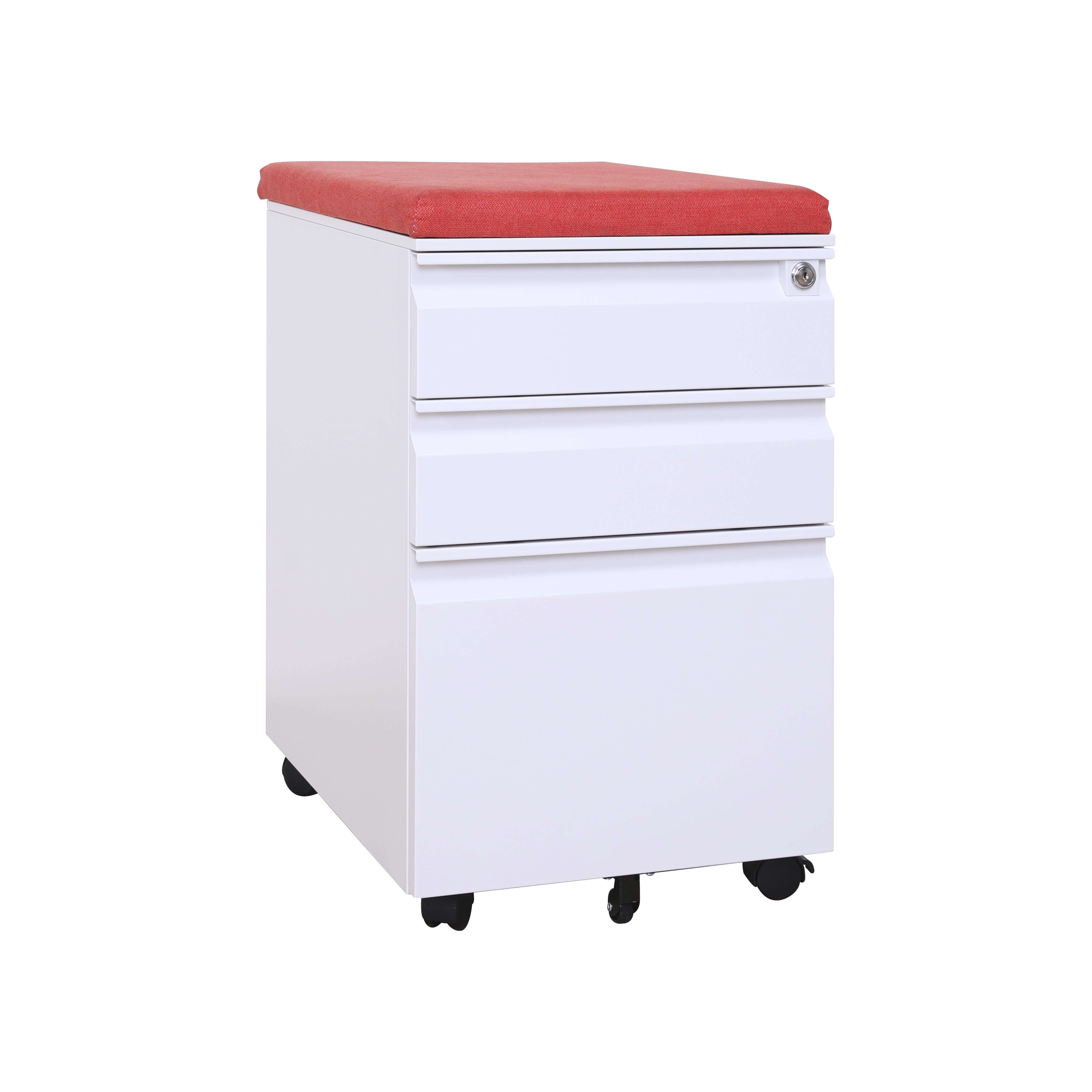
Central Locking Systems: Unified Control for Multi-Drawer Filing Cabinets
How Rod- and Gear-Based Central Locks Synchronize All Drawers
Central locking systems based on rods work by connecting steel linkages that move both up and down and side to side when someone turns the key. These movements pull back all the drawer latches at once thanks to a special cam mechanism. Another option uses gears instead, where turning force gets passed from drawer to drawer through carefully designed teeth that fit together just right. What makes these systems great is their single action security feature. With just one full turn of the key, every compartment locks or unlocks within about three quarters of a second. This eliminates those annoying situations where someone forgets to lock a specific drawer, leaving parts of the cabinet vulnerable. Maintenance requirements differ between the two types though. Rod systems tend to need occasional realignment checks as furniture settles over time. The gear versions generally last longer but should get lubricated twice a year to keep them running smoothly, especially important for cabinets holding lots of paperwork or other heavy items.
Security Ratings, Tamper Resistance, and Common Weaknesses in Commercial Filing Cabinet Designs
Most commercial filing cabinets meet UL security standards set by Underwriters Laboratories. The basic Class 1 rating just stops casual thieves, whereas Class 3 cabinets can actually stand up to serious attempts at breaking in. High end models come equipped with special features like boron alloy plates that make drilling difficult and rotating pins that prevent snap attacks from working. But according to recent security audits, around two thirds of all cabinets that were breached had weaknesses that weren't obvious at first glance. Thin metal sides below 18 gauge tend to collapse when someone pries them open. Locks that aren't properly protected are vulnerable to those bump key tricks we hear so much about these days. Even worse, many drawers start to warp after being loaded with over 120 pounds worth of documents, which creates small gaps between components where thieves can insert shims. If security matters, look for cabinets featuring multiple locking points and welds that run continuously without breaks.
Mechanical Locking Mechanisms in Traditional Filing Cabinets
Cam Locks and Sliding Tooth Systems: Durability and Real-World Failure Modes
Cam locks—the most widely used mechanical solution—rely on rotating metal cams to secure drawers. In quality cabinets, they withstand 10,000+ operational cycles, but exhibit critical failure modes under stress:
- Material fatigue from repeated overloading beyond 100kg capacity
- Tooth misalignment caused by frame warping or impact damage
- Forced entry, exploiting the 1.5mm average gap tolerance between components
Field studies show 62% of mechanical failures originate at the cam-rotor junction, where brass components wear three times faster than steel in high-humidity environments. These vulnerabilities necessitate quarterly inspection cycles in commercial settings.
Cylinder Lock Variants (Pin Tumbler, Tubular) — Key Control and High-Traffic Reliability
Pin tumbler mechanisms—using 5–7 precision-cut pins to block unauthorized rotation—dominate traditional cabinet security. Their primary weakness is unrestricted key duplication via standard keyways. Tubular variants mitigate this risk with circular pin arrangements requiring specialized cutting equipment, reducing duplication likelihood by 78% according to physical security audits.
In high-traffic environments:
- Pin tumblers maintain reliability through 50+ daily cycles when lubricated quarterly
- Tubular locks extend service life by 40%, though maintenance complexity increases
- Both suffer 90% failure correlation with particulate contamination, warranting annual internal cleaning
Reliability trade-offs are notable: pin tumblers resolve 85% of jams through field service; tubular locks require manufacturer-certified technicians for 60% of repairs.
Smart Locking Solutions for Modern Filing Cabinets: Electronic and Biometric Options
Keypad and RFID Filing Cabinet Locks — Audit Logging, Battery Life, and Integration with Facility Access Systems
Electronic locks using keypads and RFID technology get rid of problems associated with traditional keys and let administrators set specific access permissions for different users. The keypad variety lets people enter custom PIN codes, whereas RFID versions work with those little proximity cards or fobs that people carry around. These systems also keep detailed records of when doors are accessed, which is super important for meeting regulatory requirements and looking into security incidents later on. Most batteries last between twelve to eighteen months before needing replacement, and they usually give warnings when power gets low. However, these locks don't perform so well in really hot or cold environments. What makes them particularly valuable is how they fit right into existing building security networks. This means all credentials can be managed from one central location instead of having to manually track who has access to what areas throughout the facility.
Biometric Locks on Filing Cabinets: Accuracy Limits, Environmental Constraints, and User Enrollment Best Practices
Fingerprint scanners offer hands-free entry convenience, though they do come with their share of real world issues. Studies show around 2% false rejection rate which can really slow things down in busy office environments where people are constantly coming and going. The sensors just don't work so well when there's dust buildup on them, or when someone has particularly dry hands after washing, plus humidity fluctuations mess with accuracy too. For better results, it helps to register each finger from several different angles maybe three to five times during initial setup this captures more complete biometric information. Keeping those sensors clean regularly makes a big difference, and running them in spaces with stable humidity levels tends to keep them performing reliably over time.
Selecting the Right Locking Mechanism for Your Filing Cabinet Use Case
Picking the right locking system means weighing several important factors together: how sensitive the documents are, how many people need access, where it will be installed, and what regulations apply. When dealing with super secret stuff like bank statements or patient records, electronic locks that keep track of who accesses what really cut down on all the hassle of managing keys in places with lots of users. They also let managers know exactly who had access when. High traffic office buildings often stick with old fashioned pin tumbler locks because they last forever according to industry tests (over half a million cycles). But these mechanical locks don't tell anyone who opened them later. Temperature and dirt levels make a big difference too. Biometric scanners start acting funny when temps drop below 15 degrees Celsius or dust builds up around them, which is why many factories still prefer good old metal locks. Companies watching their bottom line can satisfy those pesky HIPAA and GDPR requirements for securing sensitive paper work with simple cam lock systems instead of spending extra on electronics. These basic locks provide adequate protection while saving around 40 percent compared to fancy digital options.
| Selection Factor | High-Security Recommendation | Cost-Effective Alternative |
|---|---|---|
| Confidentiality Level | Biometric/Electronic with audit | Centralized cam-lock system |
| User Volume | RFID/keypad (individual codes) | Sliding tooth mechanism |
| Environment | Reinforced mechanical cylinders | Basic pin tumbler (indoor) |
| Compliance Needs | FIPS 201-validated systems | ANSI/BHMA Grade 2+ certified |
