
 EN
EN



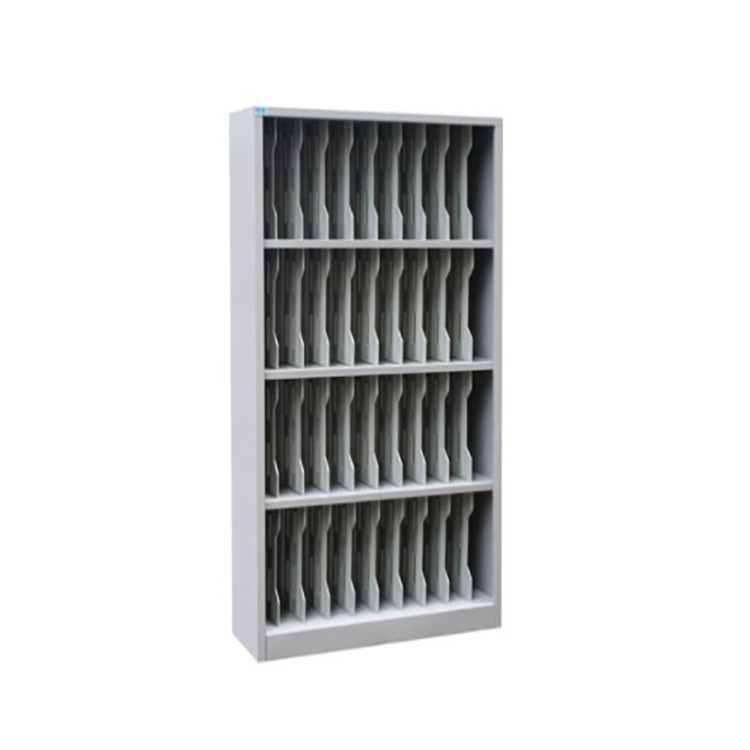
Measure and Analyze Your Office Space Constraints
Accurate Floor Dimensions, Clearance Zones, and Workflow Path Requirements
Start by getting accurate measurements of the office floor space with a good quality laser measuring tool. When planning out the layout, it's important to leave enough room for people to move around comfortably. Main walkways should be at least 36 inches wide according to accessibility guidelines, while secondary paths need about 24 inches of clear space. Take note of where employees tend to congregate and move throughout the day. Watch those busy spots between workstations, printers, and conference areas so we can avoid creating traffic jams later on. Filing cabinets are another consideration - make sure when they're open, nobody gets stuck trying to pass through. Many businesses find themselves rearranging their spaces pretty often these days. The International Facility Management Association reported back in 2023 that nearly three quarters of companies adjust their furniture setup every year. Going with modular arrangements makes sense if we want our office to stay functional even as needs change over time.
Door Swings, Chair Movement, and Adjacent Furniture Interference Checks
Test door arcs in all positions—a standard 90-degree swing requires 30 inches of clearance. Simulate chair movement: rolling chairs need 42 inches behind desks for ergonomic pivoting. Place filing cabinets away from radiator vents or electrical panels, as heat exposure warps paper storage. Verify adjacent furniture compatibility:
- Lateral cabinets parallel to desks minimize protrusion
- Vertical units shouldn't block window access
Mobile units reduce interference risks by 68% in dynamic offices (FacilitiesNet 2023), enabling swift repositions during team reorganizations.
Select the Right Filing Cabinet Type for Your Spatial Needs
Vertical, Lateral, and Mobile Filing Cabinets: Footprint, Height, and Access Trade-offs
The old standbys are those vertical filing cabinets, usually around 15 inches wide and 28 inches deep. They stack up nicely against walls where space is tight, but workers need at least 24 to 30 inches of room upfront to get those drawers all the way out. Then there's the lateral ones, which measure somewhere between 30 and 42 inches wide and about 18 to 20 inches deep. These have wider, flatter drawers that glide right out with only 18 to 22 inches of space required. Great for busy areas where people need quick access from the side. Want something that moves around? Mobile filing units sit on wheels and can be pushed wherever needed, but they come at a cost. Most only carry one or two drawers max and barely fit underneath standard office desks. According to a recent 2023 study looking at how efficient workspaces actually are, teams using lateral cabinets spent 40% less time hunting for files compared to their vertical counterparts. However, if floor space matters most, vertical cabinets still beat them hands down, saving about 35% more square footage in smaller offices.
Space-Saving Options: Slim, Under-Desk, and Printer-Perch Filing Cabinets
When space is really tight, those super slim cabinets (less than 12 inches deep) can fit right next to door frames, and there are also models designed to sit underneath desks where nobody usually looks. Some printer perch styles come with flat tops that actually hold office gear, so no need for extra stands lying around. The trade off? These special cabinets store about half as many files compared to regular ones, but they do free up precious room elsewhere. A recent study found that small offices measuring just 150 square feet gained back roughly 22% more usable space after installing these compact storage options. And if someone wants to avoid drawers popping open unexpectedly in crowded areas, look for models with positive latches that keep things securely closed until intentionally opened.
Align Filing Cabinet Dimensions with Existing Office Infrastructure
Depth, Width, and Height Compatibility with Desks, Doorways, and Wall Niches
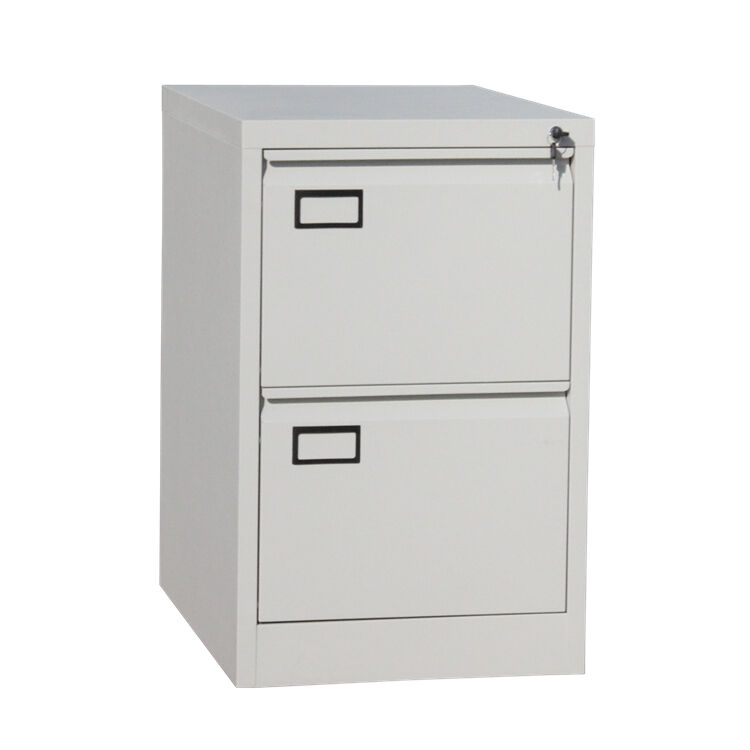
Getting the right size filing cabinet for your space matters a lot for keeping things running smoothly without wasting room. When it comes to depth, most vertical cabinets need around 25 to 28 inches of space so drawers can open all the way without bumping into desks or walls (according to Office Furnishings Report 2024). Doorway width is another consideration worth thinking about. Lateral file cabinets typically run between 30 and 36 inches wide, which means they might have to come apart piece by piece if hallway spaces are narrower than 40 inches. The height also plays a role in how much stuff fits inside and where it goes. Under desk options top out at about 29 inches tall, whereas those full height ones stretch up to 52 inches. So before making any purchases,
- Measure doorways and aisles with a laser measurer, accounting for hinge swing radii
- Map wall niches where cabinets could occupy unused spaces like alcoves
- Verify desk clearances—ensure 20+ inches of knee space remains when placing cabinets beneath work surfaces
Standard cabinet dimensions reveal key trade-offs:
| Cabinet Type | Avg. Depth | Avg. Width | Use Case Compatibility |
|---|---|---|---|
| Vertical (4-drawer) | 25–28" | 15" | Narrow walls, tight corridors |
| Lateral | 18–24" | 30–36" | Wide wall spaces, open floors |
| Mobile/Under-desk | ¬†¤24" | ¬†¤20" | Beneath L-shaped desks, corners |
Overlooking height compatibility risks obstructing windows, light switches, or HVAC vents—a leading cause of office reorganization costs (Facility Management Journal 2023). Always cross-reference manufacturer specs with your floor plan before finalizing any filing cabinet purchase.
Optimize Filing Cabinet Placement for Functionality and Space Efficiency
Where you put those filing cabinets makes all the difference between just storing stuff and actually getting work done faster. Put them close to where people spend most of their time so nobody wastes precious minutes hunting through papers. Some research claims workers lose around 4 hours every week looking for misplaced files according to that Office Efficiency Index report from last year. Don't forget about walkways either. Keep at least three feet clear between furniture and walls not only because it's required by law but also to avoid creating traffic jams when everyone rushes out at lunchtime. Small spaces need creative solutions too. Think about putting cabinets along side desks, in those awkward corners behind walls, or even under windows where sunlight won't fade anything. Corners are great spots for lateral file cabinets since they fit right into those wasted spaces without making anyone reach across the room. Before finalizing any arrangement, check how much room there is when chairs are pushed out completely and doors are wide open. A lot of folks skip this step, which leads to almost a third of all office redesigns as per Space Planning Journal findings. Lastly, position drawers away from busy spots near printers or coffee machines. Good planning means quick access without crowding valuable floor space.
