
 EN
EN



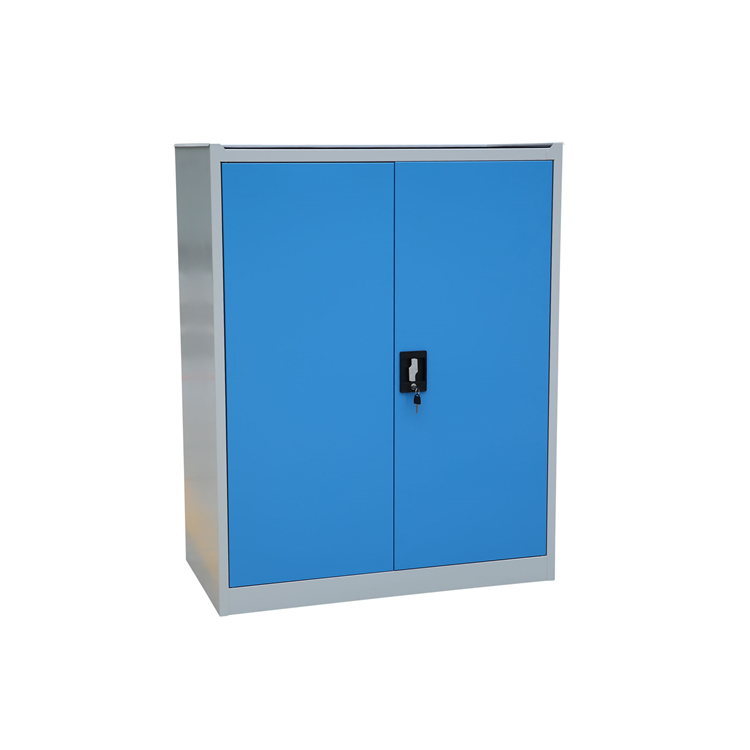
Superior Durability and Long-Term Cost Efficiency
Steel construction vs. plastic/composite alternatives under mechanical stress and heavy use
In industrial environments where cabinets get hit, shaken, and loaded down day after day, steel just beats out plastic and composite materials hands down. Steel doesn't bend, crack, or warp when subjected to impacts from machinery, vibrations from nearby equipment, or the weight of heavy tools and components. Plastic materials tell a different story though they tend to break down over time especially when exposed to continuous stress and eventually fail completely. Sure, plastic cabinets are lighter at first glance, but this advantage disappears fast because they need replacing so often. The downtime costs really add up over months and years. Metal cabinets hold up against forklift accidents, dropped tools, and all the wear and tear from workers accessing them multiple times throughout shifts. Real world data shows facilities switching to steel cabinets see around 60 percent reduction in yearly maintenance expenses versus what they paid for those composite alternatives. Makes sense when you think about it.
3x longer service life: validated by NSF/ANSI 2022 benchmarking data
Metal cabinets clearly outlast their plastic equivalents according to recent testing. According to NSF/ANSI standards from 2022, steel cabinets in places like restaurants, manufacturing plants, and laboratories tend to last about three times as long as plastic ones. A real world test tracked nearly 1,200 storage units across five years and discovered something interesting: most plastic cabinets needed replacing around year 2.3, whereas metal ones kept going past seven years with hardly any wear and tear visible. The difference in longevity makes a big impact on overall costs for facilities. Facility managers report savings of roughly $740,000 when they install 100 metal cabinets instead of plastic ones over ten years because there's less need to buy new units, pay for installations, and deal with disposal fees. These numbers come from research published by Ponemon in 2023.
Enhanced Security and Regulatory Compliance
OSHA- and NSC-aligned locking systems and access control integration
Security in industrial settings needs to be strong enough to safeguard expensive machinery and dangerous materials. Metal storage cabinets with proper OSHA and NSC certified locks keep people who shouldn't have access out, plus they work well with the overall security system throughout the building. Better lock systems now include things like fingerprint scanners and those RFID chips we see everywhere else. Take warehouses that store flammable stuff for instance. They often use special locks that hold onto keys when chemicals are being moved around. According to some recent data from NSC reports, this simple measure cuts down on accidental fires by about 40%. When these security features get built right into regular storage solutions, it turns ordinary cabinets into real security checkpoints. This not only helps companies stay compliant with regulations but also protects them from potential lawsuits down the road.
Pharmaceutical cleanroom case study: audit-trail electronic locks for traceable tool storage
For companies operating in highly regulated fields such as pharmaceutical manufacturing, keeping track of who accesses what equipment remains absolutely essential. Take one cleanroom recently certified under ISO 14644 standards - they installed these fancy microprocessor controlled locks on their metal storage cabinets because their old system had serious issues tracking tools. Now every time someone opens a drawer, the system records exactly when it happened and creates detailed reports automatically. These logs show precisely which employee accessed specific drawers at particular times, something regulators demand for proper GMP documentation. The implementation made a real difference in operations.
- A drop in unauthorized entries from 12 to 3 per week
- 65% reduction in audit preparation time
- Tool contamination incidents falling below 0.2% during FDA inspections
Handwritten logs—responsible for 72% of data integrity issues in 2022 quality audits—were eliminated entirely, proving electronic traceability essential for highly regulated storage.
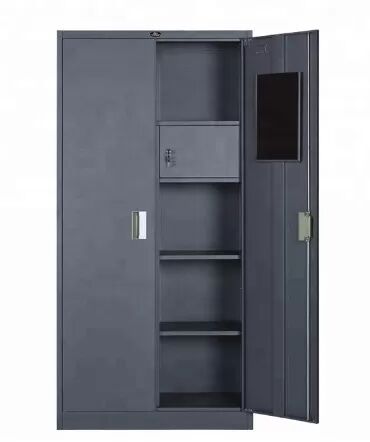
Critical Environmental Resistance: Fire, Moisture, and Corrosion
UL 72 Fire-Rated Metal Cabinet Performance in Food Processing Washdown Environments
Metal cabinets rated under UL 72 standards keep their shape even when exposed to intense heat, something regular cabinets just can't handle. These cabinets also stand up to the constant high pressure washing that goes on every day in food processing plants. What sets them apart from plastic or other non-metal options? They don't warp or break down when faced with steam cleaning, harsh chemical sanitizers, or those sudden temperature swings that go over 140 degrees Fahrenheit (around 60 Celsius). The way these cabinets are built without seams means there's nowhere for bacteria to hide, which is exactly what FDA and USDA inspectors look for during their inspections. According to Ponemon research from 2023, having one of these certified metal cabinets could save around $740,000 worth of equipment if a fire ever breaks out. And for facilities dealing with heavy duty cleaning protocols, the 316 grade stainless steel versions really shine since they resist corrosion from chlorine based cleaners far better than ordinary materials that typically start showing damage after just six months of use.
Stainless vs. Powder-Coated Carbon Steel: Corrosion Resistance Metrics for Marine and Chemical Zones
| Material | Salt Spray Resistance | Chemical Exposure Limit | Typical Service Life |
|---|---|---|---|
| 316 Stainless Steel | 1,000+ hours | Concentrated acids/alkalis | 20+ years |
| Powder-Coated Steel | 500–750 hours | Mild solvents | 12–15 years |
Stainless steel naturally stands up better against pitting when exposed to saltwater environments. Salt actually speeds up corrosion processes around seventeen times faster than what we see inland according to recent studies from NACE in 2023. Powder coating on carbon steel offers good value protection through those epoxy polyester layers, which can handle pretty high humidity levels reaching almost 95% relative humidity. But there's one catch these coatings need to stay undamaged for them to work properly. When looking at chemical storage areas specifically, different grades of stainless steel can handle really extreme pH levels ranging between 1 and 13. Meanwhile regular coated steel works fine for most applications where pH stays within the 4 to 10 range. The difference matters because equipment made with proper corrosion resistance lasts three times longer than those plastic cabinets commonly found in pharmaceutical warehouses, cutting down on maintenance costs significantly over time.
Design Flexibility and Space-Smart ROI Across Facilities
Metal cabinets offer serious design freedom when it comes to making the most of available space in both commercial and industrial settings. The steel frames can take all sorts of modular additions like adjustable shelves, sliding drawers, and those handy divider panels. These components make it easy to tweak setups as operations change over time without tearing things apart and rebuilding from scratch. What really stands out is how well they utilize vertical space. Many facilities report almost double the usable storage area within the same floor space compared to traditional setups, plus there's less wasted room between aisles that happens with fixed storage systems. From a financial standpoint, this kind of space optimization pays off big time. Companies can pack more equipment into smaller spaces, which cuts down on rental costs. Instead of completely replacing old storage when needs shift, they just rearrange what they already have. And let's face it nobody likes the chaos of moving everything around when reorganizing. Plus, according to recent NSF/ANSI 2022 tests, these metal cabinets last significantly longer than their counterparts. So rather than being another line item on the expense report, smart storage investments actually hold their value over time.
