
 EN
EN



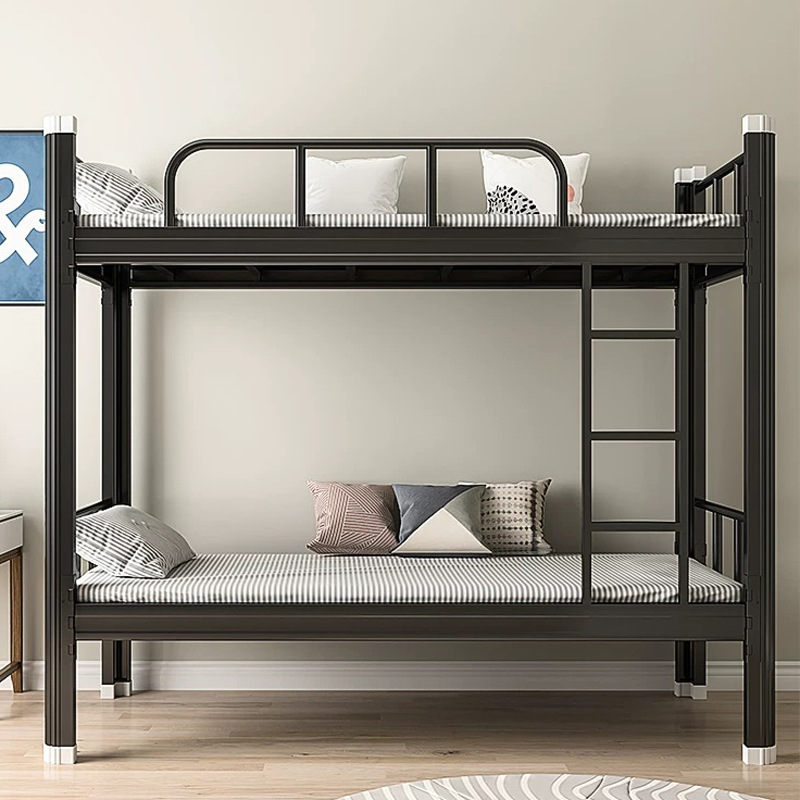
Unmatched Durability and Long-Term Structural Integrity
Steel’s superior tensile strength and fatigue resistance in high-traffic shared sleeping environments
Steel beds work really well in dorms and hostels because they just hold up better structurally. Steel has about 20 to 30 percent more strength than those commercial aluminum alloys, so the frames stay solid even when lots of students are sitting on them or moving around at once something that happens all the time in shared sleeping areas. The ability to withstand wear and tear matters a lot since these beds typically go through over 300 uses each year. Wood tends to crack and break down after repeated stress, but steel doesn’t show the same kind of damage buildup from constant impacts. That makes sense for schools and hostels looking to save money long term since steel beds last much longer without needing replacement, often staying functional for 5 to 10 years before showing significant signs of aging.
Minimal warping, squeaking, or joint failure compared to wood, particleboard, or aluminum alternatives
Student housing often faces serious problems when materials can’t handle the moisture levels. Particleboard is especially problematic as it soaks up humidity and swells by around 15% in volume, causing screws and nails to come loose after just a few months. Wood frames tend to warp all over the place when weight isn’t distributed properly, while aluminum tends to develop annoying squeaks wherever there’s stress. Powder coated steel tells a different story though. It stays stable even at 95% humidity levels. The welded cross supports mean we don’t have to rely on those joints that depend on fasteners which are actually one of the main reasons things fail. These structures operate quietly and reliably for well over 15 years, lasting about three times longer than what we see with particleboard options.
Enhanced Safety and Regulatory Compliance for Bunk and Loft Configurations
Load-Bearing Capacity and Stability Under Dynamic Multi-User Conditions
Steel beds really hold up well in those bunk bed setups and loft arrangements where people are constantly moving around, climbing on them, sitting down suddenly, and sometimes having someone sleep right on top while another person is getting ready below. The metal just doesn’t bend or warp over time like other materials might, so these beds stay solid even when they’re holding over 500 pounds from several people at once. Tests have shown that steel frames can take about three times the repeated weight stress compared to what particleboard frames handle before any real damage starts showing. This makes a big difference for safety issues that come up with regular use and all the different body weights that actually end up on these beds day after day.
Certified Adherence to ASTM F1427-22 and EN 747-1 Bunk Bed Safety Standards
Steel bed frames consistently exceed ASTM F1427-22 (U.S.) and EN 747-1 (EU) bunk bed safety requirements through purpose-built engineering:
- Guardrail integrity: 16-gauge steel rails prevent gaps exceeding 3.5", mitigating entrapment risks cited in 42% of wood bunk failures (Consumer Product Safety Commission, 2023)
- Anti-tip engineering: Wider base profiles and reinforced weld points resist tipping forces up to 250 lbf—surpassing standard test thresholds
-
Fall prevention: Powder-coated surfaces sustain consistent friction coefficients (µ ≥ 0.5) in humid conditions, reducing slip-related incidents by 31% versus lacquered alternatives
These features directly address the leading cause of dormitory injuries: top-bunk falls, which account for 78% of reported incidents in campus safety audits.
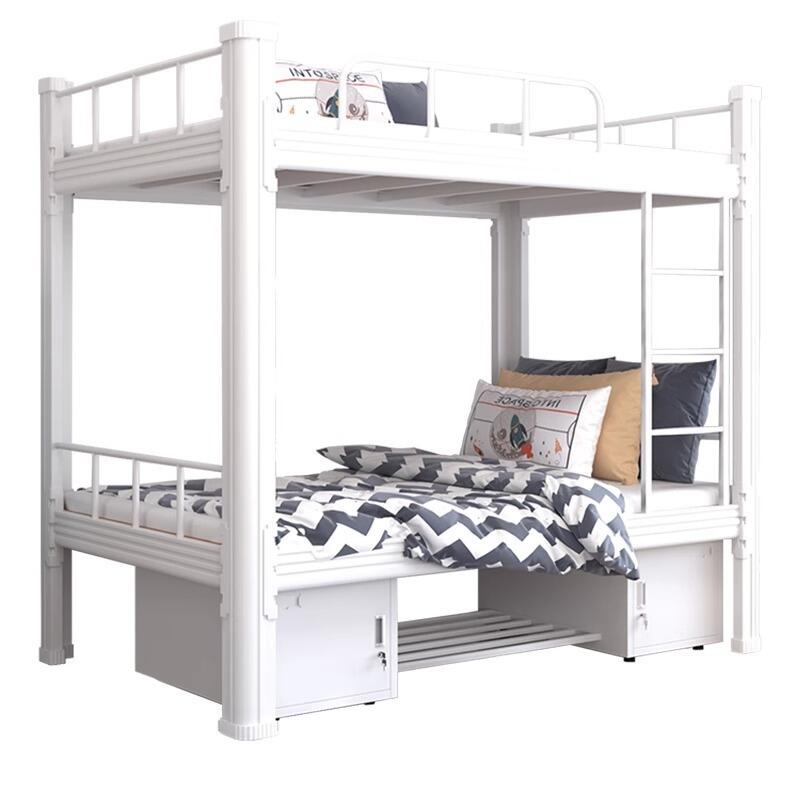
Hygienic Performance: Pest Resistance, Moisture Repellency, and Easy Disinfection
Non-porous steel surfaces inhibit bed bug harborage and simplify outbreak response
Steel has this great non-porous surface that basically gets rid of those tiny little hiding spots where bed bugs love to hang out and multiply. Wood and particleboard just aren’t cut out for this because they have all sorts of pores and gaps. When there’s an outbreak situation, steel surfaces can be cleaned really fast and thoroughly with strong hospital grade stuff without worrying about damaging the material itself. Facilities are actually spending around $740k each time they deal with a bed bug problem according to some research from Ponemon back in 2023. Plus, since steel doesn’t come with any seams or joints to catch dirt, and definitely no fabric parts involved, it just makes everyday cleaning so much easier for staff members who otherwise would be battling constant buildup issues.
Corrosion-resistant finishes ensure performance in humid, high-moisture hostel and dormitory environments
Powder coating and galvanizing offer excellent protection against spills and moisture from the air, which stops problems like rust spots, warped edges, and peeling layers that happen with wooden or laminated furniture over time. The coatings work pretty well at keeping mold and bacteria away from areas people actually touch, so the indoor environment stays cleaner overall. For homes near the beach or in humid regions, this kind of protection means these items can last for many years before needing to be replaced, unlike cheaper options that start deteriorating within just a few seasons.
Total Cost of Ownership Advantage for Institutional Procurement
Steel beds deliver measurable long-term savings for universities and hostel operators. While particleboard or wood-frame bunks typically require replacement every 3–5 years, welded steel frames reliably serve for 15+ years—even under intensive, round-the-clock use. This durability eliminates recurring procurement cycles and associated administrative overhead. Additional cost avoidance includes:
- Zero pest remediation: Non-porous construction prevents bed bug infiltration, eliminating extermination fees common with upholstered or composite alternatives
- Minimal maintenance: No bolt-tightening, joint reinforcement, or squeak mitigation is needed—cutting annual upkeep costs by 40% versus wooden bunks
-
Disinfection efficiency: Corrosion-resistant coatings withstand daily industrial-grade cleaning without degradation, extending functional lifespan
When evaluated over a full lifecycle, steel beds yield 65% lower total cost of ownership than traditional materials—aligning with strategic procurement frameworks that prioritize long-term value over initial price.
