
 EN
EN



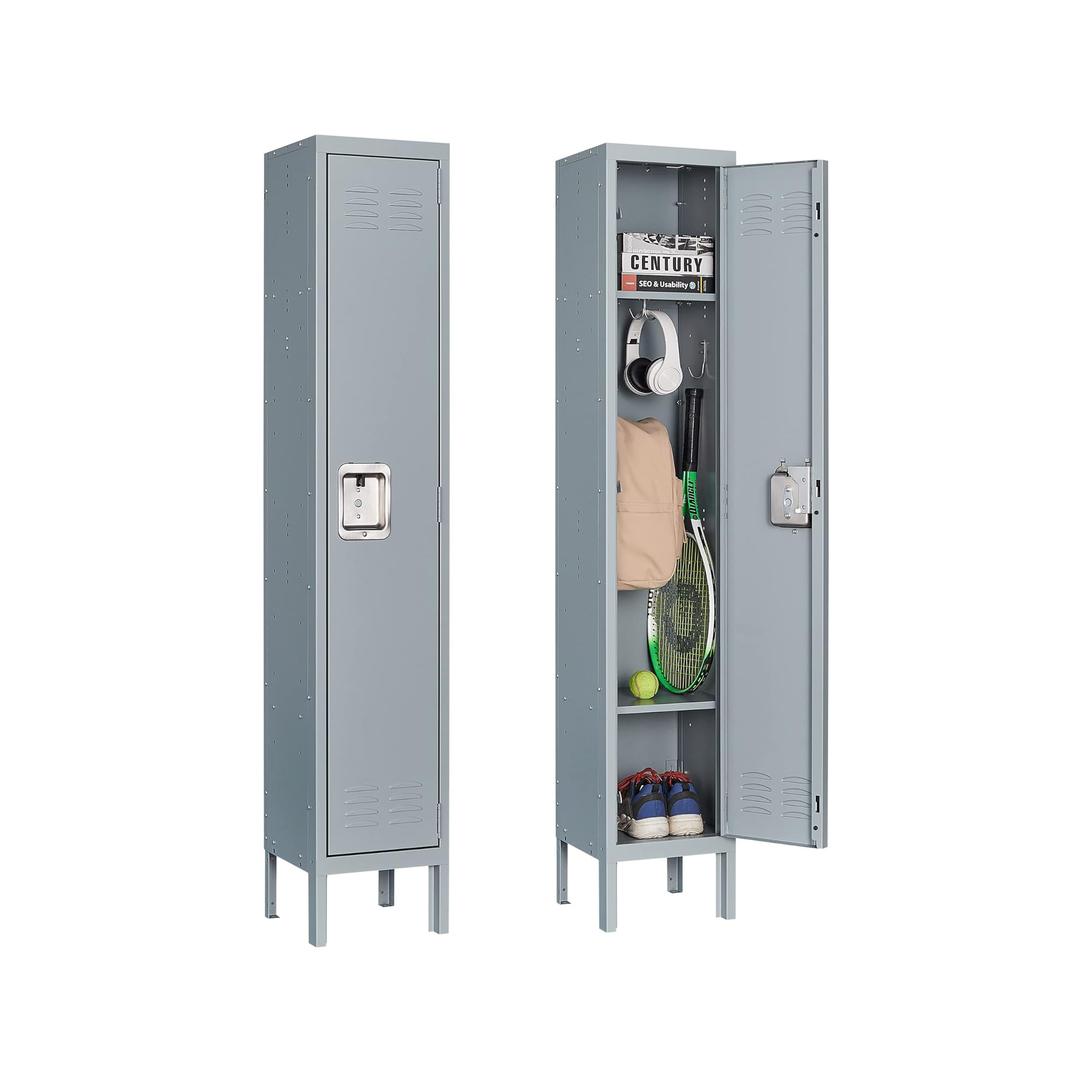
How Ventilation Holes Improve Comfort in Metal Lockers
Odour Control: Neutralizing Bacteria and Volatile Compounds Through Continuous Airflow
Holes in storage units let fresh air circulate constantly, which helps fight off bad smells before they get going. Stagnant air is basically a bacterial playground where microbes feast on leftover stuff from gym wear, uniforms, or whatever gets left behind in lockers. These little perforations mess with the bacteria's party plans, cutting down those gross musty smells by around 60% compared to totally sealed lockers we see in busy places like gyms and factories. The steady flow of air means clothes and equipment actually stay fresher longer between uses, so people aren't greeted by that awful locker room stench every time they open their storage space.
Moisture Management: Preventing Condensation, Dampness, and Mildew in High-Humidity Environments
Good ventilation helps stop moisture buildup, which is a big problem when temperatures keep changing and cause condensation in places with high humidity. When air moves through holes or gaps in walls and ceilings, it carries away the dampness left behind by wet towels, work clothes, and equipment. This process can cut down on indoor humidity levels quite a bit, maybe around half to three quarters depending on conditions. Less moisture means fewer issues with mold growing and materials breaking down over time. For businesses near the coast or next to swimming pools, proper airflow does more than just prevent rust on metal parts. It keeps storage areas clean and dry, so people don't have to deal with that uncomfortable sticky feeling that makes everyone want to leave the space.
Thermal and Psychological Comfort Benefits of Ventilated Metal Lockers
Heat Dissipation: Mitigating Heat Trapping in Dense Metal Locker Banks
The metal used for lockers conducts heat really well, which means when they're not properly ventilated, they tend to trap all that warmth coming off stored stuff like clean uniforms or electronic gear. This creates these little hot spots inside the locker banks that can be as much warmer as 10 degrees Fahrenheit compared to what's going on around them. When there are ventilation holes cut into the design, it helps create natural air movement so the trapped heat has somewhere to go. Facilities that have switched to ventilated metal lockers notice about a quarter fewer problems with things getting damaged by excessive heat. Putting those small holes in just the right places on both the top and sides makes all the difference for airflow. Good airflow stops plastic components from warping and keeps other sensitive materials from breaking down slowly over months and years of exposure.
Perceived Freshness and Hygiene: The Role of Airflow in User Confidence and Satisfaction
Airflow that keeps moving makes people feel better both in their bodies and minds. When folks can actually see the vents working, it tells them someone cares about keeping things clean. People worry less about bad smells hanging around or germs growing unchecked. We did some surveys at busy gyms where members come and go all day long, and almost seven out of ten said they trusted those metal lockers with holes in them more than the ones that are completely closed off. Why? Because air circulation does two main things at once. First, it brings down the moisture level so mold and bacteria don't get a chance to grow. Second, when fresh air moves through the space, it just feels cleaner somehow. Facility managers have noticed something interesting too. Places with good airflow tend to score about 19 points higher in customer satisfaction ratings. Plus, people actually follow the rules about where to put their stuff because they know the system works for everyone.
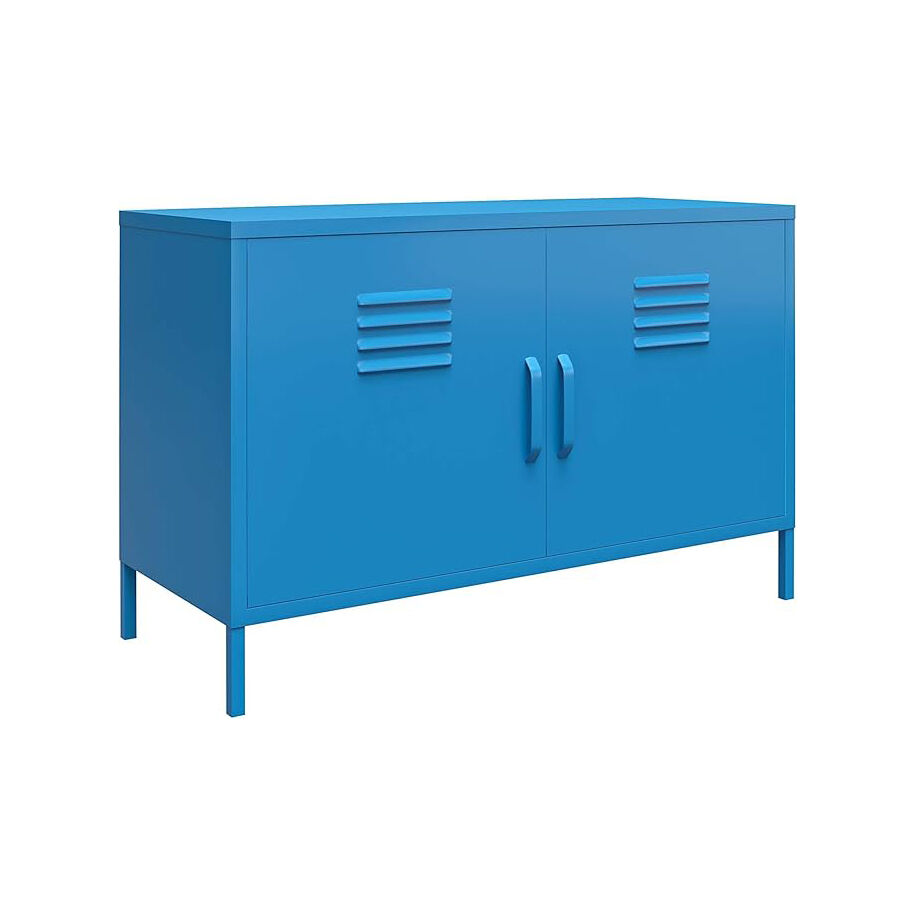
Design Options for Effective Ventilation in Metal Lockers
Louvres, Perforations, and Wire Mesh: Balancing Airflow, Security, and Durability
There are three main ventilation options that work really well in practice: angled louvres, precisely made perforations, and heavy duty wire mesh. The louvre system works by directing air upwards while keeping people from seeing inside storage areas. That makes them especially good for places like gyms and hospitals where maintaining some level of privacy actually helps keep things cleaner. For the perforated panels, they have tiny holes all over them, usually no bigger than 5mm across. These little openings let moisture escape naturally without weakening the panel itself. Then there's the industrial strength wire mesh solution which is great for tough spots such as fire stations. Steel or aluminum mesh gets treated with special coatings to resist rust and wear, so these vents last much longer than standard alternatives. Most installers will tell you this type of mesh provides the best airflow circulation when conditions get rough.
How durable something is really comes down to two main factors: the thickness of the materials used and what kind of protection they have. Take 16 gauge steel lockers with powder coating for example. These bad boys can take three times the impact stress compared to their thinner counterparts according to those ASTM B117 tests on corrosion resistance. When it comes to security, manufacturers are getting clever with things like tamper resistant fasteners on mesh panels. The holes aren't just randomly placed either they follow staggered patterns that make it tough for tools to get inserted. For places where theft happens often, there's another trick up the sleeve. Louvers combined with internal baffles create a real obstacle course for would be thieves trying to pry things open. And here's the bonus these designs still let air flow through at around 70% efficiency. That means less mildew buildup in damp climates too about 40% reduction actually when compared to lockers without proper ventilation. Better airflow translates to more comfortable conditions for people using the space day after day.
