
 EN
EN



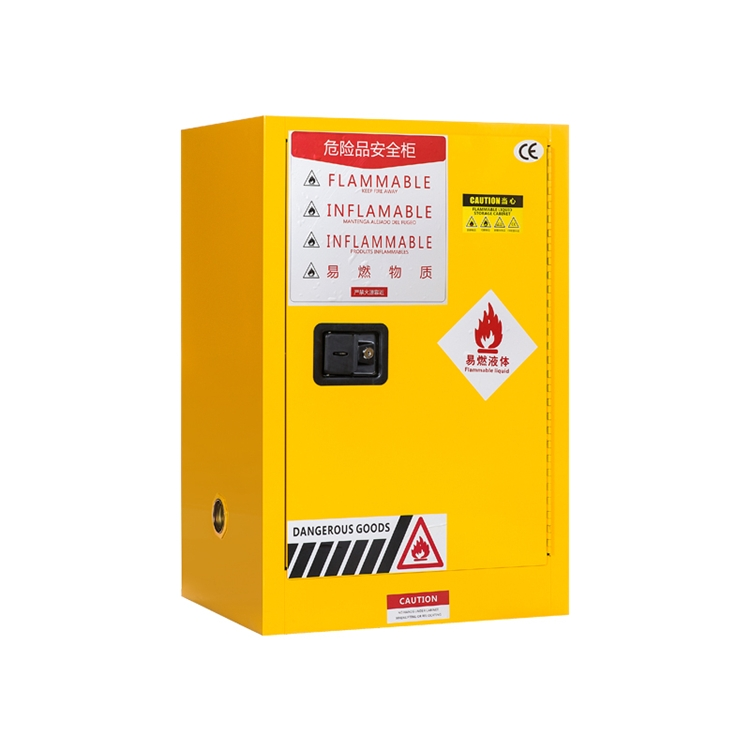
Fire-Resistant and Leakproof Construction
NFPA 30 and FM/UL Fire Resistance Standards (¥10-minute rating for flammable storage)
Fire resistance is essential for chemical storage cabinets if we want to stop flammable materials from catching fire when things go wrong. According to NFPA 30 guidelines, proper cabinets have at least 10 minutes of fire protection built in. This is accomplished using double walls made of steel, with about 1.5 inches of space between them filled with ceramic fireboard insulation material. The design works pretty well too, cutting down on heat transfer by around three quarters compared to regular single wall cabinets. The doors need to close automatically and keep inside temps under 325 degrees Fahrenheit even when exposed to flames. When manufacturers get certified by Factory Mutual or UL, it means their cabinets can handle outside temps up to 1400 degrees for those crucial first ten minutes without collapsing. That extra time makes all the difference for getting people out safely and avoiding dangerous secondary explosions later on.
Secondary Containment: Sump Capacity and Sill Height Compliance (OSHA 1910.120, ¥66 gallons / ¥2-inch sills)
The OSHA standard 1910.120 requires secondary containment systems that can catch all leaks from whatever containers are being stored. When it comes to approved storage cabinets, look for those with seamless polymer sumps that won't leak, plus at least 2 inch high sills around them so any spills stay contained inside. The size of these sumps needs to be big enough to hold either 66 gallons or 10 percent of whatever is stored there, whichever number is larger. Lab tests show this actually works pretty well too, catching about 98 out of every 100 major container failures. Another important detail is how the floor slopes towards the sump area at a minimum angle of 2 degrees. This makes sure everything drains properly without pooling anywhere. And importantly, these materials need to work with whatever chemicals are being stored safely. All these design elements turn regular storage into something proactive against spills. According to recent safety reports from 2023, workplaces using these systems saw an impressive drop in contamination problems, down by roughly 83 percent compared to before.
Hazard-Specific Cabinet Classification and Material Compatibility
Flammable, Acid/Corrosive, and Reactive Chemical Cabinet Design Differences
Designing storage cabinets requires matching them exactly to what chemicals they'll hold. For flammable liquids, fire safety is key according to NFPA 30 standards. These cabinets typically feature steel rated for 10 minutes against fire, doors that close automatically when heated, plus grounding points to stop sparks from static electricity. When dealing with acids or corrosives, manufacturers line the bottom with HDPE plastic to meet OSHA's spill containment rules (1910.120). They also add tight seals against vapors and joints that won't corrode over time. Reactive materials need special handling too. The cabinets for these have separate sections built into them, often marked with different colors, and include specific air paths so nothing gets mixed accidentally which might cause dangerous reactions. Basically, every type of cabinet focuses on preventing one main problem: stopping fires for flammables, resisting breakdown for corrosives, and containing reactions for reactive substances.
Material Selection Rationale: HDPE Lining, Spark-Proof Steel, and Poly-Coated vs. Stainless Steel Performance
What materials go into making cabinets matters a lot when it comes to safety, how well they perform, and how long they'll last overall. HDPE linings stand up pretty well against acids and solvents, which helps keep the sump intact even after accidental spills happen. For areas where flammable materials are stored, spark proof steel is essential because it doesn't create sparks due to its non ferrous makeup. Now when deciding between poly coated options versus stainless steel, think about what the equipment will actually face day to day. Poly coating works fine for places where there's only occasional contact with chemicals or mild exposure situations since it costs less upfront but won't hold up forever. Stainless steel though? That stuff really shines in harsh chemical environments where things get aggressive. Most people find that stainless lasts around ten plus years compared to just five to seven years for those poly coated units, although they do come at roughly forty percent more initially. So weigh factors like how strong the chemicals are, how often they'll be接触到, and don't forget to factor in maintenance costs over time when making this decision.
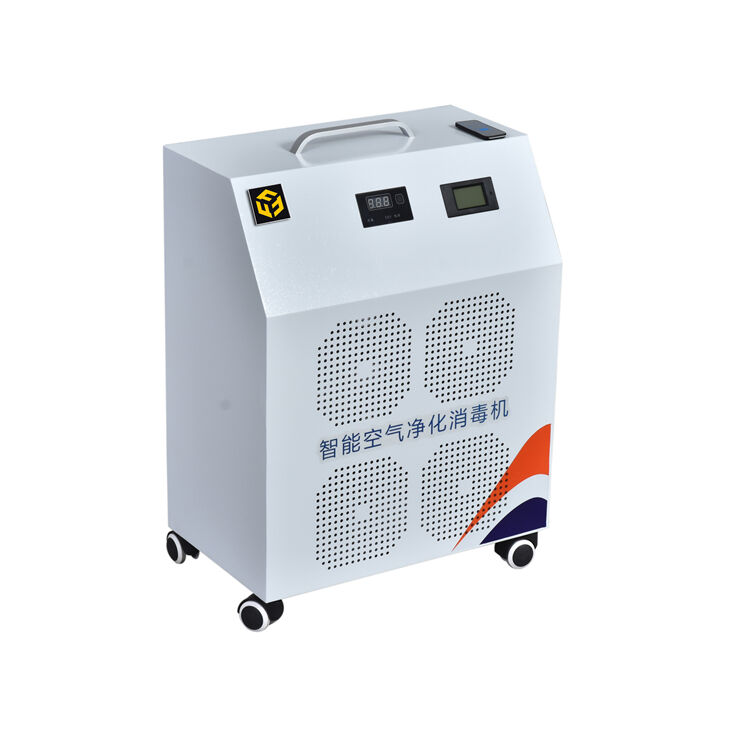
Regulatory Compliance Built Into Chemical Cabinet Design
OSHA 1910.106 and NFPA 30 Requirements: Self-Closing Doors, Dual Locking, and GHS Labeling Integration
Chemical storage cabinets that meet regulations actually build those rules right into how they're made from the start, not something tacked on later. Safety standards like OSHA 1910.106 and NFPA 30 specify doors must shut completely within two seconds when released, which helps contain any fire or vapor leaks before they spread. Most compliant models have dual locks that need two separate steps to open, keeping people who shouldn't be accessing chemicals out while still letting emergency responders get through quickly if needed. The exterior labels follow GHS guidelines with those standard icons and warning words everyone recognizes at a glance. All these physical safety features mean facilities don't have to rely so much on written procedures alone. According to recent data, companies that switched to these safer cabinets saw about 34 percent fewer OSHA issues during last year's factory inspections.
Human-Centered Functional Design for Error Prevention
Ergonomic & Operational Safety Features: SDS Holders, Adjustable Shelves, and Visual Segregation Aids
Human mistakes account for more than 60% of hazardous material accidents according to OSHA data from 2023. That's why good cabinet design matters so much it actually helps reduce risks before they happen thanks to features that just make sense ergonomically. When Safety Data Sheets are right there on the cabinet door itself, workers don't waste precious seconds looking up info when handling dangerous stuff or figuring out what protective gear they need. Adjustable shelves inside these cabinets can handle all sorts of container sizes which makes everything easier to see, keeps things stable, and reduces the chances of spills happening. Color coding different sections, using bold labels that stand out, and separating incompatible materials physically all work together to stop cross contamination problems before they start. All these little details combine into something bigger than just storage solutions. The SDS info tells people what to do, the adjustable space lets them move around safely, and those eye catching colors remind everyone to follow proper procedures turning everyday interactions with chemicals from potential hazards into actual safety measures instead.
