
 EN
EN



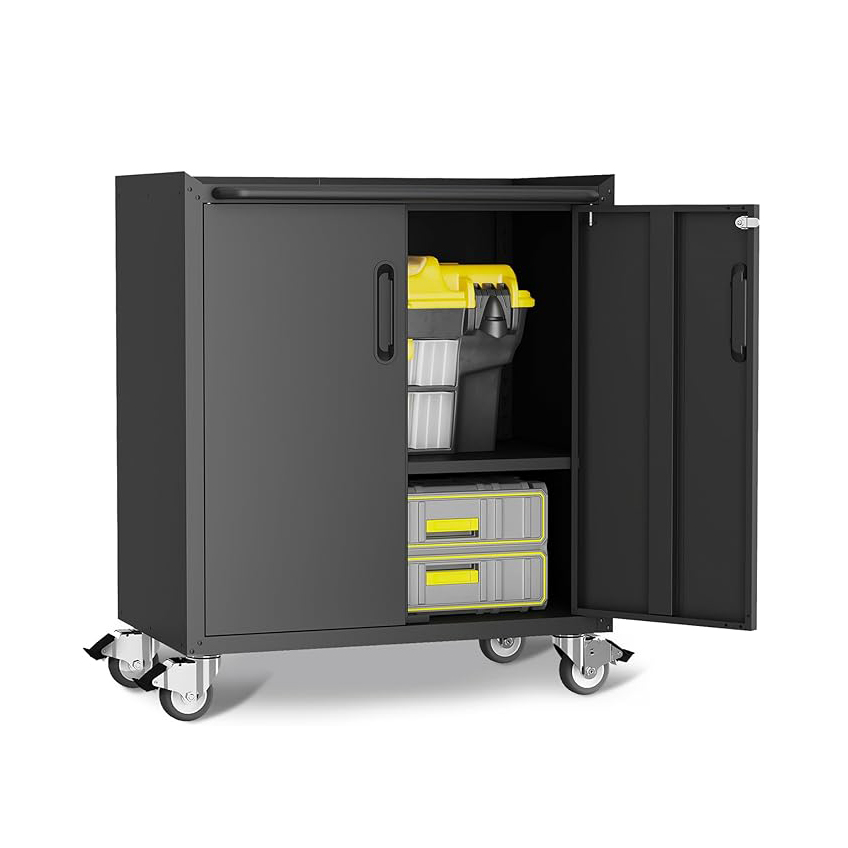
Strategic Tool Categorization for Optimal Tool Cabinet Efficiency
Group tools by function, workflow, and frequency—not alphabet or size alone
Organizing a tool cabinet makes sense when looking at it through three main angles: what each tool actually does (like cutting versus tightening bolts), how tasks typically flow during repairs, and how often specific tools get used day to day. Warehouse managers have found that this approach beats just putting everything in alphabetical order or grouping by size, making it about 40% faster to find what workers need according to recent industry research. Take electrical testing gear for instance. These should go right at the front where mechanics start their work, while those special tools only pulled out once a season can live deeper down in the drawer stack. When working on complicated projects, this setup saves time because technicians don't waste precious minutes rummaging through multiple cabinets. Real world experience shows most shops save around 15 extra minutes each day on average setup alone. Don't fall into the trap of organizing based on letters rather than function. A complete wrench kit naturally goes with other torque related items and ratcheting tools, not next to wire cutters just because W comes before W in the dictionary.
Place high-frequency tools at eye- and waist-level in the tool cabinet for ergonomic access
Tools that get used every day should sit somewhere around waist level to eye level area what ergonomists call the golden zone for good reason. Putting stuff there cuts down on all those unnecessary bends and stretches that lead to injuries in workshops. The top couple of drawers work best for things grabbed several times an hour like screwdrivers, pliers or measuring tapes. Middle shelves are great spots for daily essentials such as socket sets and various drill bits. Those big heavy tools nobody touches often? They belong way down below where they won't take up valuable space. This kind of setup actually follows OSHA recommendations pretty closely and studies show it can cut down on mistakes caused by tired workers by about one third. Shelves that adjust make sense too since people come in different sizes but still want their workspace to stay organized.
Smart Compartmentalization: Drawer Dividers and Retention Systems for Tool Cabinets
Selecting modular vs. fixed dividers based on drawer depth and tool cabinet load capacity
When choosing divider types, consider how much room you actually have available in your cabinets. Fixed dividers work best when dealing with those shallow drawers that are less than four inches deep, which makes them great for keeping standard tool sets organized. For deeper drawers though, modular systems tend to be better because they can change as the collection grows or changes over time. Don't forget to check load capacities either. According to industry tests, fixed dividers generally handle about 30 percent more weight concentrated in one spot compared to their adjustable counterparts. Heavy duty stuff like impact wrenches or hydraulic gear really needs solid compartments to avoid wearing down the structure over time. On the flip side, places where people fix electronics usually need something different entirely. These spots often require grids that can be rearranged easily since the tiny tools used there constantly change. Finding the right mix between being able to adjust things and keeping everything stable is important too. Putting too much weight on those modular rails past around fifteen pounds per linear foot could lead to problems with joints breaking or drawers getting stuck altogether.
Precision retention with custom foam inserts and 3D-printed trays
Getting rid of those annoying tool shifts and preventing damage has become much easier thanks to form fitting retention solutions. The laser cut foam inserts actually hold each tool securely in their own little shock absorbing nest, which cuts down on impact damage during transportation by around 70%, as shown in various vibration tests over time. When dealing with sensitive equipment such as calipers or torque testers, manufacturers now turn to 3D printed trays that create specially designed spaces for each instrument, keeping them properly calibrated even after repeated handling. This setup makes it super easy to spot when something goes missing, which is absolutely essential for places like aircraft maintenance facilities and hospitals where strict compliance standards must be met at all times. Made from thermoplastic polyurethane foam, these materials resist oil contamination and stay dimensionally stable whether working in freezing cold conditions down to minus 20 degrees Fahrenheit or hot environments reaching up to 200 degrees Fahrenheit. Bright colored shadow boards also help workers quickly scan through their inventory without wasting precious minutes searching. All together, these smart storage systems save about 40% off retrieval time and significantly prolong how long tools last before needing replacement, according to recent industry reports on manufacturing efficiency improvements.
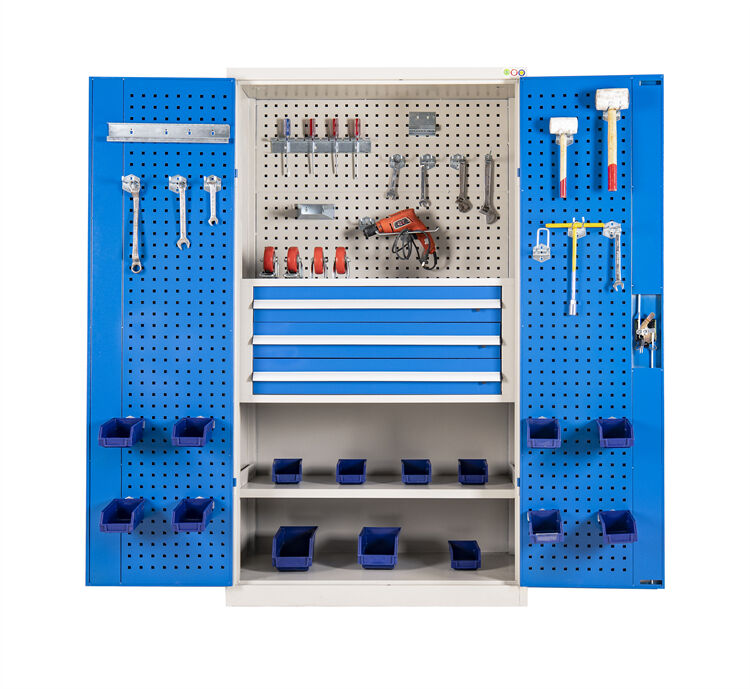
Sustainable Labeling and Visual Management for Tool Cabinet Consistency
Implementing a robust labeling system transforms tool cabinet organization from chaotic to consistent. Workshops using color-coded labels locate tools 40% faster than unlabeled systems, while specialized labeling reduces cross-contamination between work categories by 27%, per Tomac Tools. This approach goes beyond basic identification—it creates visual workflows where:
- Color coordination instantly signals tool function (e.g., red for electrical, blue for plumbing)
- QR code integration enables instant mobile inventory checks
- Durable laminated tags withstand grease, impact, and solvent exposure
When labels work together with good visual organization, something special happens. Drawing tool shapes right onto foam inserts creates those obvious "home spots" where everything belongs, so nobody wastes time figuring out where things go back after use. According to some workplace efficiency reports, this approach cuts down search time for lost tools by around 10-15 minutes each day. To keep things running smoothly long term, make sure to check labels once a month or so. Just replace any worn out or torn tags that have become illegible. Combining regular maintenance with smart labeling transforms what was just a plain old tool cabinet into something much better than storage space alone. It becomes part of the actual work process rather than getting in the way of it.
Top Tool Cabinet Organization Pitfalls—and How to Avoid Them
Overcrowding, category mixing, and 'just one more tool' syndrome—with OSHA-aligned safety context
Overcrowding creates immediate safety hazards—including pinched fingers, jammed drawers, and tool damage. The Occupational Safety and Health Administration (OSHA) identifies cluttered workspaces as contributing to 40% of annual workshop accidents. Prevent this by enforcing a “one-inch clearance rule” around every tool and respecting your cabinet’s certified weight limits.
Category mixing—such as storing drill bits with screwdrivers—slows retrieval by 58%, per workflow studies. Enforce visual separation using color-coded foam inserts or magnetic strips. This supports OSHA’s requirement for “quick identification and access to safety-critical equipment.”
That habit of thinking "just one more tool won't hurt" actually works against good organization over time. Every extra item tossed into the cabinet adds about 3 to 5 pounds typically, which means faster wear on joints and greater chance of cabinets tipping over. To fix this problem, do regular checks every quarter or so. Get rid of duplicate tools and anything not getting used much, keeping only what's absolutely necessary for daily operations. Safety should always come first too. Make sure those critical safety items like first aid kits, fire extinguishers, and emergency stop switches are easy to reach and not blocked off anywhere in the workspace. Most workplaces forget this basic requirement until something goes wrong.
