
 EN
EN



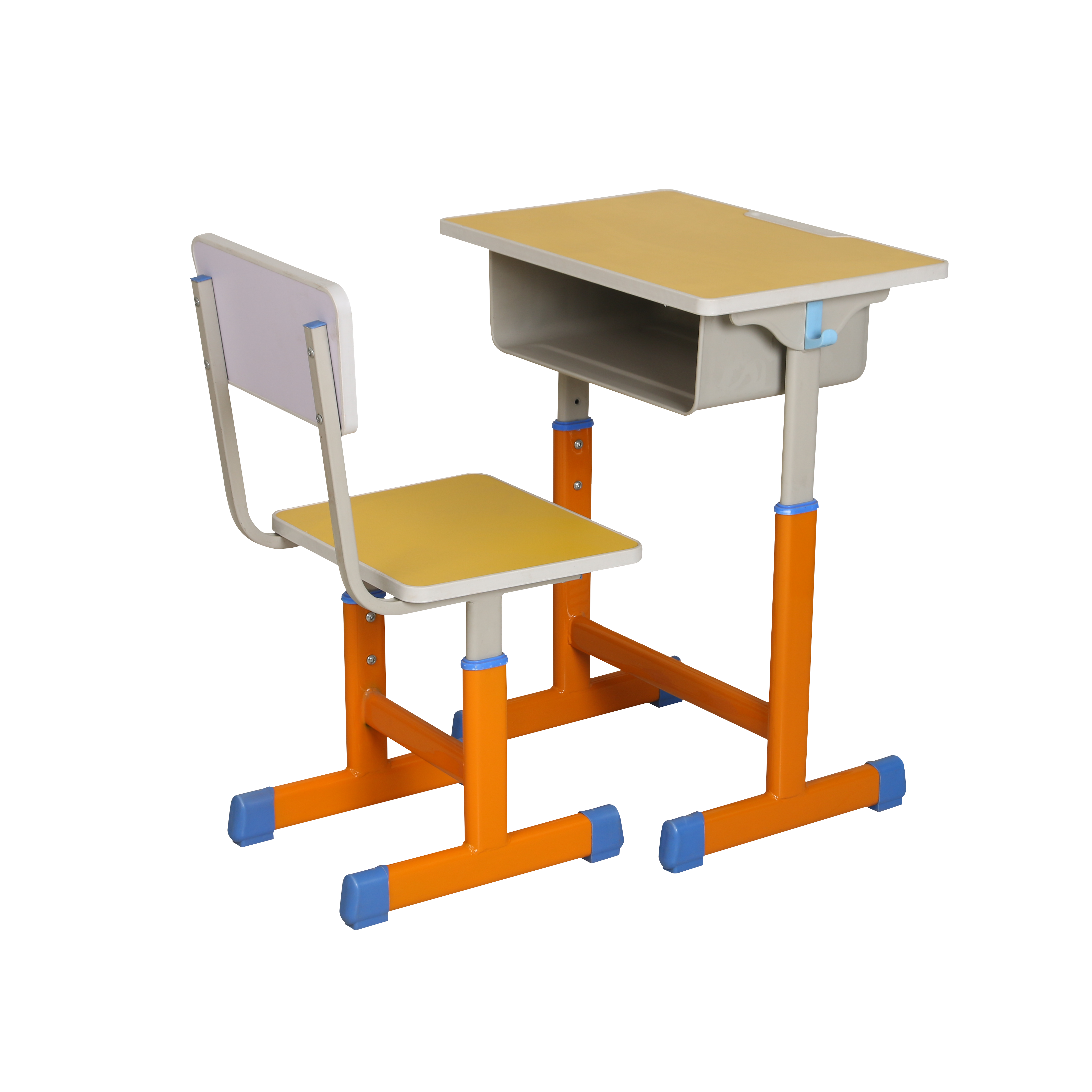
How Ergonomic School Desk and Chair Support Spinal Development and Posture
The height-mismatch problem: How non-adjustable school desk and chair cause spinal misalignment in growing students
Furniture with fixed heights puts growing bodies in awkward positions that aren't good for them. If chairs sit too high, feet just hang there without support which causes the pelvis to tilt back and puts extra pressure on the lower back. Low desks force people to bend forward too much, creating problems for both neck and upper back areas. These constant misalignments lead folks to develop bad habits like hunching over or slumping down, which creates all sorts of stress on the spine and the discs between the bones. Research indicates that sitting this way can actually increase spinal strain by around 40 percent when compared to proper posture. And what happens over years of sitting incorrectly? Well, it might speed up conditions like scoliosis or wear out discs faster because the muscles responsible for keeping everything aligned simply get tired out and stop working properly.
Clinical evidence: Reduced incidence of adolescent kyphosis and lordosis with properly fitted school desk and chair
Ergonomic furniture that can be adjusted makes real differences in spine health for kids growing through those important developmental years. Researchers tracked students over two full school years and saw a pretty impressive 32% drop in posture problems among those who used desks and chairs that matched their body size and could adjust together. Looking closer at specific issues, cases of hunchback (kyphosis) went down about 28%, and lower back curvature (lordosis) decreased by around 24%. These results happened when students sat in chairs with adjustable lower back support and worked at desks where they could rest their elbows at a comfortable 90 degree angle with arms parallel to the ground. When scientists looked at how these setups affect the body mechanics, they found that pressure on the discs between vertebrae in the lower back actually dropped by anywhere from 17 to 21 kilopascals during long writing sessions. This kind of evidence supports what many experts already recommend, including both the International Society for Postural and Gait Research and the American Academy of Pediatrics' guidelines for school health.
Ergonomic School Desk and Chair Reduce Physical Fatigue and Boost Cognitive Engagement
Physiological pathways: Improved circulation, reduced static muscle load, and lower cognitive fatigue
School desks and chairs designed with ergonomics in mind help cut down on physical tiredness through several ways that work together. For starters, these designs improve blood flow back to the heart and boost circulation throughout the body by getting rid of pressure behind the knees and allowing small movements of the legs something really important when kids sit all day long for classes. The second benefit comes from specially shaped seats that spread out pressure evenly across the surface area, which means less strain on muscles in the lower back and buttocks region. This helps prevent the kind of energy loss that happens when someone keeps adjusting their position constantly just to stay comfortable. Thirdly, furniture with dynamic support features actually encourages tiny movements while sitting that have been found to reduce mental fatigue significantly. A study released last year in the Posture Science Journal showed students experienced about a third less cognitive tiredness when using these types of chairs versus traditional ones. When kids don't have to expend so much effort just maintaining good posture, they actually save brainpower that can go toward paying attention in class and absorbing what teachers are saying.
Real-world impact: 23% increase in on-task behavior after ergonomic school desk and chair implementation (Journal of School Health, 2023)
Data from actual classrooms shows just how important good ergonomics really is for learning. Researchers published findings in the Journal of School Health after watching what happened when schools switched to adjustable desks and chairs throughout entire classrooms. They found students stayed focused about 23 percent longer once these new setups were in place. Kids needed way fewer breaks because their posture wasn't bothering them so much anymore, gaining back around twelve minutes each school day that had been wasted on uncomfortable pauses. Teachers noticed something interesting too - kids stopped fidgeting so much in the afternoons, which makes sense since that's typically when bodies start feeling tired from sitting all morning. The ergonomic furniture seemed to work best exactly when students' bodies needed it most. All these changes point to something pretty straightforward: making sure kids can sit comfortably translates directly into better performance in class.
Long-Term Musculoskeletal Protection During Critical Growth Years
The bones in children and teenagers grow quickly during these formative years, especially since their vertebrae continue developing until around 16 or 18 for most kids. Because of this natural flexibility, young backs are particularly at risk when exposed to bad sitting habits. Regular desks and chairs that don't adjust create small but constant stresses on growing bodies. Think about what happens when feet dangle off the floor causing the pelvis to tilt, shoulders hunch forward rounding the upper back, or uneven weight distribution across the spine. These things gradually change how discs and vertebrae develop over time. Studies tracking kids' posture show that those who sit badly throughout their school years face about a 40% higher chance of getting arthritis earlier in life and faster wear on spinal discs as adults. Good ergonomic design fights back against these issues in three main ways. First, seats that can be adjusted keep the pelvis from rotating backward. Second, matching desk and chair heights maintains proper spine alignment even during growth spurts. Third, backrests shaped to fit the body and able to change height cut down on pressure in the lower back region by roughly 21 kilopascals. Schools investing in well-designed furniture actually protect students' long term bone and joint health. Some models suggest this could save around $740k worth of medical bills later on for each group of students, based on calculations from NIOSH research.

Link Between Ergonomic School Desk and Chair and Academic Outcomes
Sustained attention and test performance: How reduced musculoskeletal strain correlates with improved focus in standardized assessments
When kids are physically uncomfortable, their brains just don't work as well, especially when they need to focus hard on important tests. Studies have found that around 74% of students who sit in desks that don't fit them right start losing focus during key parts of class time. Good ergonomic desks and chairs help fix this problem because they position the body properly so muscles aren't constantly straining. This frees up mental energy for thinking tasks instead of fighting against poor posture. Looking at data from over 2,000 students in different communities, researchers saw something interesting. Students with adjustable furniture stuck with their tasks about 23% longer than others. They also scored better on standard reading and math tests. The difference was even bigger during long exams, which makes sense since these situations require more brain power. What all this means is pretty clear. Ergonomic design isn't just nice to have in schools. It's actually essential if we want every student to have a fair shot at doing well academically.
