
 EN
EN



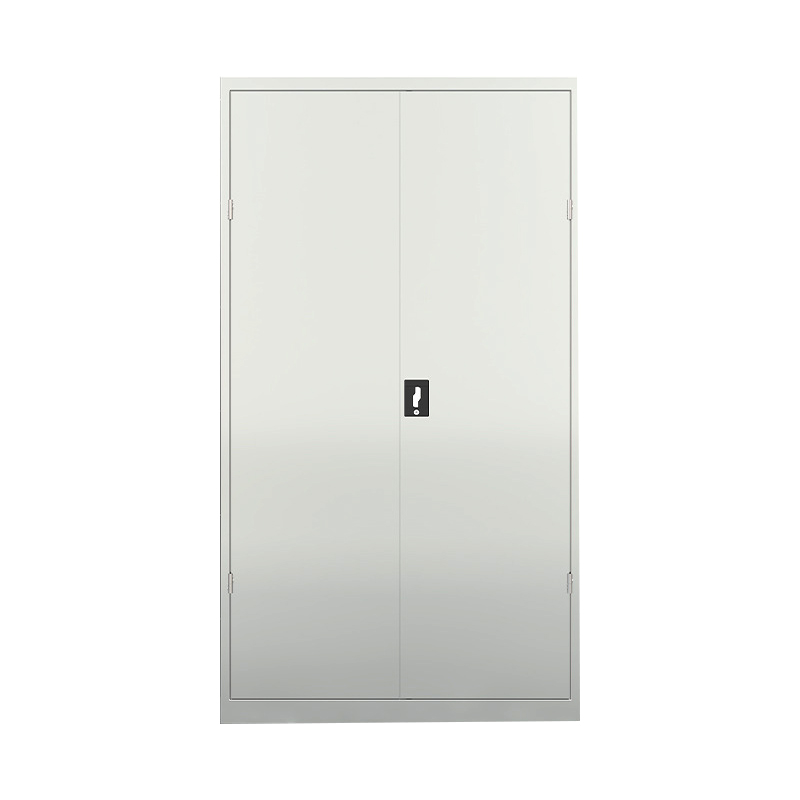
လက်တော့အိုင်းစင်တာများအတွက် အဓိက လေဝင်လေထွက်စနစ် အခြေခံများ
လက်တော့အိုင်းစင်တာများအတွက် လေဝင်လေထွက်စနစ်သည် လေစီးကြောင်းအမြန်နှုန်းနှင့် အောက်သို့စီးကောင်းသော လေစီးကြောင်းအမြန်နှုန်းဟူသော အခြေခံစနစ်နှစ်များပေါ်တွင် အခြေခံပါသည်။ လေစီးကြောင်းအမြန်နှုန်းသည် စကရင်ဖွင့်ပေါက်ပေါ်တွင် တိုင်းတာပါသည်။ ထိုသို့သော လေစီးကြောင်းအမြန်နှုန်းသည် လေထဲတွင် ရှိသော ညစ်ညမ်းမှုများကို အတွင်းသို့ ဆွဲဆောင်ပေးပါသည်။ Class II အမျိုးအစား လက်တော့အိုင်းစင်တာများအတွက် အများအားဖြင့် မိနစ်လျှင် ၇၅ မှ ၁၀၀ ပေ (fpm) အထိ ဖြစ်ပါသည်။ အောက်သို့စီးကောင်းသော လေစီးကြောင်းအမြန်နှုန်းသည် HEPA စီစီဖ်လ်ထ်ရှ်များဖြင့် စီစီဖ်လ်ထ်ရှ်လုပ်ထားသော လေကို အလုပ်လုပ်သည့် ဧရိယာအတွင်း အထောက်အပံ့ပေးပါသည်။ ထိုသို့သော လေစီးကြောင်းသည် အကူအညီဖေးမှုကို ဖန်တီးပေးပါသည်။ ထိုသို့သော အကူအညီဖေးမှုသည် အကူအညီဖေးမှုကို ဖန်တီးပေးပါသည်။ အောက်ပါဇယားတွင် အသုံးများသော လက်တော့အိုင်းစင်တာများအတွက် အများအားဖြင့် အသုံးပြုသည့် လေစီးကြောင်းအမြန်နှုန်းများကို အကျဉ်းချုပ်ဖေးမှုပေးထားပါသည်။
| ကိုက်ဘုတ်အမျိုးအစား | အများအားဖြင့် လေစီးကြောင်းအမြန်နှုန်း (fpm) | ပုံမှန်စီးဆင်းမှုအလျင် (fpm) |
|---|---|---|
| Class II, Type A | 75 | 55–65 |
| Class II, Type B | 100 | 55–65 |
| Class III (ဂလော့ဘ်ဘောက်စ်) | N/A (ပိတ်ထားသည့်) | N/A |
ဤတန်ဖိုးများကို NSF/ANSI 49 အရ အတည်ပြုထားပါသည်။ ဤစံနှုန်းသည် လုပ်သက်နှင့် ပတ်ဝန်းကျင်အကာအကွယ်ကို စံချိန်တိက်စေရန် နှစ်စဥ် ပြန်လည်အတည်ပြုခြင်းကို လိုအပ်ပါသည်။
ကေဘီနက်အမျိုးအစားများတွင် ဝင်ရောက်လာသည့် လေစီးကွင်းနှင့် အောက်သို့ စီးဆင်းသည့် လေစီးကွင်း စံချိန်များ
အမျှတသော လေစီးကွင်း အမြန်နှုန်းများကို ကေဘီနက်၏ အမျိုးအစားနှင့် အသုံးပုံအရ သတ်မှတ်ရပါမည်။ Class II, Type A ကေဘီနက်များသည် လေ၏ ၇၀% အထိကို လေးထောင်သို့ ပြန်လည်စီးဆင်းစေပါသည်။ ထို့ကြောင့် လေဝင်ရောက်မှုနှင့် အောက်သို့ စီးဆင်းမှုအကြား အမျှတမှုကို တိကျစွာ ထိန်းသိမ်းရန် လိုအပ်ပါသည်။ ထိုသို့မဟုတ်ပါက လေစီးကွင်း အတွင်း လှုပ်ရှားမှုများ ဖြစ်ပေါ်လာပြီး အန္တရာယ်ရှိသည့် ပစ္စည်းများကို ထိန်းသိမ်းမှု အားနည်းလာနိုင်ပါသည်။ အနက် အမျိုးအစား Class II, Type B ကေဘီနက်များသည် လေအားလုံးကို အပြင်သို့ ဖောက်ထုတ်ပေးပါသည်။ ထိုသို့သော ကေဘီနက်များတွင် လေစီးကွင်း အတွင်း ပိုမိုမြင့်မားသည့် လေဝင်ရောက်မှု အမြန်နှုန်း (fpm ၁၀၀ အထိ) ကို လေစီးကွင်း အတွင်း ပိုမိုမြင့်မားသည့် ခုခံမှုကို ကျော်လွှားရန် လိုအပ်ပါသည်။ ကေဘီနက်များကို စီမံခန့်ခွဲရာတွင် စမ်းသပ်ခန်းအတွင်း ဖြစ်ပေါ်သည့် ဖိအား ကွာခြားမှုများကို ထည့်သွင်းစဉ်းစားရပါမည်။ သတ်မှတ်ထားသည့် အမြန်နှုန်းမှ ±10% ထက် ပိုမိုကွာခြားမှုများ ဖြစ်ပေါ်ပါက အန္တရာယ်ရှိသည့် ပစ္စည်းများကို ထိန်းသိမ်းမှု အားနည်းလာမှုကို အလွန်အမင်း ဖြစ်ပေါ်စေနိုင်ပါသည်။ အန္တရာယ်များသည့် ဓာတုပစ္စည်းများ သို့မဟုတ် အန္တရာယ်များသည့် ဇီဝအန္တရာယ်များကို ကိုင်တွယ်သည့် စမ်းသပ်ခန်းများအတွက် အထက်ပါ အချက်များကို အထူးဂရုပြုရပါမည်။ ASHRAE 110 စမ်းသပ်မှု ပရိုတိုကောလ် အလုပ်လုပ်နေစဉ် အခြေအနေများအောက်တွင် မျက်နှာပြင် အမြန်နှုန်း တည်ငြိမ်မှုကို လုပ်ကွက်တွင် အတည်ပြုထားသော အကဲဖြတ်မှုကို ပေးစေသည်။
ပြန်လည်လှည့်ပတ်ခြင်းနှင့် စုစုပေါင်း အားလုံးထုတ်လွှတ်ခြင်း – လုံခြုံရေးဆိုင်ရာ အန္တရာယ်များနှင့် အသုံးပြုမှု အခြေအနေများ
ပြန်လည်လှည့်ပတ်သော (Type A2) နှင့် စုစုပေါင်း အားလုံးထုတ်လွှတ်သော (Type B2) အဖွဲ့အစည်းများသည် လုံခြုံရေးနှင့် လုပ်ဆောင်မှုဆိုင်ရာ ကွဲပြားသော အန္တရာယ်များနှင့် အကောင်အထည်ဖော်မှုများကို ပေးစေသည်။ ပြန်လည်လှည့်ပတ်သော စနစ်များသည် HVAC ဘောင်ခံမှုနှင့် တပ်ဆင်မှုစရိတ်များကို လျှော့ချပေးပြီး အန္တရာယ်နိမ့်မှ အလယ်အလတ်အထ do အလုပ်များနှင့် အဝ့အဝှေးမှုမရှိသော ဒြပ်ပုဂ္ဂလ်များအတွက် သင့်လျော်ပါသည်။ သို့သော် ၎င်းတို့သည် စီစီလုပ်ထားသော လေကို စမ်းသပ်ခန်းအတွင်းသို့ ပြန်လည်ထည့်သွင်းပေးပါသည်။ ထိုအတွင်းတွင် ကာဗွန်ဖီလ်တာများ ပြည့်နေပါက ကျန်ရှိနေသော ဓာတုအငွေ့များပါ ပါဝင်နေနိုင်သည်။ စုစုပေါင်း အားလုံးထုတ်လွှတ်သော စနစ်များသည် ပြန်လည်ဝင်ရောက်မှုအန္တရာယ်ကို လုံးဝဖျောက်နှုတ်ပေးသော်လည်း HVAC ဘောင်ခံမှုကို ၄၀% အထိ တိုးမောင်းပေးပါသည်။ အန္တရာယ်များသော ပိုးမွှားများ (ဥပမါ BSL-3/4)၊ ရေဒီယိုသက်ရောက်မှုရှိသော ပစ္စည်းများ သို့မဟုတ် အဝ့အဝှေးမှုရှိသော အော်ဂဲနစ် ပစ္စည်းများကို အသုံးပြုသော စုပ်ယူမှုနေရာများသည် အပ်စ်မှုမှုမှုမှုမှုမှုမှုမှုမှုမှုမှုမှုမှုမှုမှုမှုမှုမှုမှုမှုမှုမှုမှုမှုမှုမှုမှုမှုမှုမှုမှုမှုမှုမှုမှုမှုမှုမှုမှုမှုမှုမှုမှုမှုမှုမှုမှုမှုမှုမှုမှုမှုမှုမှုမှုမှုမှုမှုမှုမှုမှုမှုမှုမှုမှုမှုမှုမှုမှုမှုမှုမှုမှုမှုမှုမှုမှုမှုမှုမှုမှုမှုမှုမှုမှုမှုမှုမှုမှုမှုမှုမှုမှုမှုမှုမှုမှုမှုမှုမှုမ...... အများကြီးသော လုံခြုံရေးကို အာမခံပေးနိုင်ရန်အတွက် ဒွတ်ခ်ပါသော Class II၊ Type B2 ကာဘီနက်များကို စုပ်ယူမှုနေရာများသည် လုပ်ဆောင်မှုစရိတ်များ ပိုများသော်လည်း အထိရောက်ဆုံး အကာအကွယ်ကို အာမခံရန် ဦးစားပေးသင့်ပါသည်။ ANSI/ASSP Z9.5-2022 အောက်စီဂျင် စုပ်ယူမှု ပေါက်ပေါက်များမှ ညစ်ညမ်းသောလေကို ပြန်လည်ဝင်ရောက်ခြင်းကို ကာကွယ်ရန်အတွက် အောက်စီဂျင် စုပ်ယူမှု ပေါက်ပေါက်များ၏ တပ်ဆင်မှုနေရာ၊ အပိုအစိတ်အပိုင်းများ ထည့်သွင်းခြင်း (redundancy) နှင့် လေစုပ်ယူမှု ပေါက်ပေါက်များမှ ကွဲပါးမှုတွင် အရေးကြီးသော လိုအပ်ချက်များကို ဖော်ပြထားသည်။
အမိုးအကာများ (Filtration)၊ အောက်စီဂျင် စုပ်ယူမှု ပုံစံများ (Exhaust Configurations) နှင့် စည်းမျဉ်းစည်းကမ်းများနှင့် ကိုက်ညီမှု (Regulatory Compliance)
လေဘောရေတောရီ ကော်ဘော်ဒို (cabinet) ၏ စွမ်းဆောင်ရည်သည် အမိုးအကာများ (filtration) ၏ အပ်စုံမှုနှင့် အောက်စီဂျင် စုပ်ယူမှု ဒီဇိုင်း (exhaust design) ပေါ်တွင် အဓိကအားဖော်ထားသည်— ဤနှစ်ခုစလုံးသည် လုပ်သက်များ၏ လုံခြုံရေး၊ နမူနာများ၏ အပ်စုံမှုနှင့် စည်းမျဉ်းစည်းကမ်းများနှင့် ကိုက်ညီမှုတွင် တိုက်ရိုက်အကျိုးသက်ရောက်မှုရှိသည်။ စနစ်ကြီးမှုများ မရှိပါက အကောင်အကျင်းကောင်းစွာ ထိန်းသိမ်းထားသည့် ကိရိယာများပင် အန္တရာယ်ရှိသော အေဂျင့်များကို ထိန်းသိမ်းရန် မအောင်မြင်နိုင်ပါ။
အမိုးအကာများ (HEPA filtration) ၏ အပ်စုံမှုနှင့် အဆင့်မြင့် ထိန်းသိမ်းမှု လေဘောရေတောရီ ကော်ဘော်ဒိုများအတွက် နှစ်မျောက် HEPA အမိုးအကာများ လိုအပ်ချက်
HEPA ဖီလ်တာများသည် ၀.၃ မိုက်ခရောမီတာ (µm) အရွယ်အစားရှိသော အမျော့ဆုံး ထိရောက်မှုရှိသော အမှုန်များ (MPPS) ၏ ၉၉.၉၇% အထက်ကို ဖမ်းမိရမည်။ BSL-3 သို့မဟုတ် BSL-4 အေဂျင့်များပါဝင်သော အဆင့်မြင့် ပိတ်မိခြင်းလုပ်ဆောင်မှုများအတွက် စည်းမျဉ်းများအရ ဒွိလ် HEPA ဖီလ်တာများ တပ်ဆင်ရန် လိုအပ်ပါသည်။ ထိုသို့သော ဒွိလ်ဖီလ်တာများသည် လေပေးသော လမ်းကြောင်းတွင် တစ်ခုနှင့် လေထုတ်သော လမ်းကြောင်းတွင် တစ်ခု ဖီလ်တာများ တပ်ဆင်ရမည်ဖြစ်ပါသည်။ ဤနေရာတွင် အပိတ်မိခြင်းစနစ်သည် ဖီလ်တာတစ်လုံးသာ ပျက်သွားပါကပါ အပိတ်မိခြင်းစနစ် အားလုံး အတ်အက် ထိန်းသိမ်းထားနိုင်ရန် အတွက် အပိတ်မိခြင်းစနစ်ကို နေရာနေရာတွင် ထောက်ပံ့ပေးရန် လိုအပ်ပါသည်။ ဖီလ်တာ၏ အရည်အသွေး စမ်းသပ်မှုများ— အထူးသဖြင့် အာရိုးဆော်လ် ဖြတ်သန်းမှု စမ်းသပ်မှုများ (ဥပမါ PAO သို့မဟုတ် DOP အသုံးပြု၍) —သည် အလွန်သေးငယ်သော အပေါက်များ၊ ဂasket များ ပျက်စီးခြင်း သို့မဟုတ် မှန်ကန်စွာ မတပ်ဆင်ခြင်းတို့ကို ရှာဖွေရန် အရေးကြီးပါသည်။ NSF/ANSI 49 နှင့် CDC/NIH ဇီဝလုံခြုံရေး လမ်းညွှန်ချက်များနှင့် ကိုက်ညီမှုကို ထိန်းသိမ်းရန်အတွက် အသေးစိတ် အတည်ပြုခြင်းကို နှစ်စဥ် တစ်ကြိမ် အနည်းဆုံး ပြုလုပ်ရမည်။ သို့မဟုတ် ဖီလ်တာများ ပြောင်းလဲခြင်း၊ အခြားနေရာသို့ ရွှေ့ပေးခြင်း သို့မဟုတ် အဓိက ပြုပြင်မှုများ ပြုလုပ်ပြီးနောက် ချက်ချင်း ပြုလုပ်ရမည်ဖြစ်ပါသည်။
လေပေးသော စနစ်များနှင့် လေကို ပြန်လည်အသုံးပြုသော စနစ်များ— NSF/ANSI 49, ASHRAE 110 နှင့် ANSI/ASSP Z9.5-2022 စည်းမျဉ်းများ
လေကိုအပြင်သို့ စနစ်တကျ ထုတ်လေးသည့် (စုစုပေါင်း လေထုတ်လေး) စနစ်များနှင့် လေကို ပြန်လည်အသုံးပြုသည့် စနစ်များသည် ဘေးအန္တရာယ်ကင်းရှင်းရေး အကူအညီပေးမှု အကျယ်အဝန်းနှင့် စည်းမျဉ်းများနှင့် ကိုက်ညီမှု အခြေအနေတွင် အခြေခံကွဲပြားမှုရှိပါသည်။ လေကိုအပြင်သို့ စနစ်တကျ ထုတ်လေးသည့် ကေဘီနက်များသည် လေကို အပြင်သို့ အပြည့်အဝ ထုတ်လေးပေးပြီး အငွေ့များ ပြန်လည်ဝင်ရောက်မှုကို ဖယ်ရှားပေးကာ အန္တရာယ်ရှိသည့် လေထုတ်လေး စနစ်များ ဒီဇိုင်းရေးဆွဲရာတွင် လိုအပ်သည့် စည်းမျဉ်းများနှင့် ကိုက်ညီပါသည်။ ANSI/ASSP Z9.5-2022 လေကို ပြန်လည်အသုံးပြုသည့် ယူနစ်များသည် HEPA စီစီနှင့် အများအားဖြင့် လေထုတ်လေး ကာဗွန် စီစီများပေါ်တွင် အခြေခံပါသည်။ ထို့ကြောင့် ၎င်းတို့ကို အရွယ်အစားသေးငယ်သည့် အမှုန်များအတွက်သာ အသုံးပြုနိုင်ပြီး အဆိပ်အတောက်ဖော်ပေးသည့် ဓာတ်ငွေစ်များ သို့မဟုတ် အငွေ့ပေါက်သည့် အရည်များအတွက် မသုံးနိုင်ပါ။ NSF/ANSI 49 aSHRAE 110 စံနှုန်းများအရ လေကို ပြန်လည်အသုံးပြုသည့် ကေဘီနက်များကို Type A2 အဖြစ် သတ်မှတ်ပြီး လေကိုအပြင်သို့ စနစ်တကျ ထုတ်လေးသည့် ကေဘီနက်များကို Type B2 အဖြစ် သတ်မှတ်ပါသည်။ ASHRAE 110 စမ်းသပ်မှုများသည် လက်တွေ့အလုပ်ခွင်အခြေအနေများတွင် မျက်နှာပြင် လေစီးနေမှု အမျှတ်များနှင့် မီးခိုးထုတ်လေး ပုံစံများကို တိုင်းတာခြင်းဖြင့် ကေဘီနက်များ၏ အကာအကွယ်ပေးမှု စွမ်းဆောင်ရည်ကို အတည်ပြုပေးပါသည်။ ဤစံနှုန်းများကို လိုက်နာခြင်းသည် အသိအမှတ်ပြုမှု (ဥပမါ- CAP, CLIA) နှင့် အာမ်ခ်ခံမှု အရည်အသွေး ရရှိရေးအတွက် လိုအပ်ပါသည်။
လက်တွေ့စမ်းသပ်မှုအဆင့် လေအေးအေးခြင်း စနစ် ဒီဇိုင်းအချက်များသည် ကေဘီနက်များ၏ စွမ်းဆောင်ရည်ကို သက်ရောက်မှုရှိပါသည်။
အခန်းအဆင့်လေစီးကြောင်း အနှောင့်အယှက်များသည် ကာဘီနက်၏ ပိတ်မှုစွမ်းရည်ကို တိုက်ရိုက်ထိခိုက်စေသည်။ ထိန်းချုပ်မှုမရှိသော လေစီးကြောင်း အတုံ့ပေးမှုများသည် ရှပ်ဖွငေး (sash) ဖွင့်လေးပေါ်တွင် မျက်နှာပြင်အမြန်နှုန်းကို လျော့ကျစေပြီး ညစ်ညမ်းမှုများ ထွက်ပေါ်လာနိုင်ခြင်းအန္တရာယ်ကို မြင့်တက်စေသည်။ အကောင်းမွန်ဆုံး စွမ်းဆောင်ရည်အတွက် ဝန်းကျင်ရှိ HVAC ပတ်ဝန်းကျင်ကို ကာဘီနက်ကိုယ်တိုင်ကို ဒီဇိုင်းရေးဆွဲရာတွင် အသုံးပြုသည့် အတူတူ တင့်ကြွမ်းမှုဖြင့် အင်ဂျင်နီယာပုံစံဖော်ရမည်။
လေစီးကြောင်း အတုံ့ပေးမှုများကို အနည်းဆုံးဖြစ်အောင် လုပ်ဆောင်ခြင်း – တံခါးဖွင့်ခြင်း၊ လူသွားလာမှုနှင့် အနီးတွင်ရှိသော စက်ကိရိယာများကို ထိန်းချုပ်ခြင်း
တံခါးဖွင့်ခြင်းသည် မျက်နှာပြင်အမြန်နှုန်းကို ခဏတာ ကျဆင်းစေသည့် ဖိအားလှိုင်းများကို ဖြစ်ပေါ်စေပြီး အထူးသဖြင့် ကာဘီနက်များကို ဝင်ပေါက်များနှင့် နီးသည့်နေရာတွင် ထားလေ့ရှိပါက အမြန်နှုန်းသည် ၂၀–၃၀% အထိ ကျဆင်းနိုင်သည်။ လူသွားလာမှုသည် ပိုမိုနှေးကွေးသော အတုံ့ပေးမှုများကို ဖြစ်ပေါ်စေသော်လည်း ထိုအတုံ့ပေးမှုများသည် စုစုပေါင်းအားဖြင့် သက်ရောက်မှုရှိသည်။ လေစီးကြောင်း တည်ငြိမ်မှုကို ထိန်းသိမ်းရန် ကာဘီနက်များကို အဓိက လှုပ်ရှားမှုလမ်းကြောင်းများမှ ဝေးရှောင်ပြီး လေပေးစွမ်းစက်များ (supply diffusers) သို့မဟုတ် လေပြန်လေးများ (return grilles) နှင့် နီးကပ်မှုကို ရှောင်ရှားရမည်။ အနီးတွင်ရှိသော စက်ကိရိယာများ—ဥပမါ စင်ထရီဖျူဂ်များ၊ အင်ကျူဘေတာများ သို့မဟုတ် ဗက်ကျူမ် ပမ်ပ်များ—သည် ကာဘီနက်၏ ဘေးဘက်များမှ ၁၂–၁၈ လက်မအတွင်း ထားလေ့ရှိပါက ဒေသခံ လေစီးကြောင်းကို အနှောင့်အယှက်ဖြစ်စေနိုင်သည်။ အများစုသော ထုတ်လုပ်သူများနှင့် ASHRAE 110 လေစီးကွင်း အတားအဆီးဖြစ်ခြင်းကို ကာကွယ်ရန် ဤအနည်းဆုံး အကွာအဝေးကို အက်ဒ်ဗိုက်ဇ်ပေးပါသည်။ ကာဘီနက် အသုံးပြုနေစဉ် တံခါးများကို ညှိပေးခြင်းကဲ့သို့သော လုပ်ထောင်မှု စည်းကမ်းမှုများသည် ထိရောက်သော အကာအကွယ်ပေးမှုကို အာမခံရန် အထောက်အကူပုံဖော်ပေးပါသည်။
အပူအားလေးများမှ အပူလွှမ်းမှုနှင့် ၎င်း၏ မျက်နှာပြင် အမြန်နှုန်း တည်ငြိမ်မှုအပေါ် သက်ရောက်မှု
အိုဗင်များ၊ အော်တိုကလေးဗ်များ သို့မဟုတ် အလင်းအားကောင်းသော မီးများကဲ့သို့သော အပူအားလေးများသည် ဒေသတွင်း လေသိပ်သည်းဆကို ပြောင်းလဲစေပြီး လေစီးကွင်း၏ တည်ငြိမ်မှုကို ထိခိုက်စေသည့် အပူလွှမ်းမှုများကို ဖြစ်ပေါ်စေပါသည်။ ကာဘီနက်၏ ၃ ပေအတွင်း တည်ရှိသည့်အခါ ဤအပူလွှမ်းမှုများသည် အထူးသဖြင့် ရှေးဖက် အဖွင့်နေရာ၏ ဗဟိုတွင် မျက်နှာပြင် အမြန်နှုန်းကို ၅–၁၅% အထ do လေးများကို ကာဘီနက်၏ အိုင်းစ်ဟောက်စ် လမ်းကြောင်း၏ နောက်ဘက်တွင် တပ်ဆင်ခြင်း (သို့မဟုတ် စိတ်ကောင်းမောင်းသော အခြေအနေတွင် ရှေးဖက် အဖွင့်နေရာ၏ ဗဟိုတွင် မျက်နှာပြင် အမြန်နှုန်းကို ၅–၁၅% အထိ လျော့ကျစေပါသည်။ အပူလွှမ်းမှုကို လျော့ပါးစေရန် အပူအားကောင်းသော ပစ္စည်းများကို ကာဘီနက်၏ အိုင်းစ်ဟောက်စ် လမ်းကြောင်း၏ နောက်ဘက်တွင် တပ်ဆင်ခြင်း (သို့မဟုတ် စိတ်ကောင်းမောင်းသော အခြေအနေတွင် ရှေးဖက် အဖွင့်နေရာ၏ ဗဟိုတွင် မျက်နှာပြင် အမြန်နှုန်းကို ၅–၁၅% အထိ လျော့ကျစေပါသည်။ အပူလွှမ်းမှုကို လျော့ပါးစေရန် အပူအားကောင်းသော ပစ္စည်းများကို ကာဘီနက်၏ အိုင်းစ်ဟောက်စ် လမ်းကြောင်း၏ နောက်ဘက်တွင် တပ်ဆင်ခြင်း (သို့မဟုတ် စိတ်ကောင်းမောင်းသော အခြေအနေတွင် ရှေးဖက် အဖွင့်နေရာ၏ ဗဟိုတွင် မျက်နှာပြင် အမြန်နှုန်းကို ၅–၁၅% အထိ လျော့ကျစေပါသည်။ အပူလွှမ်းမှုကို လျော့ပါးစေရန် အပူအားကောင်းသော ပစ္စည်းများကို ကာဘီနက်၏ အိုင်းစ်ဟောက်စ် လမ်းကြောင်း၏ နောက်ဘက်တွင် တပ်ဆင်ခြင်း (သို့မဟုတ် စိတ်ကောင်းမောင်းသော အခြေအနေတွင် ရှေးဖက် အဖွင့်နေရာ၏ ဗဟိုတွင် မျက်နှာပြင် အမြန်နှုန်းကို ၅–၁၅% အထိ လျော့ကျစေပါသည်။ အပူလွှမ်းမှုကို လျော့ပါးစေရန် အပူအားကောင်းသော ပစ္စည်းများကို ကာဘီနက်၏ အိုင်းစ်ဟောက်စ် လမ်းကြောင်း၏ နောက်ဘက်တွင် တပ်ဆင်ခြင်း (သို့မဟုတ် စိတ်ကောင်းမောင်းသော အခြေအနေတွင် ရှေးဖက် အဖွင့်နေရာ၏ ဗဟိုတွင် မျက်နှာပြင် အမြန်နှုန်းကို ၅–၁၅% အထိ လျော့ကျစေပါသည်။ အပူလွှမ်းမှုကို လျော့ပါးစေရန် အပူအားကောင်းသော ပစ္စည်းများကို ကာဘီနက်၏ အိုင်းစ်ဟောက်စ် လမ်းကြောင်း၏ နောက်ဘက်တွင် တပ်ဆင်ခြင်း (သို့မဟုတ် စိတ်ကောင်းမောင်းသော အခြေအနေတွင် ရှေးဖက် အဖွင့်နေရာ၏ ဗဟိုတွင် မျက်နှာပြင် အမြန်နှုန်းကို ၅–၁၅% အထိ လျော့ကျစေပါသည်။ အပူလွှမ်းမှုကို လျော့ပါးစေရန် အပူအားကောင်းသော ပစ္စည်းများကို ကာဘီန......
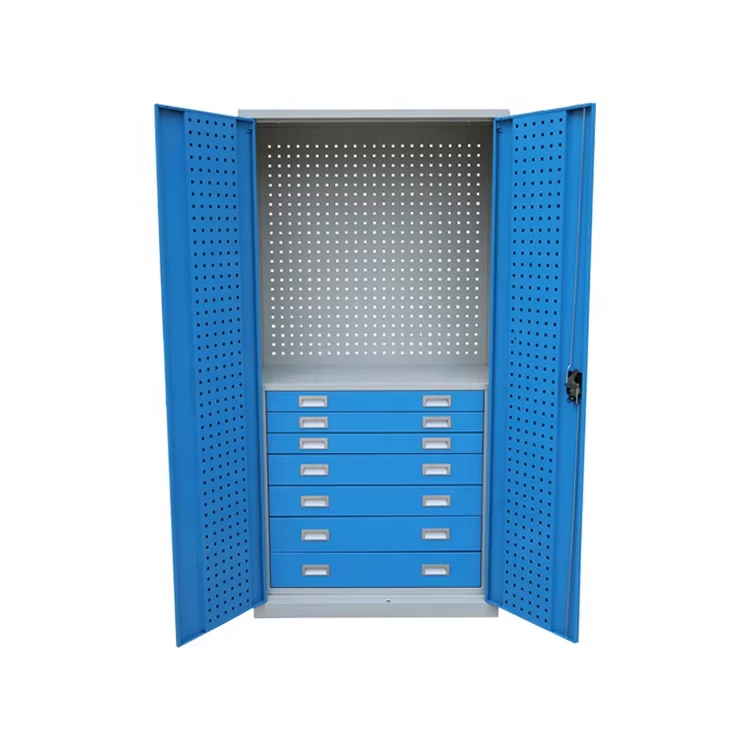
လေးဘောရေတော်ရှိ ကာဘီနက်များ၏ ဗုံးခွဲမှုနှင့် အကူအညီပေးသော နေရာခွဲခြင်း
လက်တွေ့စမ်းသပ်မှုခန်းအတွင်း လက်တွေ့စမ်းသပ်မှုခန်းအတွက် သိုလှောင်ရေးအိုင်းစ်ကာဘီနက် (Laboratory Cabinet) ကို ဗျူဟာမြောက်စွာ ထားရှိခြင်းသည် အလုပ်စီစဥ်မှု ထိရေးမှု (Workflow Efficiency)၊ လုံခြုံရေးဆိုင်ရာ စည်းမျဉ်းများနှင့် ကိုက်ညီမှု (Safety Compliance) နှင့် စမ်းသပ်ခန်း၏ ရေရှည်တွင် ပြောင်းလဲမှုများကို လက်ခံနိုင်မှု (Long-term Lab Adaptability) တို့ကို တိုက်ရိုက်အကျိုးသက်ရောက်မှုရှိပါသည်။ အန္တရာယ်ရှိသော ပစ္စည်းများကို ကိုင်တွယ်သည့် အဓိကအလုပ်နေရာများအနီးတွင် ကာဘီနက်များကို ထားရှိပါ—သို့သော် အလုပ်သမ်းများ အများအားဖြင့် ဖြတ်သန်းသည့် လမ်းကြောင်းများ (High-traffic Aisles) နှင့် တံခါးဖွင့်သည့် ဧရိယာများ (Door Swing Zones) တွင် ထားရှိခြင်းကို ရှောင်ကြဥ်ပါ။ အက်စီဒင်း (Acid) နှင့် မီးလောင်နိုင်သည့် ပစ္စည်းများကို သိုလှောင်ရေးအတွက် အသိအမှတ်ပြုထားသည့် ကာဘီနက်များကို မီးလောင်စေနိုင်သည့် အရင်းအမြစ်များ (Ignition Sources) နှင့် အရေးပေါ်ထွက်ပေါက်များ (Emergency Exits) မှ အနည်းဆုံး ၁၀ ပေ (၃.၀၅ မီတာ) အကွာတွင် ထားရှိရမည်။ ဤသည်မှာ NFPA 45 နှင့် ဒေသတွင်း မီးဘေးအန္တရာယ်ကာကွယ်ရေး စည်းမျဉ်းများအရ ဖြစ်ပါသည်။ အထက်တွင် ထားရှိသည့် ကာဘီနက်များ (Overhead Cabinets)၊ စားပွဲအောက်တွင် ထားရှိသည့် အိုင်းစ်ဒရောင်များ (Under-bench Drawers) နှင့် ဘေးဘက်တွင် ထားရှိသည့် စားပွဲများ (Side Shelving) တို့ကို အသုံးပြုခြင်းဖြင့် အထက်ပိုင်း စားပွဲများ (Bench Surfaces) ကို မှုန်းမှုန်းမှုများမှ ကင်းဝေးစေပြီး လွယ်ကူစွာ အသုံးပြုနိုင်မှုကို မြင့်တင်ပေးပါသည်။ လေဝင်လေထွက်စနစ်ပါသည့် ကာဘီနက်များအတွက် လေပေးဝါးများ (Air Supply Diffusers) နှင့် ဖွင့်ထားသည့် ပ window များမှ အကွာအဝေးကို ထိန်းသိမ်းထားခြင်းဖြင့် မျက်နှာပြင်တွင် လေစီးကြောင်းအမြန်နှုန်း (Face Velocities) ကို တည်ငြိမ်စေပါသည်။ လူသားအင်ဂျင်နီယာ (Ergonomic) အရ လက်သုံးနိုင်သည့် အမြင့်အတိုင်းအတာ (Ergonomic Reach Zones) ကို မြေပြင်မှ ၁၈–၄၈ လက်မ (၄၅.၇–၁၂၁.၉ စင်တီမီတာ) အထိ ထားရှိခြင်းဖြင့် လက်ကောက်ဝိုန်းကို အလွန်အများကြီး ဆန့်ထုတ်ရေး (Stretching) နှင့် ပင်ပန်းမှု (Fatigue) ကို လျော့နည်းစေပြီး ပစ္စည်းများ spill ဖြစ်ခြင်းနှင့် ထိခိုက်မှုများ ဖြစ်ပွားမှုကို လျော့နည်းစေပါသည်။ စမ်းသပ်ခန်းအတွင်း နေရာချထားမှုအား ပုံမှန်စစ်ဆေးခြင်း (Regular Spatial Audits) ကို ပြုလုပ်ခြင်းဖြင့် စမ်းသပ်ခန်း၏ လုပ်ထိုးမှုများ (Protocols)၊ အလုပ်သမ်းများ (Personnel) နှင့် စက်ပစ္စည်းများ (Equipment) တို့ ပြောင်းလဲလာသည့်အတွက် ကြိုတင်အရေးယူမှုများ (Proactive Adjustments) ကို ပြုလုပ်နိုင်ပါသည်။ ထို့ကြောင့် လုံခြုံရေး၊ လုပ်ဆောင်ချက်နှင့် စည်းမျဉ်းများနှင့် ကိုက်ညီမှုတို့သည် အဆက်မပြတ် ညှိနှိုင်းထားနိုင်ပါသည်။
အကြောင်းအရာများ
- လက်တော့အိုင်းစင်တာများအတွက် အဓိက လေဝင်လေထွက်စနစ် အခြေခံများ
- အမိုးအကာများ (Filtration)၊ အောက်စီဂျင် စုပ်ယူမှု ပုံစံများ (Exhaust Configurations) နှင့် စည်းမျဉ်းစည်းကမ်းများနှင့် ကိုက်ညီမှု (Regulatory Compliance)
- လက်တွေ့စမ်းသပ်မှုအဆင့် လေအေးအေးခြင်း စနစ် ဒီဇိုင်းအချက်များသည် ကေဘီနက်များ၏ စွမ်းဆောင်ရည်ကို သက်ရောက်မှုရှိပါသည်။
- လေးဘောရေတော်ရှိ ကာဘီနက်များ၏ ဗုံးခွဲမှုနှင့် အကူအညီပေးသော နေရာခွဲခြင်း
