
 EN
EN



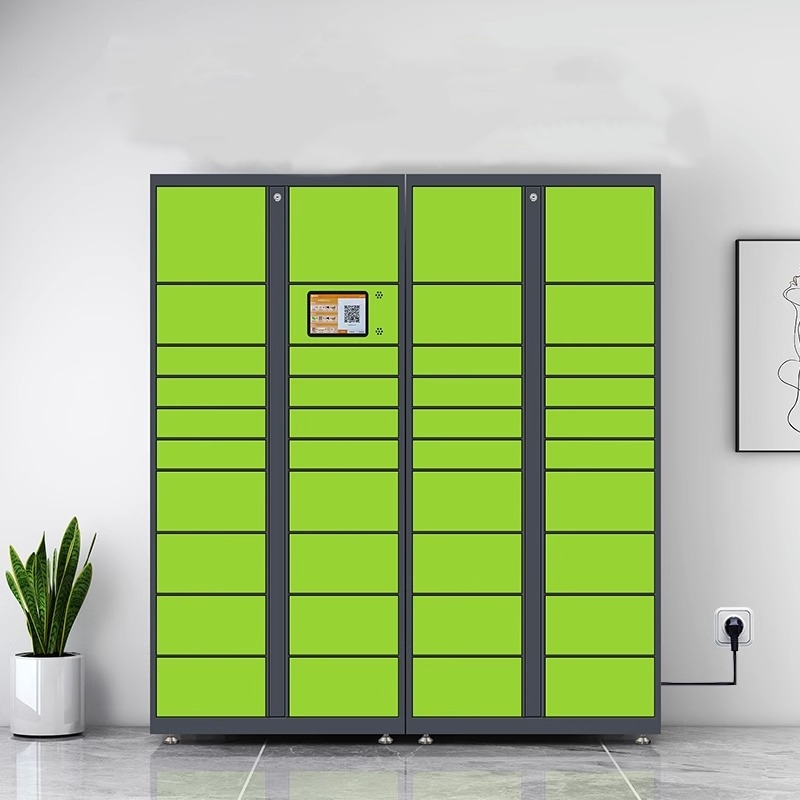
E-Commerce Growth Driving Demand for Residential Parcel Lockers
Surging online orders and last-mile delivery pressure in apartment communities
E-commerce sales are expected to jump around 14% each year until 2025, and this surge is causing serious headaches for apartment complexes dealing with record numbers of packages. Most apartment buildings now see over 150 deliveries every month for just 100 units, which creates major traffic jams at the final delivery stage. Drivers struggle with all sorts of problems when making these drops off - finding parking spaces is tough enough, then there's figuring out who lives where after climbing multiple flights of stairs. These delays can eat up almost a third more time per stop than planned. According to folks who study delivery logistics, about one in four attempts fails completely in densely packed neighborhoods. This mess costs carriers money and leaves tenants annoyed when their online purchases don't arrive as promised. Installing parcel lockers seems like a smart fix since they cut down driver stop times by nearly two thirds and get rid of those pesky access issues altogether.
Overburdened front desks and concierge staff: Why traditional handoff models are failing
The old school way of handling packages just can't keep up with all the online shopping these days. Front desk staff at apartment complexes spend over 15 hours each week dealing with packages alone, which eats up almost half their time according to industry data. Things get really messy when they have to manually log every box, struggle with limited storage space, and constantly chase down people who want their stuff back. Lost packages hit property owners hard too, costing around $175 each time something goes missing from the lobby. Security becomes a major concern as boxes pile up unattended, especially since nearly one in four residents report having packages stolen in buildings without proper storage solutions, based on last year's NMHC survey. When concierges end up acting as full-time package handlers instead of building community connections, no wonder there's such high turnover rates at busy properties. That's why smart buildings are turning to automated parcel lockers now. These systems take care of storing, securing, and retrieving packages themselves, so staff can focus on what they're actually hired for while residents still get round-the-clock access to their deliveries.
Enhanced Security and Theft Prevention with Parcel Locker Systems
Eliminating Porch Piracy Through Secure, Trackable Parcel Locker Access
Parcel lockers help stop those annoying porch pirates by putting deliveries somewhere safe instead of leaving them out on doorsteps where anyone can grab them. These boxes are made of strong steel and have digital locks that need either a fingerprint scan or a special code before someone can open them. That means would-be thieves face both physical obstacles and digital protections if they try anything sneaky. The lockers themselves are pretty tough stuff, so people cant just break into them easily. Plus, most buildings put these lockers right in the lobby area where there's always someone around watching what goes on. When packages arrive, everything gets recorded with time stamps and who picked it up, making it much easier for building staff to figure out what happened when something goes missing. According to a recent report from NMHC in their 2024 Security Benchmark Study, this kind of security setup cuts down on apartment complex package theft by about 90 percent.
Real-Time Notifications and Audit Trails: How Parcel Lockers Reduce Package Loss Despite Delivery Alerts
Delivery alerts let people know packages have arrived, but they can't stop someone from grabbing them right after delivery before anyone gets there. That's where parcel lockers come in handy. These lockers actually fix the problem because they have built-in systems that send immediate text messages or emails when something is deposited securely inside. What makes them really good is their ability to keep detailed records of who accessed what and when, including those times when someone tried to get in but failed. Property managers find this super useful since they can check these records against camera footage if anything goes missing. When combined with those instant notifications, these security features cut down on lost packages even when deliveries are coming nonstop throughout the day and night. Many buildings now report being able to handle incidents around the clock thanks to this setup.
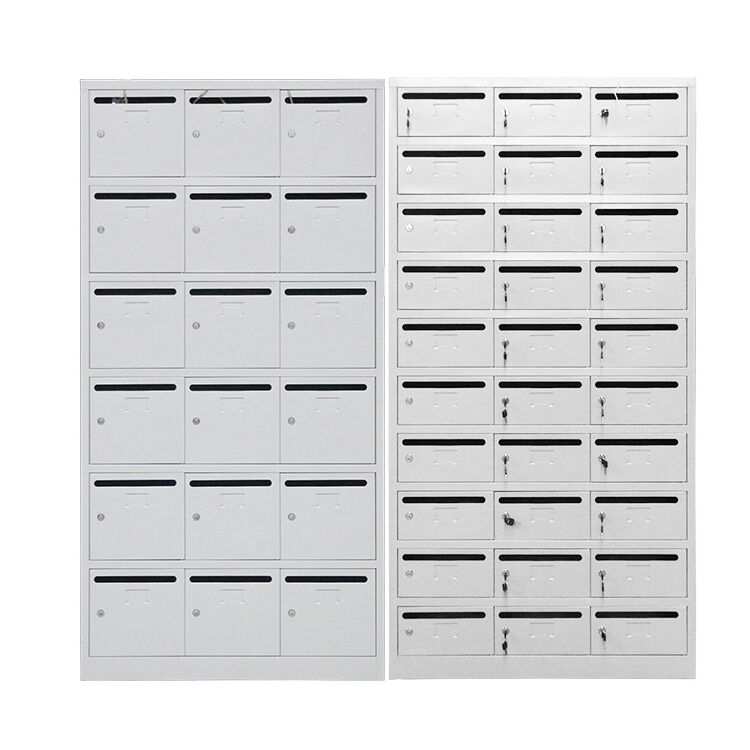
24/7 Resident Convenience and Contactless Package Access
Flexible, self-service retrieval anytime—no missed deliveries or scheduling friction
People living in apartment buildings and similar housing get way more freedom with package lockers since they can access them anytime day or night without waiting around. Traditional deliveries always created headaches because someone had to be home during specific hours or coordinate with building staff. With these new systems, there's no more fighting over schedules. When a package arrives, residents get instant alerts on their phones and can grab it almost instantly using security codes. Works just as well at midnight as it does during lunch breaks. The whole setup takes away the hassle of needing to be present for deliveries or dealing with lost packages left outside.
- Missed delivery coordination: No more rearranging schedules or waiting for redelivery attempts
- Staff dependency: Front desk workloads decrease by 63%, per NMHC’s 2024 Multifamily Operations Study
- Physical interactions: Hygienic touch-free access reduces transmission risks
The autonomy extends beyond convenience—residents report 78% fewer delivery complaints when properties implement locker systems. By enabling instant access without human intermediaries, communities resolve the last-mile friction that plagues urban apartment deliveries.
Strategic Advantage: How Parcel Lockers Boost Property Value and Retention
For multifamily buildings, parcel lockers bring real money benefits by cutting down on operating costs while keeping residents happy and staying put longer. When packages get managed automatically, property managers save around 15 to 20 hours each week that would otherwise go toward sorting through all those deliveries day after day. That means concierges can focus on things that actually bring in cash instead of just handling boxes. According to IREM's 2023 report on costs, this kind of automation cuts package handling expenses by about 20 to 30 percent. What really matters though is how satisfied people feel knowing they can pick up their stuff anytime, anywhere. Places with these lockers see lease renewals jump as much as 40% compared to old fashioned methods where someone has to be there to hand off packages. And let's face it, most renters care deeply about package security these days. The National Multifamily Housing Council found in their 2024 survey that nearly 8 out of 10 potential tenants look at package safety before choosing an apartment. So not only do buildings save money, they can charge more rent too since fewer units sit empty waiting for someone to move in. All told, the mix of saved dollars, better tenant retention, and standing out from competitors makes a strong business case that keeps growing stronger year after year.
| Benefit Category | Impact on Property Value | Resident Retention Effect |
|---|---|---|
| Operational Efficiency | 20–30% lower package handling costs | Frees staff for resident services |
| Security & Convenience | Higher perceived property value | 40% lease renewal rate increase |
| Market Differentiation | Enables premium rental pricing | 78% tenant acquisition priority |
