×
×
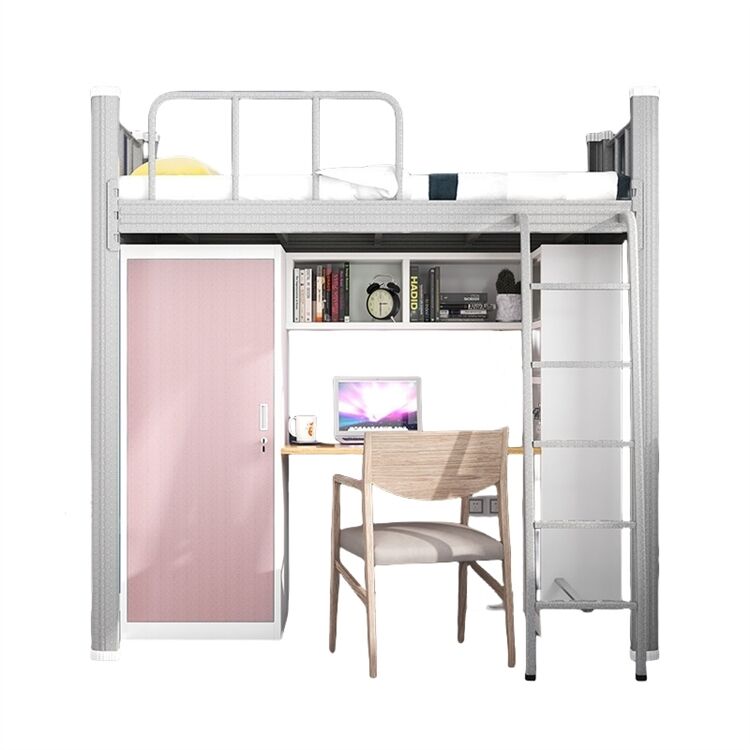
Heavy duty knock down steel bed frames come together quickly thanks to their smart design most people finish putting them together in less than 40 minutes. The frame has pre drilled holes, colored screws that match specific spots, and parts that click into place so there's no need to measure everything precisely or second guess where things go. Everything needed for assembly is packed inside including all the hex keys and bolts. The steel pieces aren't too heavy but still hold up well, making it easier on hands and back while setting up. Step by step guides walk even first time builders through each part logically. And according to tests done by manufacturers, these frames don't fall apart or have issues if someone follows the directions properly from start to finish.
Most manufacturers focus on making their products easy to assemble with those detailed exploded view diagrams we all see in boxes. These guides usually include safety warnings in multiple languages and highlight important parts with bold icons where the structure needs extra support. The torque numbers for bolts, typically around 8 to 12 Newton meters, are printed right next to each bolt location so people don't accidentally tighten them too much. We've all seen what happens when someone overtightens a bolt - it can warp the whole frame! Components are labeled clearly too, like "Crossbeam A" matching exactly what's printed on the box. This makes unpacking less confusing and saves time hunting for parts later. Studies show that using symbols instead of just text cuts down mistakes during assembly by about two thirds. Getting the order of screws and nuts right matters a lot because if done wrong from day one, the whole structure might start failing after months or even years of use.
A reliable assembly starts with the right tools and precautions. Use the included hex keys and a torque-limited driver to apply manufacturer-specified force— critical for preventing stripped bolts or deformed threads. Work gloves and safety glasses are non-negotiable when handling precision-cut steel with sharp edges.
Getting organized starts with setting up a clean work area with plenty of light and sorting out all the hardware bits in clearly marked boxes. Before diving in, double check everything against the parts list to make sure nothing's missing or mixed up. Safety first folks! Keep those fingers away from any moving parts or sliding mechanisms, especially when putting on those tricky crossbeams or attaching headboard brackets where things tend to get squeezed together unexpectedly. When dealing with big center supports or anything really heavy, it's wise to grab someone else to hold stuff steady. Two heads (and hands) are better than one for these jobs, as shifting weights around alone can lead to damaged components or just plain old back pain later on.
Steel frames that come flat packed really help reduce shipping expenses because they work around how carriers calculate prices based on space rather than just weight. When manufacturers collapse these components during transport, they can shrink the overall shipping volume by roughly half. This makes it possible to fit everything onto regular pallets without paying extra for oversized packages. The savings add up too freight bills drop somewhere between 15% to maybe even 20% compared to when products arrive already assembled. Most major carriers like FedEx and UPS actually prefer this approach since it means less wasted space in their trucks. Less wasted space translates directly into lower fuel consumption and faster delivery times throughout the country's vast distribution network.
When deciding on delivery options, businesses should consider factors like package size, available budget, and what kind of support they actually need. For heavier items weighing over 500 pounds, LTL shipping makes sense because companies can share truck space with other shippers, cutting down costs significantly. Smaller packages under 150 lbs work best with parcel services which provide convenient door to door tracking and tend to arrive faster. Curbside delivery keeps expenses low by simply dropping off packages at the curb rather than inside. Some companies opt for white glove service instead, even though it typically costs about 20 to 30 percent more. This premium option includes bringing items indoors, unpacking them carefully, and sometimes even assembling furniture professionally. While pricier upfront, many find this worthwhile since it greatly reduces risks during handling and takes away the hassle of putting things together themselves.

LUOYANG FURNITOPPER provides premium steel furniture manufacturing for global B2B buyers. Our ISO 9001/14001/45001-certified factory offers KD lockers, tool cabinets, shelving & dorm furniture with CNC precision, 5S quality control, and one-stop OEM/ODM solutions. Contact us today!
No.8 Yanguang Road, High-Tech District, Luoyang 471000, Henan, China.
Copyright © 2025 by LUOYANG FURNITOPPER IMPORT AND EXPORT TRADING CO., LTD. Privacy Policy

 EN
EN


 Hot News