×
×
The Role of Steel Storage Lockers in Modern Logistics and Commercial Operations
Why Secure Storage Matters in E-Commerce and Urban Logistics
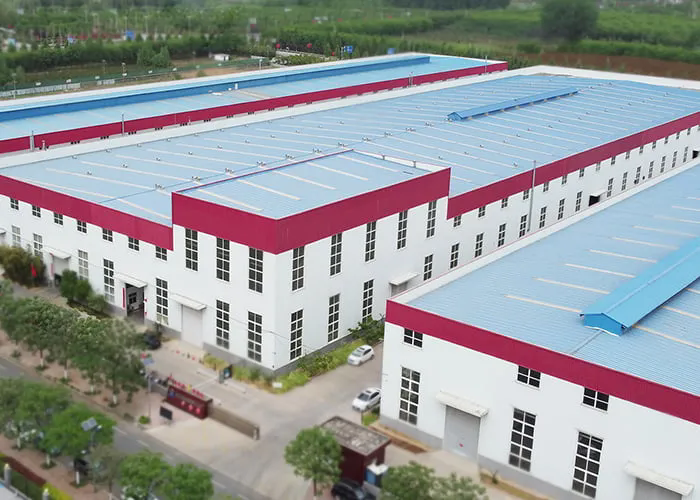
The explosion of online shopping has created new demands for secure, reliable storage solutions across the supply chain. While smart parcel lockers grab headlines, the backbone of package handling in warehouses, distribution centers, and commercial facilities remains industrial-grade steel storage lockers. These durable units provide secure temporary holding for packages, employee belongings, and operational supplies in high-traffic environments. From fulfillment centers processing thousands of orders daily to retail locations managing customer pickups, the need for robust, tamper-resistant storage has never been greater. Steel lockers manufactured by companies like LUOYANG FURNITOPPER offer the durability and security that logistics operators require, with heavy-gauge construction and powder-coated finishes that withstand years of constant use in demanding commercial settings.
How Urban Logistics Challenges Create Demand for Reliable Storage Infrastructure
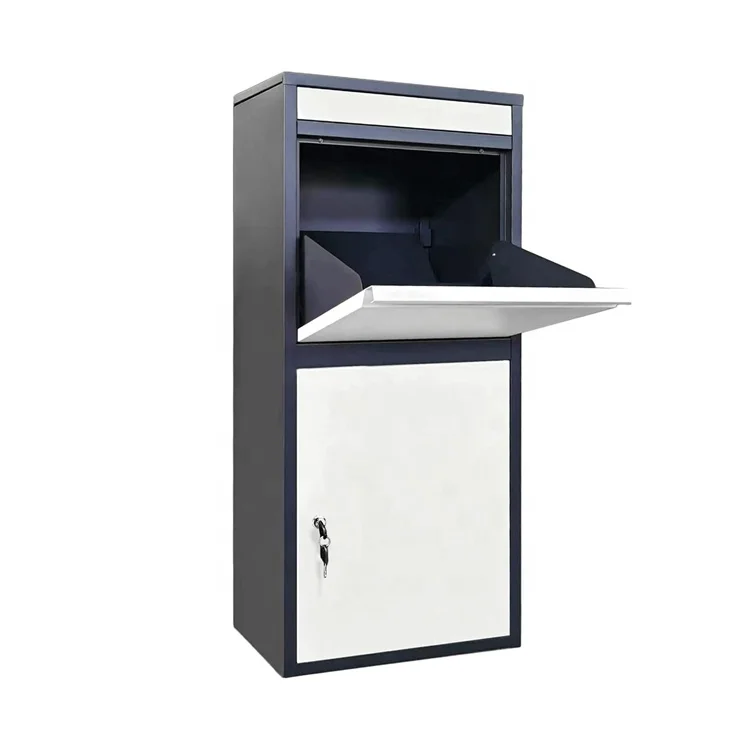
Cities deal with all sorts of logistical headaches that make secure storage infrastructure essential. Think about it: packed streets, multi-family housing with limited space, and the constant flow of packages create real challenges for property managers and delivery companies alike. Deliveries often go wrong too, with packages left in common areas where they can be misplaced or stolen. That's where steel storage lockers come into play. They provide designated, secure compartments that keep packages safe until residents or employees can retrieve them. Plus they solve a big security problem too. Porch pirates steal billions worth of stuff each year right from front doorsteps across America. Installing sturdy steel locker banks in building lobbies, mail rooms, and commercial spaces gives everyone a reliable place to secure packages without worrying about theft. For property managers trying to handle growing package volumes, steel lockers offer practical solutions while keeping tenants satisfied with secure, organized storage.
Case Study: Steel Locker Installations in Residential and Commercial Buildings
Looking at major property developments shows us how well steel locker systems handle the demands of urban package management. In New York City, many new residential towers now include dedicated package rooms equipped with modular steel lockers from manufacturers like Furnitopper. These installations can handle hundreds of parcels daily, with compartments sized for everything from small envelopes to large boxes. Property managers report that package-related complaints drop by over 60% after installing organized steel locker systems. Similarly, commercial office buildings in Chicago have adopted steel locker banks for employee package deliveries, reducing front desk workload by nearly 80% and eliminating the chaos of packages piled in lobbies. When building owners invest in quality steel storage solutions designed for high-volume use, it makes sense why package management problems get solved and tenant satisfaction improves significantly.
Last-Mile Efficiency: How Centralized Storage Supports Delivery Operations
Overcoming Delivery Barriers with Secure Holding Solutions
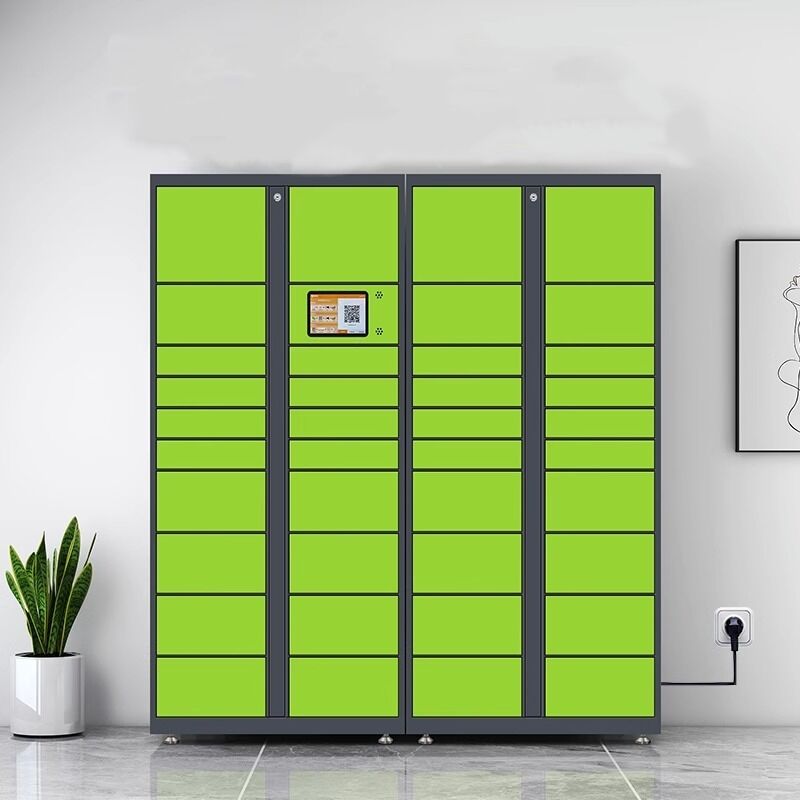
City delivery services are running into all sorts of problems lately. Packages get left in unsafe areas, there's theft from common spaces, and managing missed deliveries is getting pricier day by day. Enter centralized steel locker banks - those secure storage systems where delivery personnel can leave packages and residents can pick them up anytime. Studies show they cut down on missed deliveries by roughly 30 percent. No more drivers circling blocks looking for someone to accept packages means less time wasted and fewer carbon emissions floating around. And property managers love being able to offer 24/7 package access without dedicating staff to manage deliveries. We've seen this work especially well in crowded urban centers like Manhattan or downtown Chicago, where building owners report significant savings on package handling costs and tenants rate their living experience much higher than before.
The Role of Standardized Steel Lockers in Multi-Tenant Buildings
Steel locker systems really start to show their value when they're designed to work across different building types and tenant configurations. When lockers are manufactured with adjustable compartment sizes and modular configurations, they can adapt to the specific needs of each property. Property management studies have found something interesting too: buildings that install professional-grade steel locker systems tend to see resident satisfaction scores jump by around 40 percent over those using makeshift package storage. The main advantage here is providing dedicated, secure space that grows with the building's needs while giving residents peace of mind that their deliveries are protected.
Case Study: Package Management Solutions in High-Density Housing
Major property developers are showing how steel locker systems work well when integrated into residential projects. Take related companies for instance they've incorporated custom steel locker installations into luxury apartment towers throughout the Northeast. These serve as central package rooms which eliminate the chaos of packages piling up in lobbies. What we're seeing from these setups is pretty impressive. Property managers tell us package handling time dropped by as much as 60% in some cases. Residents love being able to grab their stuff anytime day or night without having to coordinate with building staff or worry about theft from common areas.
Consumer Expectations and the Need for Secure Package Storage
E-Commerce Demands: Safety, Convenience, and Reliable Access
Safety, convenience, and being able to get packages securely have become major concerns for shoppers these days. According to a recent property management survey, over 40% of renters consider secure package handling essential when choosing where to live, especially in cities where package theft is most common. Younger residents who order frequently tend to prioritize buildings with dedicated package storage because it gives them confidence their deliveries won't disappear. Having round-the-clock access to packages matters a lot to tenant satisfaction since regular delivery times often don't match up well with work schedules or evening plans.
Adoption Across Residential, Commercial, and Retail Sectors
Cities across North America show how steel lockers are being adopted throughout various property types. Look at residential buildings first where apartments and condos now rely heavily on package locker rooms. Package theft? Not so much anymore thanks to these systems securing deliveries. Shopping centers have also caught onto this trend, installing steel locker banks for employee belongings and customer package pickup. For businesses located in busy downtown areas, steel lockers solve a big headache when it comes to employee storage and package management. Many Class A office buildings report installing dedicated locker rooms for delivery handling, cutting down on lost packages and improving the workplace experience.
Balancing Security Needs with Practical Storage Solutions
Property managers love how convenient steel lockers are, but they also need solutions that balance security with practical operation. Most facilities worry about controlling access, managing different user groups, and ensuring the system holds up to heavy daily use. According to facility management research, over 70% of property managers say they prefer heavy-duty steel lockers with electronic locking options that provide both security and convenience. Leading manufacturers address these needs by offering customizable access control integration, durable construction that withstands years of use, and modular designs that adapt to changing requirements while following relevant building codes and accessibility guidelines.
Market Trends in Steel Storage Solutions for Logistics Applications
Current State of Steel Locker Adoption in North America
North America leads the market for commercial steel storage solutions, with steady demand from property developers, facility managers, and logistics operators. This dominance comes down to the mature commercial real estate sector plus the rapid growth of e-commerce package volumes. The United States and Canada continue to see strong adoption of steel locker systems across multifamily housing, office buildings, and industrial facilities. What sets North America apart is the scale of new construction projects incorporating package storage from the design phase, plus the retrofit market where existing buildings upgrade their package handling capabilities. Steel locker manufacturers like LUOYANG FURNITOPPER serve this demand with heavy-duty products designed for the North American commercial market, meeting rigorous quality and safety standards.
Regulatory and Building Code Factors Shaping Storage Requirements
The commercial real estate market is influenced by building codes and accessibility requirements that affect how storage solutions are designed and installed. These regulations have a real impact on locker dimensions, clearances, and accessibility features. When it comes to new construction, building codes increasingly address package delivery areas, recognizing the need for dedicated storage space in multifamily and commercial properties. Architects and specifiers must consider these requirements when designing package rooms and selecting storage equipment. Speaking of installation considerations, fire codes, ADA accessibility, and ventilation requirements all factor into proper locker placement and specification.
Future Outlook: Storage Needs in Evolving Commercial Spaces
Market research suggests the commercial storage sector will continue expanding as e-commerce grows and properties compete for residents and tenants. We're seeing consistent demand for quality steel locker products thanks to the ongoing need for secure package storage in residential and commercial buildings. The property management industry has been pushing for more integrated solutions lately, so expect to see continued innovation in locker configurations and access control options. Meanwhile manufacturers are getting pretty serious about offering customizable products that fit specific project requirements. Most analysts agree that package storage will remain an essential amenity in multifamily housing and commercial buildings, with property owners investing in quality solutions that enhance the resident and tenant experience. Even though different regions have taken somewhat varied approaches to addressing package management, building occupants will ultimately benefit from better-designed storage regardless of where they live.

LUOYANG FURNITOPPER provides premium steel furniture manufacturing for global B2B buyers. Our ISO 9001/14001/45001-certified factory offers KD lockers, tool cabinets, shelving & dorm furniture with CNC precision, 5S quality control, and one-stop OEM/ODM solutions. Contact us today!
No.8 Yanguang Road, High-Tech District, Luoyang 471000, Henan, China.
Copyright © 2025 by LUOYANG FURNITOPPER IMPORT AND EXPORT TRADING CO., LTD. Privacy Policy

 EN
EN


 Hot News