×
×
Understanding the Storage Challenge and the Role of Steel Lockers in Modern Logistics
The Growing Complexity of Last-Mile Logistics
The last mile delivery part of the supply chain, which connects distribution centers to actual customers, remains both complicated and expensive. Cities struggle with traffic jams, deliveries often get attempted several times before succeeding, and figuring out efficient routes is no easy task. With online shopping growing all the time, delivery companies are under constant pressure to deliver faster while keeping things reliable and maintaining good service standards. They also have to deal with customers who aren't always home when expected, package theft worries, and people wanting updates on where their stuff actually is. Steel storage lockers help tackle many of these problems by providing secure, durable holding points where packages can be temporarily stored before customer pickup, making the whole system run smoother without relying so much on individual doorstep interactions.
Why Traditional Door-to-Door Delivery Is No Longer Sustainable
The old way of delivering packages to homes just isn't working anymore these days, not economically, operationally or for the environment either. When a delivery fails, it typically sets carriers back around $10 to $15 because of all the extra fuel burned, labor spent and wear on vehicles. Plus, those failed attempts clog up city streets and pump out more carbon than anyone wants to see. Most deliveries actually get made on the first try less than 80% of the time, which adds up to massive inefficiencies when trying to scale regular door-to-door service across whole neighborhoods. That's where centralized storage solutions come into play as something different altogether. They change things from the current system where each delivery has to happen at specific times for individuals, to a setup where packages are held securely in weather-resistant steel enclosures that people can access whenever they want. This approach cuts down on wasted resources and makes everything run smoother overall.
Rising Customer Expectations and Failed Delivery Rates
These days, people really care about being able to choose when and how they get their stuff delivered. About three quarters of shoppers say their whole buying decision hinges on how smooth the delivery process is. Delivery failures are still a big problem though, particularly in cities where things like locked building entrances and scarce parking spots make it tough for couriers to actually hand over packages. Roughly between fifteen and twenty percent of all packages end up needing more than one try to deliver, which drives customers crazy and eats into company profits. That's where secure steel lockers come in handy. They solve this issue by providing a safe, reliable holding point where packages can be deposited once and retrieved later by recipients at their convenience, without worrying about someone showing up at inconvenient moments.
The Economic Pressure: Last-Mile Costs Accounting for 28% of Supply Chain Expenses
The final leg of delivery eats up around 28% of all supply chain costs, which makes it the most expensive part of getting products to customers. Why so costly? Well, it boils down to several factors including high labor demands, gas consumption, regular vehicle upkeep, plus those frustrating situations where deliveries have to happen multiple times. A major logistics study found that implementing centralized secure locker systems could actually bring down individual delivery expenses by as much as 40%. These savings come mainly from better routing efficiency and drastically reducing the need for second or third delivery tries. For businesses looking to grow without breaking the bank, durable storage solutions aren't just nice to have anymore they're becoming essential for managing costs effectively across expanding operations.
How Steel Storage Lockers Improve Delivery Efficiency and Reduce Operational Costs
Streamlining Routes with Centralized Locker Installations
Secure steel locker banks that are centrally located help get rid of those scattered delivery points where couriers only drop off one or two packages. Instead, drivers can leave multiple packages at these consolidated spots. The result? Less driving around town, less gas burned, and fewer hours spent behind the wheel. Plus, couriers manage to complete more deliveries during their shifts. The USPS Office of Inspector General found something pretty impressive too these systems cut down on last mile delivery expenses by about half in some cases. That makes sense when thinking about how much time and money gets wasted trying to reach every single address individually throughout the day.
Case Study: Major Carrier Reduces Delivery Attempts by 30%
A national parcel carrier's automated locker network achieved a 30% reduction in delivery attempts by replacing repeated visits to missed addresses with one-time deposits at centralized steel locker banks. Drivers completed more successful handoffs per route, reducing idle time and fuel waste—yielding measurable gains in throughput, labor productivity, and environmental impact.
Lowering Per-Delivery Costs: Evidence from Locker Deployment
A prominent European logistics operator reported per-delivery cost reductions of up to 50% versus traditional methods. This efficiency stems from eliminating redelivery cycles, serving multiple recipients per stop, and cutting customer service overhead—since secure, reliable storage resolves most "missed delivery" inquiries before they escalate.
Optimizing Fleet Utilization and Reducing Failed Deliveries
Secure steel lockers are changing how delivery fleets operate. Couriers can get through more stops each hour since packages don't need constant attention anymore. Delivery trucks aren't stuck waiting around or driving circles looking for someone home either. And those pesky failed deliveries that used to throw everything off track? They basically disappear with secure locker systems in place. The sturdy steel enclosures keep packages safe until customers come to pick them up, which means better scheduling for everyone involved. Companies save money too because they don't have to waste resources on chasing down missed deliveries or coordinating second attempts manually anymore.
Enhancing Security and Preventing Package Theft with Durable Steel Lockers
The Rise of Porch Piracy and Consumer Demand for Secure Delivery
The rise of online shopping has brought about a nasty problem called porch piracy. According to Security.org from last year, around 260 million packages get stolen each year just in America. People aren't looking at home security the same way anymore. What used to be something extra is becoming essential these days. Most folks want their packages delivered safely without any issues. That's where those heavy-duty steel lockers come in handy. They're built to withstand tampering and resist weather exposure. Plus they provide a secure chain of custody so customers can actually trust that their package will be there when they arrive to collect it.
How Steel Lockers Enable Secure, Contactless Pickup
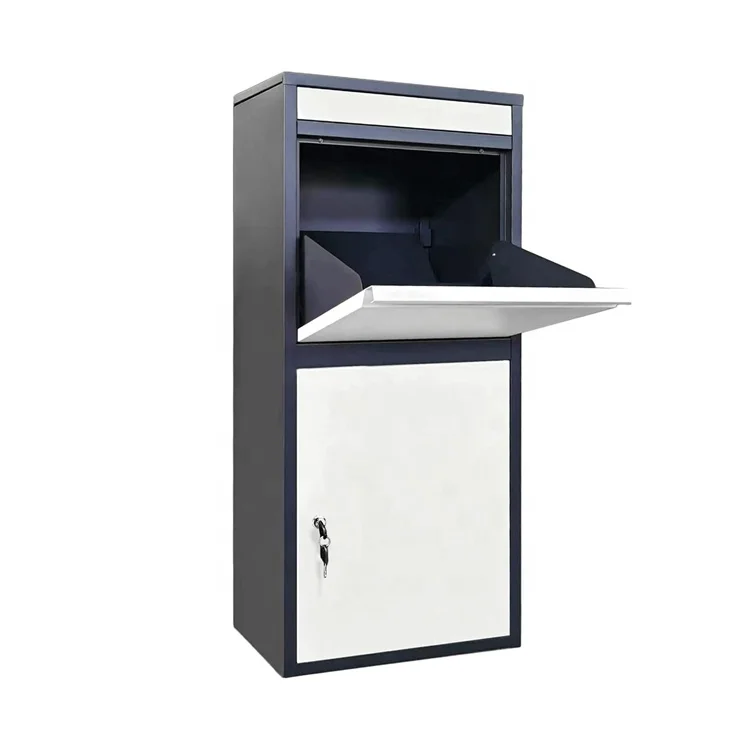
Sturdy steel outdoor lockers offer several layers of protection including reinforced door hinges, tamper-resistant locking mechanisms, weather-sealed enclosures, plus visible indicators if anyone has tried to force entry. People can pick up their stuff without touching anything else first these days just walk up, enter their code, and grab what they need. No need for physical signatures anymore, nobody waits around for delivery personnel, and packages stay protected from weather and theft until collection. According to Logistics Quarterly from last year, this setup cuts down on lost packages by about two thirds compared to old school doorstep drop-offs. The result? Better protection against theft and far fewer problems with deliveries going missing or getting damaged during transfers.
Case Study: Major Retailer Achieves 90% Fewer Theft Claims with Secure Lockers
One major online retailer rolled out those secure steel pickup lockers in areas where packages tend to disappear all the time, and guess what? Their reports about stolen goods plummeted around 90% just half a year later. These lockers provide documented access logs showing exactly when compartments were opened, so there's actual evidence if someone claims their package vanished. No more arguments over missing deliveries because everyone can see the records now. And financially speaking, this change saved them roughly seven hundred forty thousand dollars each year by not having to pay out for lost items or deal with fraudulent claims according to research published by Ponemon back in 2023.
Strategic Deployment in High-Risk Urban and Residential Areas
Optimal locker placement follows data-driven risk modeling—prioritizing multi-family residences, transit-adjacent zones, and neighborhoods with documented theft patterns. Units feature reinforced steel construction, weather-resistant powder coating, and tamper-proof locking systems, ensuring durability and security without compromising accessibility.
Reducing Environmental Impact Through Consolidated Delivery Networks
Last-Mile Delivery's Role in Urban Traffic and Carbon Emissions
The last mile of delivery is really causing a lot of traffic jams and local air quality issues in cities. Studies show it accounts for around 30% of all carbon emissions from online shopping packages according to Accenture research from last year. Old school delivery methods just make things worse because they involve so many extra trips, bad route planning, and trucks sitting empty most of the time. That's where centralized secure lockers come into play as a real game changer. These lockers help combine multiple deliveries at once which cuts down on how far vehicles need to travel overall and naturally reduces those harmful emissions along with it.
How Centralized Pickup Lowers Vehicle Miles Traveled
By aggregating deliveries to single locations, secure locker networks reduce per-package VMT by up to 70%. A logistics study published by ParcelHive found locker-based delivery lowers greenhouse gas emissions by approximately 30% versus conventional home delivery—making them a high-impact lever for decarbonizing urban logistics.
Case Study: National Postal Operator Reduces Local Traffic Congestion by 15%
France's national postal service installed secure steel locker banks in high-density urban areas and achieved a 15% reduction in local traffic congestion within the first year. The program eliminated over 20,000 unnecessary delivery trips monthly—without sacrificing delivery speed—providing a replicable blueprint for balancing service performance with environmental responsibility.
Sustainability as a Driver for Urban Infrastructure Integration
City planners are starting to see secure locker networks not just as convenience features but as core parts of modern urban infrastructure. These systems help tackle traffic problems, cut down on pollution, and make streets more pedestrian friendly. Many municipalities have already installed these lockers in busy areas where delivery trucks used to clog up sidewalks all day long. The lockers themselves are constructed from recyclable steel with durable powder-coated finishes that last for decades with minimal maintenance. This makes them good for the environment right away while also being worth the money over years of use. Urban developers view these installations as practical solutions today that will continue paying off as cities work toward greener futures with less reliance on carbon based transportation methods.
Expanding Access: Steel Lockers in Rural and Underserved Areas
Bridging the Logistics Gap in Remote Communities
For many rural areas and places without good services, the combination of being far from everywhere else plus not having enough people makes regular doorstep deliveries just not worth it for companies financially. This often means folks get poor service when they do get anything at all, pay way more than others, and basically get left out of online shopping altogether. That's where secure steel lockers come in handy. These durable enclosures let delivery companies gather packages together at spots that are easy for people to reach instead of making drivers go house to house. Less driving around saves money and time, helps keep deliveries coming regularly rather than sporadically, and brings online shopping options to communities that have been stuck on the outside looking in because of how our delivery networks work.
Weather-Resistant Steel Lockers for Remote Locations
Heavy-duty steel lockers that can be installed in rural areas don't require permanent buildings or connection to the electricity grid. These rugged systems work great in areas where traditional delivery options don't reach. They help push service equity goals forward too. People living far from city centers now get packages safely stored without having to travel long distances just to pick them up. The convenience factor is huge for rural communities who previously struggled with missed deliveries or damaged goods sitting outside their homes for days.
Case Study: Rural Pilot Program in Northern Ontario
In Northern Ontario, a national postal operator rolled out secure steel lockers across several small communities where people used to drive well over 50 km just to pick up their packages at faraway depots. These new lockers cut down on missed deliveries by around 40 percent and brought down what it costs to deliver each package by roughly 35 bucks. People living there are really happy with being able to grab their stuff anytime day or night without all that driving back and forth. The results show durable steel locker systems work wonders for getting things delivered efficiently while also making life easier for folks who live in remote areas but still need reliable service like everyone else.

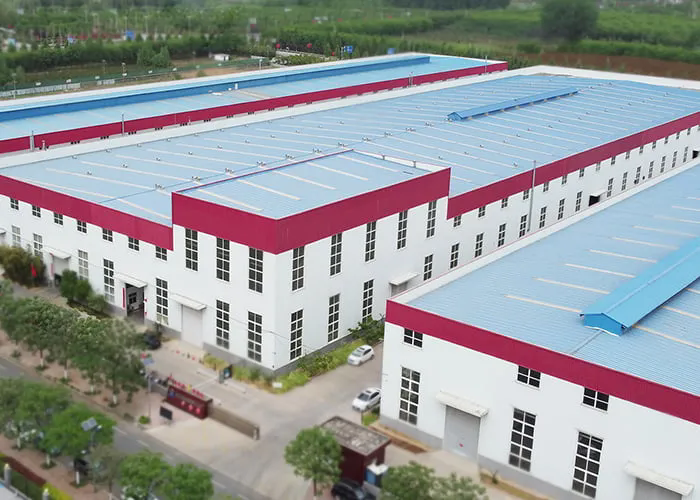
LUOYANG FURNITOPPER provides premium steel furniture manufacturing for global B2B buyers. Our ISO 9001/14001/45001-certified factory offers KD lockers, tool cabinets, shelving & dorm furniture with CNC precision, 5S quality control, and one-stop OEM/ODM solutions. Contact us today!
No.8 Yanguang Road, High-Tech District, Luoyang 471000, Henan, China.
Copyright © 2025 by LUOYANG FURNITOPPER IMPORT AND EXPORT TRADING CO., LTD. Privacy Policy

 EN
EN


 Hot News